
iPhone

Compare models
Differences at a glance
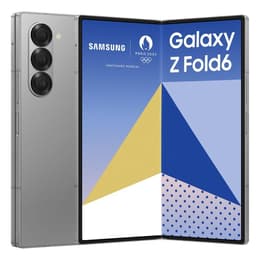
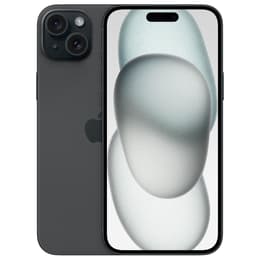
The Samsung Galaxy Z Fold6, released in July 2024, and the Apple iPhone 15 Plus, launched in September 2023, represent distinct approaches to modern smartphone design. The Z Fold6 offers a unique foldable form factor that transforms from a traditional smartphone into a larger tablet-like display, running on Android. In contrast, the iPhone 15 Plus maintains a conventional slab design with a large, singular display, powered by Apple's iOS. These devices cater to different user preferences, primarily distinguished by their operating systems and innovative versus traditional screen technologies.
Colour
Storage
When considering the long-term usability of these devices, both offer robust software support and physical resilience, though their designs present different considerations.
Year of Release
Compatible with latest Update
OS
Foldable
Both devices deliver high-level performance suitable for demanding applications and multitasking, though they achieve this through different hardware and software optimizations.
The display experience is a primary differentiator, with the Galaxy Z Fold6 offering versatility through its dual-screen setup, while the iPhone 15 Plus provides a singular, high-quality traditional display.
Resolution
Screen type
Both smartphones offer advanced camera systems capable of capturing high-quality photos and videos, though they differ in their specific configurations and features.
Main camera
Front camera
Beyond core features, several practical elements contribute to the overall user experience and differentiate these two devices.
Weight
Screen size (in)
Network
SIM card
Carrier compatibility
The choice between the Samsung Galaxy Z Fold6 and the iPhone 15 Plus largely depends on individual priorities regarding form factor, operating system, and specific feature sets. Users often praise the Galaxy Z Fold6 for its innovative foldable design, which offers a versatile large screen for productivity and media consumption, effectively combining a phone and a small tablet into one device. Its adaptive 120Hz displays and advanced multitasking capabilities are frequently highlighted as significant advantages. However, some users express concerns about the long-term durability of foldable screens and the hinge mechanism, as well as the device's overall bulk and weight compared to traditional smartphones.
Conversely, the iPhone 15 Plus is widely lauded for its exceptional battery life, consistent performance, and the reliability of the iOS ecosystem. Its camera system is highly regarded for its ease of use and quality, and the device's overall durability with its IP68 rating and Ceramic Shield front is a strong point for many. Criticisms sometimes point to its 60Hz display refresh rate, which is lower than many Android counterparts, and the lack of a dedicated telephoto lens compared to some premium devices.
Users prioritizing a large, adaptable screen for productivity, advanced multitasking, and the Android ecosystem may find the Galaxy Z Fold6 well-suited to their needs. Those who value a consistently long battery life, a robust and intuitive operating system, and a highly capable camera in a traditional smartphone form factor will likely lean towards the iPhone 15 Plus. Both devices represent premium offerings in their respective categories, and for those seeking a more sustainable choice, quality-assured refurbished options for both models are available, providing an eco-friendly alternative.