

iPhone 16 Pro Max Vs iPhone 17

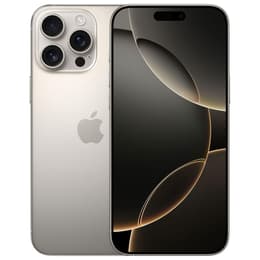
iPhone 16 Pro Max
iPhone 16 Pro Max
Starting at

Refurbished price:821.00

Versus €1,489.00 new

See options
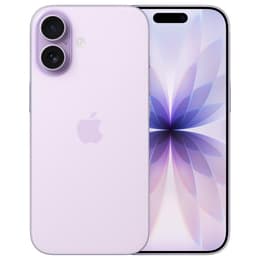
iPhone 17
iPhone 17
Starting at

Refurbished price:704.00

Versus €979.00 new

See options

Ratings

The iPhone 16 Pro Max, released in late 2024, represented Apple's top-tier offering for its generation, featuring advanced capabilities and a premium build. The iPhone 17, expected in late 2026, is the subsequent generation's standard model, bringing a newer processor and general enhancements. While the iPhone 16 Pro Max emphasizes professional-grade features, the iPhone 17 focuses on delivering a refined experience with the latest core technology, often incorporating advancements that were previously exclusive to Pro models.

Scores

Durability

When considering the practical lifespan of these devices, several factors come into play, including software support, physical durability, and ease of repair.

  • Release Timeline: The iPhone 16 Pro Max was released in September 2024 and discontinued in September 2025, making it a year older than the iPhone 17, which is expected in September 2026. [25, 6]
  • Software Longevity: Apple typically provides major iOS updates for approximately five to seven years from a device's release. [2, 5, 14, 16] The iPhone 16 Pro Max, launching with iOS 18 and supporting iOS 26, is expected to receive updates until around 2036. [25, 16] The iPhone 17, launching with iOS 20, is anticipated to receive software support until approximately 2037, offering a slightly longer update window due to its newer release. [6, 12, 16]
  • Repairability: The iPhone 16 series, including the Pro Max, received a repairability score of 7 out of 10 from iFixit, a significant improvement over previous generations. [9, 13] This indicates easier access for common repairs like battery swaps. The iPhone 17 is expected to maintain or further improve upon this design philosophy, contributing to a longer practical lifespan through easier maintenance.

Year of Release

2024

2025

Compatible with latest Update

Yes

Yes

Foldable

No

No

Performance

Performance is a key differentiator, with both models offering robust capabilities, though the generational gap and 'Pro' designation influence their respective strengths.

  • Processor Capabilities: The iPhone 16 Pro Max is powered by the A18 Pro chip, designed for demanding tasks and advanced AI features. [24, 25] The iPhone 17 is expected to feature the A19 chip, a next-generation processor that offers enhanced efficiency and performance, particularly optimized for Apple Intelligence and AI models. [6, 22] While the A19 in the base iPhone 17 is newer, the A18 Pro in the 16 Pro Max was a high-end chip for its time, meaning both devices handle demanding applications and multitasking smoothly.
  • Multitasking and Responsiveness: Both devices are engineered for fluid user experiences. The iPhone 16 Pro Max, with its Pro-level chip, provides ample power for heavy multitasking and graphically intensive gaming. The iPhone 17's newer chip is likely to offer improved thermal management and efficiency, potentially leading to more sustained performance during extended use. [6, 26]
  • Storage Options: The iPhone 16 Pro Max offered storage options starting from 128GB, with higher tiers available. [25] The iPhone 17 (base model) is expected to offer a starting storage of 256GB, providing more base storage for users. [22, 40]

Memory (GB)

8 GB

8 GB

Screen quality

The visual experience on both devices is designed to be immersive, with notable advancements in display technology across generations.

  • Display Technology and Clarity: The iPhone 16 Pro Max features a 6.9-inch Super Retina XDR OLED display, known for its deep blacks, vibrant colors, and high resolution. [25, 34] The iPhone 17 is expected to feature a 6.3-inch LTPO Super Retina XDR OLED panel. [7, 40] Both utilize OLED technology, which allows for individual pixel illumination, resulting in excellent contrast ratios. [3, 4, 10]
  • Refresh Rate and Smoothness: The iPhone 16 Pro Max includes ProMotion technology, offering an adaptive refresh rate up to 120Hz for smoother scrolling and more fluid animations. [24, 34] A significant upgrade for the base model, the iPhone 17 is also expected to feature a 120Hz ProMotion adaptive refresh rate, making the viewing experience smoother across all models in its series. [6, 7, 40]
  • Brightness Levels: The iPhone 16 Pro Max offers high peak brightness, reaching up to 2000 nits outdoors, ensuring good visibility in various lighting conditions. [7] The iPhone 17 series is also expected to deliver high brightness, with some reports suggesting up to 3000 nits peak brightness, enhancing outdoor visibility and HDR content viewing. [7]

Resolution

1320 x 2868

2622x1206

Screen type

LTPO Super Retina XDR OLED

Super Retina XDR

Audiovisual

Both iPhones offer capable camera systems, but the 'Pro Max' designation of the iPhone 16 Pro Max historically implies more advanced photographic and videographic tools.

  • Camera System Configuration: The iPhone 16 Pro Max features a triple-lens rear camera system, including a 48MP Fusion wide camera, a 48MP Ultra Wide lens, and a 5x Telephoto lens, along with a LiDAR scanner. [24, 25, 34] The iPhone 17 (base model) is expected to come with a dual-lens camera system, featuring two 48-megapixel lenses, typically a main wide and an ultra-wide, but without a dedicated telephoto lens. [6, 20, 40]
  • Photography and Video Capabilities: The 16 Pro Max excels in versatility with its telephoto lens for optical zoom and advanced features like 4K120 fps video recording in Dolby Vision. [34] The iPhone 17's dual 48MP cameras are expected to deliver excellent everyday photography, with the main camera capable of 4K 60fps video recording. [20, 40] Users prioritizing optical zoom and advanced video features may find the 16 Pro Max more suitable.
  • Audio Experience: The iPhone 16 Pro Max includes studio-quality microphones, enhancing audio capture for videos and calls. [34, 36] While the iPhone 17 will offer clear microphone quality, the Pro Max model often includes specific enhancements for professional audio recording.

Main camera

48 megapixels

48 megapixels

Front camera

12 megapixels

18 megapixels

Miscellaneous

Beyond core performance, practical elements like connectivity, physical design, and security features contribute to the overall user experience.

  • Connectivity and Ports: The iPhone 16 Pro Max supports Wi-Fi 7 and features a USB-C 3.1 port, offering faster data transfer speeds. [24, 25, 35] The iPhone 17 is expected to include an Apple-designed N1 networking chip for enhanced connectivity and features a USB-C port, though it may operate at USB 2.0 speeds for data transfer on the base model. [6, 40] Both models support 5G connectivity. [8]
  • Build Materials and Handling: The iPhone 16 Pro Max utilizes a titanium frame, contributing to a lighter yet durable build, along with Ceramic Shield front protection. [19, 24, 36] The iPhone 17 (base model) is expected to feature a regular aluminum body with Ceramic Shield 2 on the front, offering enhanced scratch resistance. [7, 40] The 16 Pro Max is a larger device at 6.9 inches, while the 17 is expected to have a 6.3-inch screen, impacting one-handed use and pocketability. [25, 40]
  • Security and Sensors: Both devices rely on Face ID for secure facial recognition. The iPhone 16 Pro Max also features an Action Button for customizable shortcuts. [36] The iPhone 17 is also expected to include an Action Button. [6]

Weight

227 g

177 g

Screen size (in)

6.9

6.3

Network

5G

5G

SIM card

Physical SIM + eSIM

eSIM

Carrier compatibility

Unlocked

Unlocked

Connector

USB-C (USB 3)

USB-C

The iPhone 16 Pro Max and iPhone 17 cater to slightly different user priorities, reflecting the distinction between a previous generation's high-end model and a current generation's standard offering. Users often praise the iPhone 16 Pro Max for its comprehensive camera system, including a telephoto lens and advanced video capabilities, as well as its premium titanium build and larger display. Its robust performance, driven by the A18 Pro chip, is frequently highlighted for handling demanding applications and multitasking with ease. Some users, however, might find its larger size less convenient for one-handed use.

The iPhone 17, as a newer base model, is generally lauded for bringing significant generational improvements to the standard lineup, such as a newer, more efficient processor and the inclusion of a 120Hz ProMotion display, which was previously a Pro-exclusive feature. Its enhanced battery efficiency and improved durability with Ceramic Shield 2 are also common points of positive feedback. Criticisms for the base iPhone 17 often revolve around the absence of a dedicated telephoto lens and potentially slower USB-C data transfer speeds compared to Pro models.

Users prioritizing a versatile, professional-grade camera system, a larger display, and a premium build with faster data transfer speeds may find the iPhone 16 Pro Max well-suited to their needs. Conversely, users who value the latest core performance, a smoother display experience on a standard model, and a slightly longer software support window, without the need for a telephoto camera, may lean toward the iPhone 17. Both devices offer a quality-assured experience, and considering a refurbished option for either model can be an eco-friendly alternative for those seeking a sustainable choice.


See all articles

Our recent comparisons