

Compare models
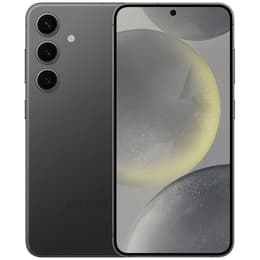
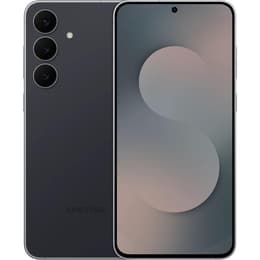
Galaxy S24 Vs Galaxy S25 FE
- 1-year minimum warranty
- Free delivery on all orders
- Free 30-day returns
Differences at a glance
The Samsung Galaxy S24 (2024) and the Samsung Galaxy S25 FE (2025) are modern Android smartphones designed to deliver high-end core capabilities in distinct physical formats. While both models run on the Android operating system and feature Samsung's user interface, they differ significantly in physical footprint and release generation. Choosing between them largely depends on whether you prefer a compact device or a larger viewing canvas for everyday tasks.
Available Models
Colour
Storage
Scores
Durability
When evaluating hardware longevity and software support, both devices provide extended manufacturer backing, though their release timelines place them in different generations of update cycles.
- Software Support Duration: Both models benefit from long-term operating system updates, with the newer release extending software viability slightly further into the future.
- Repairability and Build: Both smartphones utilize durable glass and metal structures, featuring standard ingress protection ratings against dust and water splashes.
- Expected Lifespan: Practical usability remains high for several years, though opting for a quality-assured refurbished option provides a sustainable choice that extends the active lifecycle of these electronics.
Year of Release
2024
2025
Compatible with latest Update
Yes
Yes
OS
Android
Android
Foldable
No
No
Performance
Underneath the surface, these smartphones handle everyday applications, demanding games, and heavy multitasking smoothly thanks to modern internal hardware and generous RAM capacities.
- System Responsiveness: Apps open instantly, and switching between multiple open programs occurs without noticeable stutter or lag.
- Battery Behavior: The larger model incorporates a higher-capacity battery designed to easily sustain extended usage periods, while the more compact device requires slightly more frequent charging during heavy work days.
- Storage Configurations: Both devices offer multiple internal storage tiers to accommodate large photo libraries, downloaded media, and offline documents.
Screen quality
Display technology differs primarily in physical dimensions and screen real estate, while maintaining sharp resolutions and vibrant color output across both handsets.
- Display Technology: Both devices utilize vibrant OLED panels that deliver deep black levels, high contrast ratios, and crisp text clarity.
- Outdoor Visibility: High peak brightness levels ensure the screens remain easily legible under direct sunlight or bright outdoor environments.
- Refresh Rate: A smooth refresh rate ensures fluid scrolling through web pages, social media feeds, and user interface menus.
Audiovisual
The photographic hardware on both smartphones handles everyday memories, low-light environments, and high-definition video recording with reliable consistency.
- Camera Systems: Both models feature versatile multi-lens configurations including main, ultra-wide, and telephoto or depth sensors for varied framing options.
- Video and Audio: High-resolution video capture features steady stabilization, complemented by clear microphone arrays suitable for voice calls and media recording.
- Media Consumption: Integrated stereo speakers deliver clear audio output for hands-free calls, casual video viewing, and gaming sessions.
Miscellaneous
Practical daily usability is shaped by physical handling, connectivity standards, and biometric security features built into each chassis.
- Handling and Dimensions: The compact model offers effortless one-handed operation and lightweight pocketability, whereas the larger alternative provides a roomier layout for typing and viewing.
- Connectivity and Ports: Both devices support fast mobile networks, modern wireless standards, and reversible charging ports for universal compatibility.
- Biometric Security: Secure and rapid unlocking is achieved through responsive in-display fingerprint sensors and facial recognition capabilities.
Weight
167 g
190 g
Screen size (in)
6.2
6.7
Network
5G
5G
SIM card
Dual Physical SIM + eSIM
Physical SIM + eSIM
Carrier compatibility
Unlocked
Unlocked
Connector
USB-C
USB-C
What the community thinks
Online community discussions indicate that users appreciate both devices for their reliable daily performance, bright displays, and versatile camera systems. Common points of discussion often revolve around physical size preferences, with many community members noting that compact designs are easier to manage with one hand, while larger screens improve media consumption.
Users prioritizing a pocket-friendly, highly compact form factor may prefer the Galaxy S24, while users prioritizing expansive screen space and extended battery endurance will lean toward the Galaxy S25 FE. Selecting between them depends entirely on your daily handling preferences and how you interact with your mobile device.