

Compare models
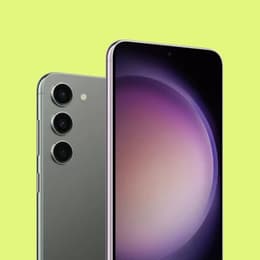
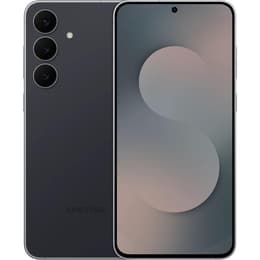
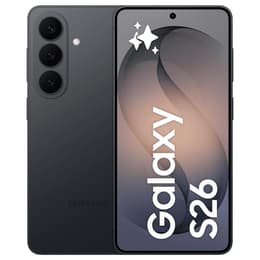
Galaxy S25 FE Vs Galaxy S26
- 1-year minimum warranty
- Free delivery on all orders
- Free 30-day returns
Differences at a glance
The Samsung Galaxy S25 FE (2025) and the Samsung Galaxy S26 (2026) represent different tiers within Samsung's smartphone lineup, balancing screen proportions, internal hardware capabilities, and release timelines. While both run on Android with Samsung's customized interface, the Galaxy S26 arrives as a main flagship generation with compact dimensions, whereas the Galaxy S25 FE focuses on a larger format experience. Choosing between these two devices involves weighing practical differences in physical handling, visual workspace, and overall system responsiveness.
Available Models
Colour
Storage
Scores
Durability
Both models feature modern build standards and extended software update commitments, though their release schedules introduce minor differences in long-term support timelines.
- Software Support Window: The Galaxy S26 benefits from a slightly later release date, providing an extended software update lifecycle compared to its counterpart.
- Repairability and Build: Both devices utilize durable glass and metal structures that score comparably regarding standard repair accessibility and structural resilience.
- Expected Longevity: Both handsets maintain sufficient hardware capability to sustain daily functionality smoothly over several years of regular usage.
Year of Release
2025
2026
Compatible with latest Update
Yes
Yes
OS
Android
Android
Foldable
No
No
Performance
System responsiveness varies across these models due to differences in internal hardware generations and memory allocations designed for distinct multitasking profiles.
- Multitasking and Memory: The Galaxy S26 provides higher baseline random access memory configurations, supporting smoother handling when multiple demanding applications run concurrently.
- App Loading and Gaming: The Galaxy S26 utilizes a more current processor generation, resulting in faster app launch times and improved thermal efficiency during extended gaming sessions.
- Battery Behavior: Battery endurance handles full-day usage patterns under moderate conditions on both models, though intensive tasks drain the smaller core flagship slightly quicker than the larger variant.
Screen quality
Display characteristics differ significantly in physical scale and layout, catering to distinct visual preferences for media consumption and daily navigation.
- Panel Technology: Both devices incorporate vibrant AMOLED display technology, delivering deep contrast levels and crisp text clarity for reading and video playback.
- Size and Workspace: The Galaxy S25 FE provides a more expansive screen real estate suited for split-window multitasking, while the Galaxy S26 offers a compact footprint that remains comfortable for single-handed navigation.
- Outdoor Visibility: High peak brightness capabilities on both panels ensure screen content stays legible under direct daylight conditions.
Audiovisual
Imaging hardware and audio output deliver reliable results across both models, though processing refinements vary between generations.
- Photography Performance: Both devices capture detailed everyday images and handle low-light environments effectively through automated scene optimization and stabilization features.
- Video Recording: The Galaxy S26 features updated stabilization algorithms that produce smoother video capture during movement.
- Media Audio: Stereo speaker setups on both models offer clear sound output for casual media viewing and hands-free calls.
Miscellaneous
Physical dimensions and connectivity standards define the everyday handling and ecosystem integration of each smartphone.
- Dimensions and Weight: The Galaxy S26 features a slimmer, lighter profile that fits easily into pockets, whereas the Galaxy S25 FE offers a heavier, wider chassis to accommodate its larger screen.
- Connectivity: Both models support current 5G networks, rapid Wi-Fi standards, and secure biometric authentication via under-display sensors and facial recognition.
- Ports: Each device relies on a standard reversible USB-C port for charging and data transfer.
Weight
190 g
167 g
Screen size (in)
6.7
6.3
Network
5G
5G
SIM card
Physical SIM + eSIM
Dual Physical SIM + eSIM
Carrier compatibility
Unlocked
Unlocked
Connector
USB-C
USB-C
What the community thinks
User feedback for both smartphones highlights reliable daily performance, high-resolution displays, and versatile camera systems, though some users note that demanding applications can generate noticeable warmth during extended use. Users prioritizing a compact, easily managed handset for single-handed use will find the Galaxy S26 well-suited to their daily routine. Conversely, users who prefer a larger visual workspace for media consumption and multitasking may lean toward the Galaxy S25 FE. When evaluating these options, exploring a quality-assured refurbished option through Back Market can also provide a sustainable choice that aligns with eco-friendly purchasing goals.