
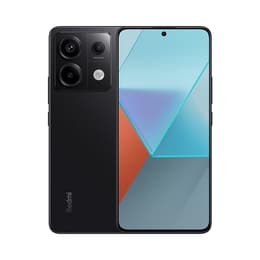


Google Pixel 8 Vs Xiaomi Redmi Note 13 Pro

Google Pixel 8
Google Pixel 8
Starting at

Refurbished price:235.00

Versus €999.00 new

See options
Xiaomi Redmi Note 13 Pro
Starting at

Refurbished price:179.00

Versus €349.00 new

See options

Ratings

The Google Pixel 8, released in October 2023, and the Xiaomi Redmi Note 13 Pro, with its global release in January 2024, are both contemporary smartphones offering distinct user experiences. While the Pixel 8 emphasizes a streamlined Android interface and advanced computational photography, the Redmi Note 13 Pro focuses on a high-resolution camera sensor and rapid charging capabilities. Both devices run on the Android operating system, but with different software overlays and update policies.

Scores

Durability

When considering the long-term usability of these devices, their release timelines and software support are key factors. The Google Pixel 8 and the Xiaomi Redmi Note 13 Pro offer different commitments to software longevity and repairability.

  • Software Support: The Google Pixel 8 stands out with a commitment to seven years of OS upgrades, security updates, and Feature Drops, extending its support until at least October 2030. This is a significant commitment compared to many other smartphones. The Xiaomi Redmi Note 13 Pro, on the other hand, is expected to receive three major Android OS updates and four years of security updates, with support extending until January 2028.
  • Repairability: The Google Pixel 8 has received repairability scores around 7 out of 10, indicating that self-repairs are possible for those with some experience, particularly for screen replacement and parts availability. The Redmi Note 13 Pro 5G has an excellent repairability index score of 8.2 out of 10, suggesting good ease of disassembly and availability of spare parts.
  • Practical Lifespan: The Pixel 8's extended software support suggests a longer practical lifespan for users who prioritize up-to-date features and security. The Redmi Note 13 Pro offers a solid, though shorter, support window, making it a viable option for several years of use.

Year of Release

2023

2023

Compatible with latest Update

Yes

Yes

OS

Android

Android

Foldable

No

No

Performance

The performance of a smartphone is crucial for daily tasks, app usage, and multitasking. Both the Google Pixel 8 and the Xiaomi Redmi Note 13 Pro are designed to handle modern applications, but they approach performance with different underlying hardware and optimizations.

  • Processor Capabilities: The Google Pixel 8 is powered by an advanced processor designed by Google, which focuses on efficient performance and integrates artificial intelligence capabilities for tasks like image processing and voice recognition. This results in smooth app loading and responsive multitasking. The Xiaomi Redmi Note 13 Pro features a capable processor that handles everyday applications and casual gaming effectively, providing a generally smooth user experience.
  • System Responsiveness: Users of the Pixel 8 often report a snappy and fluid interface, with applications opening quickly and transitions feeling seamless. The Redmi Note 13 Pro also offers a responsive experience, with users noting its quick fingerprint sensor and smooth UI navigation.
  • Battery Behavior: The Pixel 8 is equipped with a 4575 mAh battery, which users generally find to provide a full day of use, though heavy usage may require more frequent charging. The Redmi Note 13 Pro has a larger 5000 mAh battery, and users report it can last a full day with casual use, though continuous heavy use might see it drain faster.

Memory (GB)

8 GB

8 GB

Screen quality

The display is a primary interface for any smartphone, and both devices offer vibrant and clear viewing experiences, though with some distinctions in their underlying technology and characteristics.

  • Display Technology and Resolution: The Google Pixel 8 features a 6.2-inch OLED display with a resolution of 2400 x 1080 pixels, offering deep blacks and vibrant colors. The Xiaomi Redmi Note 13 Pro comes with a slightly larger 6.67-inch AMOLED display, providing a resolution of 2712 x 1220 pixels, which also delivers rich colors and good contrast.
  • Brightness and Refresh Rate: The Pixel 8's display can reach a peak brightness of up to 2000 nits, ensuring good visibility even in bright outdoor conditions, and features a variable refresh rate of 60-120Hz for smooth scrolling and animations. The Redmi Note 13 Pro offers a peak brightness of up to 1800 nits and also supports a 120Hz refresh rate, contributing to a fluid visual experience.
  • Viewing Experience: Both phones provide a clear and immersive viewing experience for media consumption and daily use. The Pixel 8's slightly smaller size might appeal to users preferring a more compact device, while the Redmi Note 13 Pro's larger screen offers more expansive real estate for content.

Resolution

1080 x 2400

1220 x 2712

Screen type

OLED

AMOLED

Audiovisual

Camera capabilities are a significant consideration for many smartphone users, and both the Google Pixel 8 and the Xiaomi Redmi Note 13 Pro offer advanced photographic features, albeit with different sensor configurations and processing philosophies.

  • Camera System: The Google Pixel 8 features a dual-camera setup with a 50-megapixel main sensor and a 12-megapixel ultrawide lens, known for its computational photography prowess that enhances image quality across various conditions. The Xiaomi Redmi Note 13 Pro boasts a high-resolution 200-megapixel main camera, complemented by an 8-megapixel ultrawide and a 2-megapixel macro lens, aiming for detailed captures.
  • Photography Performance: The Pixel 8 is praised for its consistent image quality, particularly in low-light conditions, and its ability to produce natural-looking photos with accurate colors. The Redmi Note 13 Pro's 200-megapixel sensor can capture highly detailed images, and users note its vibrant saturation, though some suggest the software processing can be a factor in the final output.
  • Video and Audio: Both devices are capable of recording high-quality video. The Pixel 8 offers 4K video recording at various frame rates, and its audio recording for calls and media is generally clear. The Redmi Note 13 Pro can record 4K video at 30fps, and its stereo speakers provide a good audio experience for media consumption.

Main camera

50 megapixels

200 megapixels

Front camera

10.5 megapixels

16 megapixels

Miscellaneous

Beyond core performance and display, several practical elements contribute to the overall user experience, including connectivity, physical design, and additional features.

  • Connectivity and Ports: The Google Pixel 8 supports modern connectivity standards including 5G and Wi-Fi 7, along with Bluetooth 5.3, and features a USB-C port. The Xiaomi Redmi Note 13 Pro also offers 5G connectivity, Bluetooth 5.2, and a USB-C port, but includes the convenience of a 3.5mm headphone jack and supports Wi-Fi 5.
  • Dimensions and Build: The Pixel 8 is a more compact device, measuring 150.5 x 70.8 x 8.9 mm and weighing 187g, with a build that includes Gorilla Glass Victus 2 on the front and back, and an aluminum frame, offering IP68 dust and water resistance. The Redmi Note 13 Pro is slightly larger and thinner at 161.15 x 74.24 x 7.98 mm and weighs 187g, featuring Gorilla Glass Victus on the front and an IP54 rating for splash and dust resistance.
  • Security and Other Features: Both phones include in-display fingerprint sensors and face unlock capabilities. The Pixel 8 benefits from Google's integrated AI features and a clean Android experience. The Redmi Note 13 Pro offers expandable storage via microSD card, which is not available on the Pixel 8.

Weight

187 g

187 g

Screen size (in)

6,2

6.67

Network

5G

5G

SIM card

Physical SIM + eSIM

Dual Physical SIM

Carrier compatibility

Unlocked

Unlocked

The Google Pixel 8 and the Xiaomi Redmi Note 13 Pro cater to different priorities, each excelling in specific areas based on user feedback and specifications.

Users frequently praise the Pixel 8 for its exceptional camera performance, particularly its computational photography capabilities and low-light imaging. The clean Android experience, timely updates, and the promise of seven years of software support are also significant advantages highlighted by users. Some common criticisms include average battery life for heavy users and occasional reports of the device getting warm during intensive tasks.

The Redmi Note 13 Pro is often lauded for its vibrant display, fast charging, and the high-resolution 200-megapixel main camera, which captures detailed images. Users appreciate its responsive performance for everyday use and the inclusion of a headphone jack and expandable storage. However, some users have noted that the software processing for the camera can be inconsistent, and while the battery is large, heavy usage might still lead to quicker drainage.

Users prioritizing a long-term software commitment, a compact design, and a consistently excellent camera experience with advanced AI features may find the Google Pixel 8 well-suited to their needs. Conversely, users who value a larger, high-resolution display, rapid charging, expandable storage, and a high-megapixel camera for detailed shots might lean towards the Xiaomi Redmi Note 13 Pro. Both devices offer compelling features, and choosing between them often comes down to these specific preferences. For those considering an eco-friendly alternative, both models are available as quality-assured refurbished options, providing a sustainable choice for consumers.


See all articles

Our recent comparisons