

Compare models
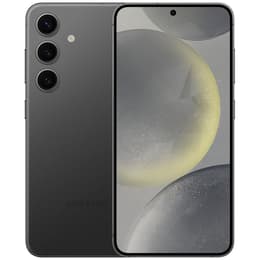
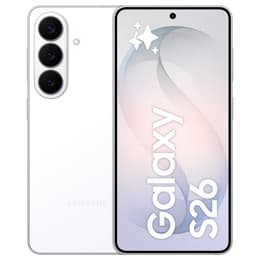
Galaxy S24 Vs Galaxy S26
- 1-year minimum warranty
- Free delivery on all orders
- Free 30-day returns
Differences at a glance
The Samsung Galaxy S24 (2024) and the Samsung Galaxy S26 (2026) represent two consecutive generations of flagship smartphones designed for daily versatility and performance. While sharing a similar foundational form factor, the Galaxy S26 introduces hardware refinements, increased base memory, and a newer operating system version compared to its predecessor. Both devices run on Android-based software with customized user interfaces, offering a streamlined digital experience tailored for everyday use.
Available Models
Colour
Storage (GB)
Scores
Durability
When examining hardware longevity and software support, both smartphones offer robust multi-year update timelines, though their release years create a distinct gap in active software lifespans.
- Software Support Window: The Galaxy S26 benefits from a newer launch date, receiving operating system upgrades and security patches further into the future than the Galaxy S24.
- Build Integrity: Both models utilize durable aluminum frames and hardened glass panels, maintaining structural resilience against daily wear and tear.
- Expected Lifespan: The Galaxy S26 provides extended software readiness, while the Galaxy S24 remains a dependable long-term device supported by robust repair availability and a quality-assured refurbished option for eco-conscious buyers.
Year of Release
2024
2026
Compatible with latest Update
Yes
Yes
OS
Android
Android
Foldable
No
No
Performance
Underneath the exterior, the two devices handle multitasking, application loading, and gaming with distinct processing capabilities and resource allocations.
- Memory Configuration: The Galaxy S26 starts with a higher baseline of random access memory, allowing background applications to stay active more efficiently than the baseline configuration of the Galaxy S24.
- System Responsiveness: Both models load demanding apps smoothly, though the Galaxy S26 utilizes a newer generation processor that manages heavy graphics and complex multitasking with improved thermal efficiency.
- Battery Behavior: The Galaxy S26 features a slightly larger internal battery capacity and optimized energy consumption, translating to more consistent stamina through a full day of mixed usage compared to the Galaxy S24.
Screen quality
Viewing experiences on both handsets benefit from advanced display technologies designed for clarity, color accuracy, and smooth motion.
- Display Technology: Both smartphones utilize bright organic light-emitting diode panels that deliver deep black levels and vivid contrast for media consumption.
- Refresh Rate Dynamics: The screens support high refresh rates that dynamically adjust to content, ensuring smooth scrolling through web pages and fluid animations.
- Outdoor Visibility: High peak brightness levels on both devices allow users to read messages and view photos clearly under direct sunlight.
Resolution
1080 x 2340
1080 x 2340
Audiovisual
The camera systems on both devices are equipped to handle everyday photography, low-light environments, and video recording across various scenarios.
- Lens Configurations: Both models feature a versatile triple-lens setup comprising a main high-resolution sensor, an ultra-wide option, and a telephoto lens for distance shots.
- Low-Light Capture: Image processing algorithms on both handsets brighten dark scenes and minimize visual noise during evening photography.
- Video and Audio: Video recording remains stable and detailed on both units, paired with clear microphone pickup suitable for voice calls and casual video capture.
Front camera
12 megapixels
12.0
Miscellaneous
Practical daily usability elements, including connectivity standards, physical dimensions, and security sensors, shape how each device fits into routine handling.
- Connectivity and Ports: Both models support current-generation mobile networks, fast Wi-Fi standards, and utilize standard reversible charging ports.
- Security and Biometrics: Fast and secure authentication is handled by responsive under-display fingerprint sensors and facial recognition features.
- Physical Handling: The Galaxy S24 and Galaxy S26 maintain lightweight, pocket-friendly profiles with slight variations in height and width that influence single-handed reach.
Weight
167 g
167 g
Screen size (in)
6.2
6.3
Network
5G
5G
SIM card
Dual Physical SIM + eSIM
Physical SIM + eSIM
Carrier compatibility
Unlocked
Unlocked
Connector
USB-C
USB-C
What the community thinks
User feedback for both smartphones highlights reliable daily performance, vibrant screen clarity, and versatile camera systems. Owners of the Galaxy S24 frequently praise its compact handling and dependable everyday operation, though some note that heavy usage requires routine charging by evening. Conversely, users of the Galaxy S26 highlight its improved battery endurance and smoother multitasking execution as standout traits, while occasionally mentioning incremental visual similarities to prior models. Selecting between the two devices depends heavily on individual usage priorities.
Users prioritizing maximum software longevity, smoother multitasking, and extended battery life may prefer the Galaxy S26, while users seeking a reliable, compact daily driver often lean toward the Galaxy S24. Choosing a quality-assured refurbished option for the Galaxy S24 also provides a sustainable choice that reduces electronic waste without compromising core functionality. Ultimately, both devices offer capable smartphone experiences suited to different consumer needs.