
iPhone

Compare models
Differences at a glance
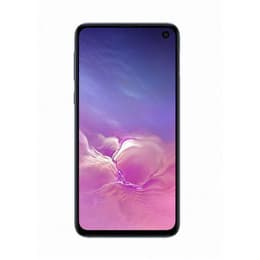
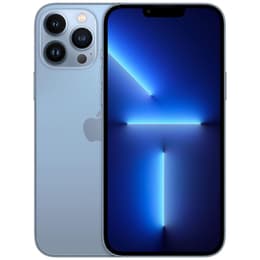
The Samsung Galaxy S10e, released in March 2019, and the iPhone 13 Pro Max, launched in September 2021, represent different approaches to flagship smartphones from their respective eras. While both devices offer premium experiences, they cater to distinct user preferences, primarily differing in their operating systems, physical size, and the evolution of their core technologies. The Galaxy S10e runs on Android, offering a customizable interface, whereas the iPhone 13 Pro Max operates on Apple's iOS, known for its integrated ecosystem and streamlined user experience.
Colour
Storage
The longevity of a smartphone is influenced by its release timeline, software support, and physical durability.
Year of Release
Compatible with latest Update
OS
Foldable
Performance in daily use is shaped by a device's internal components, affecting everything from app responsiveness to battery endurance.
The visual experience on a smartphone is largely defined by its display technology, resolution, and responsiveness.
Resolution
Screen type
Camera capabilities are a significant factor for many users, encompassing both still photography and video recording.
Main camera
Front camera
Beyond core features, practical elements like connectivity, ports, and physical design contribute to the overall user experience.
Weight
Width
Height
Depth
Screen size (in)
Network
SIM card
Carrier compatibility
The Samsung Galaxy S10e and the iPhone 13 Pro Max cater to different user priorities, largely due to their release timelines and distinct operating systems. Users often praise the iPhone 13 Pro Max for its exceptional battery life, powerful performance, and advanced camera system, making it a strong choice for content creation and heavy usage. However, some users note its large size and weight as potential drawbacks, and issues like battery drain, screen flickering, or Face ID malfunctions have been reported over time.
The Galaxy S10e is frequently lauded for its compact form factor, vibrant display, and the inclusion of a headphone jack, appealing to those who prefer a smaller device with traditional connectivity. Criticisms often point to its more mediocre battery life and the end of major software updates, which can impact its long-term usability for some.
Users prioritizing a compact design, a headphone jack, and a side-mounted fingerprint sensor may find the Galaxy S10e well-suited to their needs. Conversely, users who value extended software support, a larger, high-refresh-rate display, superior battery endurance, and a more advanced camera system will likely lean toward the iPhone 13 Pro Max. Both devices offer quality experiences, and choosing a quality-assured refurbished option for either model can be a sustainable choice for consumers.