

Compare models

Galaxy S24 Ultra Vs iPhone 17e

  • 1-year minimum warranty
  • Free delivery on all orders
  • Free 30-day returns
Galaxy S24 Ultra
Starting at

Refurbished price:€535.00

Versus €1,699.00 new

See options
iPhone 17e
Starting at

Refurbished price:€599.00

Versus €879.00 new

See options

Differences at a glance

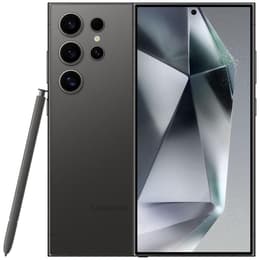
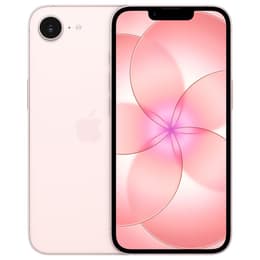
The Samsung Galaxy S24 Ultra (2024) and the Apple iPhone 17e (2026) represent two distinct approaches to high-end mobile computing, balancing advanced capabilities with different operating systems. While the Galaxy S24 Ultra delivers a sprawling display format and versatile multi-lens camera system running on Android, the iPhone 17e focuses on streamlined efficiency and a streamlined single-lens imaging setup powered by iOS. These devices cater to distinct user preferences in hardware scale and software ecosystems.

Available Models

Colour

Storage

Scores

Durability

Evaluating the long-term viability of these devices involves examining their release timelines, software support commitments, and physical resilience standards.

  • Software support timeline: The Galaxy S24 Ultra benefits from an extended multi-year update policy covering both system upgrades and security patches, whereas the iPhone 17e launches with an inherent advantage in release recency, ensuring long-term software compatibility within the Apple ecosystem.
  • Build resilience: The Galaxy S24 Ultra utilizes a titanium frame paired with specialized anti-reflective glass protection, while the iPhone 17e incorporates robust water resistance ratings and durable structural framing designed to withstand daily wear.
  • Expected practical lifespan: Both models offer high-tier hardware durability that easily supports multi-year ownership cycles, making quality-assured refurbished options from Back Market a sustainable choice for environmentally conscious consumers seeking longevity.

Year of Release

2024

2026

OS

Android

iOS

Foldable

No

No

Performance

Day-to-day operation relies on a combination of internal memory capacity, battery management, and general processing efficiency.

  • Storage and multitasking: Both devices offer ample internal storage starting points alongside generous RAM allocations that keep background applications active and multitasking seamless without noticeable stutter.
  • Battery behavior: The Galaxy S24 Ultra includes a high-capacity cell suited for extended daily use across a large screen, while the iPhone 17e optimizes power consumption efficiently to sustain typical usage patterns throughout a full day.
  • System responsiveness: Everyday tasks such as web browsing, app switching, and demanding software execution run smoothly and instantly on both platforms, providing fluid feedback for professional and personal tasks.

Screen quality

Visual output varies significantly in physical dimensions, panel technology, and overall viewing characteristics.

  • Display technology: The Galaxy S24 Ultra features a large, wide-format dynamic display with deep contrast and exceptional brightness levels for clear outdoor visibility, while the iPhone 17e employs a sharp, vibrant OLED panel tailored for comfortable media consumption.
  • Refresh rate and smoothness: The Galaxy S24 Ultra supports a high refresh rate for fluid scrolling motion, whereas the iPhone 17e maintains consistent visual clarity and responsive touch tracking across everyday interactions.
  • Size and workspace: Users preferring maximum screen real estate for productivity will find the expansive S24 Ultra panel accommodating, while those favoring single-handed reachability will appreciate the compact ergonomics of the iPhone 17e.

Resolution

1440 x 3120

2532 x 1170

Audiovisual

Capturing photos and recording video involves contrasting lens configurations and computational photography processing.

  • Imaging hardware: The Galaxy S24 Ultra provides a versatile multi-lens setup featuring ultra-wide and dedicated telephoto options for varied focal lengths, whereas the iPhone 17e focuses on a high-resolution primary lens supported by advanced computational image processing.
  • Low-light and video performance: Both smartphones handle low-light environments effectively by brightening shadows and reducing noise, while delivering stable, high-definition video recording suitable for casual creators.
  • Audio and media output: Built-in stereo speakers on both models produce clear sound output for hands-free calls and video playback, complemented by reliable microphone arrays for voice capture.

Front camera

12 megapixels

12 megapixels

Miscellaneous

Practical everyday usage is shaped by physical dimensions, connection standards, and accessory compatibility.

  • Port and charging standards: Both models utilize universal USB-C ports for data transfer and wired replenishment, alongside modern wireless charging capabilities.
  • Biometrics and security: Security is handled securely via rapid biometric authentication methods tailored to each respective operating system interface.
  • Dimensions and handling: The Galaxy S24 Ultra is a heavier, boxier device designed to maximize screen workspace, whereas the iPhone 17e features a lighter, more pocket-friendly chassis configuration.

Weight

233 g

169 g

Screen size (in)

6.8

6.1

Network

5G

5G

SIM card

Dual Physical SIM + eSIM

eSIM

Carrier compatibility

Unlocked

Unlocked

Connector

USB-C

USB-C (USB 2)

What the community thinks

Users prioritizing an expansive screen workspace, multi-lens photographic versatility, and the flexibility of Android will find the Galaxy S24 Ultra well-suited to their daily routine. Conversely, users who prefer a lighter physical footprint, streamlined software navigation within iOS, and long-term hardware recency will lean toward the iPhone 17e. Choosing between them depends entirely on personal preferences regarding physical size and ecosystem integration.

Opting for a quality-assured refurbished model via Back Market provides an eco-friendly alternative that minimizes electronic waste while delivering reliable, high-performance technology suited to modern user needs.