

Galaxy S24 FE Vs Galaxy S25

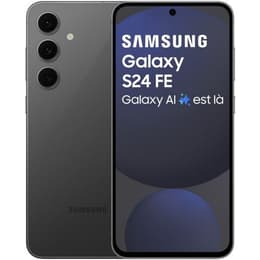
Galaxy S24 FE
Galaxy S24 FE
Starting at

Refurbished price:329.00

Versus €991.15 new

See options
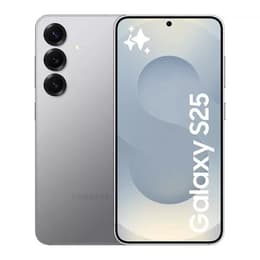
Galaxy S25
Galaxy S25
Starting at

Refurbished price:483.00

Versus €910.00 new

See options

Ratings

The Samsung Galaxy S24 FE, released in October 2024, and the Samsung Galaxy S25, launched in February 2025, represent different tiers within Samsung's smartphone lineup. While both devices operate on the Android platform with Samsung's One UI, the Galaxy S25 offers a more compact design and the latest generation of processing power, whereas the Galaxy S24 FE provides a larger display and battery capacity, balancing flagship-like features with a slightly different hardware focus.

Scores

Durability

The longevity and durability of a smartphone are key considerations for many users, encompassing both physical resilience and ongoing software support.

  • Release Timeline & Software Support: The Galaxy S24 FE was released in October 2024, while the Galaxy S25 followed in February 2025. Both devices benefit from Samsung's commitment to extensive software support, offering seven generations of OS upgrades and seven years of security updates. The Galaxy S24 FE launched with Android 14, and the Galaxy S25 with Android 15, meaning the S25 will receive software updates for one year longer.
  • Build Materials & Durability Features: The Galaxy S24 FE features a glass front and back, protected by Gorilla Glass Victus+, and an aluminum frame, along with an IP68 rating for dust and water resistance. The Galaxy S25 elevates this with Gorilla Glass Victus 2 or Armor for its front and back, and an Armour Aluminium frame, also maintaining an IP68 rating. This indicates the Galaxy S25 incorporates slightly newer and potentially more resilient protective materials.
  • Repairability: Both models demonstrate a commendable approach to repairability. The Galaxy S24 FE has received repairability scores ranging from 8.0 to 8.5 out of 10, with aspects like battery replacement being relatively straightforward. The Galaxy S25 also achieves a strong repairability score of 8.5 out of 10, indicating a design that facilitates component replacement.

Year of Release

2024

2025

OS

Android

Android

Foldable

No

No

Performance

Evaluating the performance of these devices involves looking at their core components and how they translate to real-world user experience.

  • Processing Power & Responsiveness: The Galaxy S24 FE is equipped with the Exynos 2400e processor, which delivers solid performance for daily tasks and most applications. The Galaxy S25, on the other hand, features the Snapdragon 8 Elite for Galaxy, a newer generation flagship processor designed for enhanced speed and efficiency. This results in the Galaxy S25 offering faster CPU and GPU speeds, leading to smoother handling of demanding applications, more fluid multitasking, and a generally more responsive system.
  • Memory & Storage: The Galaxy S24 FE typically comes with 8GB of RAM, which is sufficient for most multitasking needs. The Galaxy S25 steps up with 12GB of RAM across all versions, providing more headroom for intensive multitasking and future applications. Both devices offer storage options starting from 128GB and 256GB, with the Galaxy S25 also providing a 512GB option.
  • Battery Capacity & Charging: The Galaxy S24 FE houses a larger 4700mAh battery, which generally translates to longer usage times for many users. The Galaxy S25 features a 4000mAh battery. Both devices support 25W wired fast charging.

Memory (GB)

8 GB

12 GB

Screen quality

The visual experience is a primary interaction point for smartphones, and both models offer high-quality displays with distinct characteristics.

  • Display Technology & Resolution: Both the Galaxy S24 FE and Galaxy S25 utilize Dynamic AMOLED 2X display technology, known for vibrant colors and deep blacks. Both screens offer an FHD+ resolution (1080x2340 pixels), providing clear and sharp visuals for everyday viewing.
  • Refresh Rate & Brightness: Both devices feature a 120Hz refresh rate, contributing to smooth scrolling and responsive interactions. The Galaxy S25 incorporates adaptive refresh rate technology, capable of scaling down to 1Hz to conserve power, whereas the S24 FE can scale down to 60Hz. In terms of brightness, the Galaxy S25 offers a higher peak brightness of 2600 nits, making it more visible in bright outdoor conditions compared to the S24 FE's 1900 nits peak brightness.
  • Screen Size & Viewing Experience: The Galaxy S24 FE provides a larger 6.7-inch display, offering an expansive viewing area for media consumption and productivity. The Galaxy S25 features a more compact 6.2-inch display, which can be more comfortable for one-handed use and for users who prefer a smaller device. The Galaxy S25 also features noticeably slimmer bezels, contributing to a more immersive screen-to-body ratio.

Resolution

1080 x 2340

1080x2340

Screen type

Dynamic AMOLED 2X

Dynamic LTPO AMOLED 2X

Audiovisual

Camera capabilities are a significant factor for many users, and both the Galaxy S24 FE and Galaxy S25 offer versatile camera systems.

  • Rear Camera Systems: The Galaxy S24 FE features a triple rear camera setup, including a 50-megapixel main sensor, a 12-megapixel ultrawide sensor, and an 8-megapixel telephoto lens with 3x optical zoom. The Galaxy S25 also comes with a triple rear camera system, comprising a 50-megapixel main sensor, a 12-megapixel ultrawide sensor, and a 10-megapixel telephoto lens with 3x optical zoom.
  • Photography Performance: The Galaxy S25 benefits from a newer generation of image processing and AI enhancements, referred to as the "Next Gen ProVisual Engine," which can lead to improved image quality, especially in challenging lighting conditions. While the S24 FE's cameras are capable for everyday photography, the S25's larger sensors and advanced processing may offer a slight edge in detail and dynamic range. Some users have noted that the S24 FE's ultrawide and telephoto lenses can produce pleasing results.
  • Front Camera & Video Quality: For selfies, the Galaxy S24 FE includes a 10-megapixel front camera, while the Galaxy S25 features an upgraded 12-megapixel front camera, potentially offering more detailed self-portraits. Both devices are capable of recording 8K video, providing high-resolution video capture. The Galaxy S25's speakers are noted for cleaner sound at higher volumes and better low-frequency response compared to the S24 FE.

Miscellaneous

Beyond the core features, several practical elements contribute to the overall user experience and differentiate these two Samsung smartphones.

  • Connectivity & Ports: Both devices support 5G connectivity for fast mobile data. The Galaxy S24 FE includes Wi-Fi 6E and Bluetooth 5.3, offering robust wireless connections. The Galaxy S25 features the newer Wi-Fi 7 standard and Bluetooth 5.4, providing potentially faster and more stable wireless performance. Both models utilize a USB Type-C port for charging and data transfer.
  • Sensors & Biometrics: Both smartphones incorporate an in-display fingerprint sensor for secure and convenient unlocking. The Galaxy S25 integrates more advanced AI features, which can enhance various aspects of the user experience, from photography to daily tasks.
  • Physical Design & Handling: The Galaxy S24 FE is a larger and heavier device, weighing 213 grams with dimensions of 162 x 77.3 x 8 mm. In contrast, the Galaxy S25 is significantly more compact and lighter, at 162 grams and measuring 146.9 x 70.5 x 7.2 mm. This difference in size and weight means the Galaxy S25 offers a more pocketable and easier-to-handle experience for users preferring a smaller form factor.

Weight

213 g

162 g

Screen size (in)

6.7

6.2

Network

5G

5G

SIM card

Dual Physical SIM

Physical SIM + eSIM

Carrier compatibility

Unlocked

Unlocked

User feedback often highlights the Galaxy S24 FE as a well-rounded device that offers a strong balance of features, including a capable camera system, a larger display, and extended battery life, making it a compelling option for those seeking a comprehensive smartphone experience without needing the absolute latest flagship components. Some common observations include its slightly less premium feel and heavier build compared to its flagship counterparts.

The Galaxy S25, on the other hand, is frequently praised for its more compact design, powerful processing capabilities, and advanced AI features, alongside enhanced durability. Users sometimes note its smaller battery capacity and display size as trade-offs for its portability and cutting-edge performance.

Users prioritizing a larger display, longer battery life, and a capable camera system for everyday use may find the Galaxy S24 FE well-suited to their needs. Conversely, individuals who prefer a more compact device, desire the most current processing power for demanding applications, advanced AI features, and slightly enhanced physical durability will likely lean towards the Galaxy S25. Both devices offer a robust Android experience, and choosing between them often comes down to personal preference regarding size, battery endurance, and the desire for the latest performance advancements. For those considering these options, exploring quality-assured refurbished alternatives can be an eco-friendly choice.


See all articles

Our recent comparisons