

iPhone 17 Vs Xiaomi Redmi Note 11

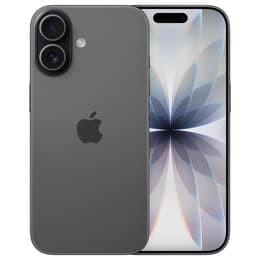
iPhone 17
iPhone 17
Starting at

Refurbished price:700.00

Versus €979.00 new

See options
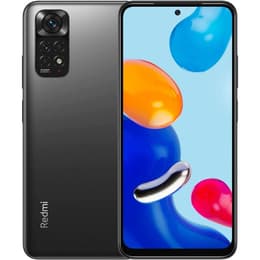
Xiaomi Redmi Note 11
Starting at

Refurbished price:108.00

Versus €249.99 new

See options

Ratings

The iPhone 17, an anticipated flagship smartphone from Apple expected in 2025, represents the forefront of mobile technology, while the Xiaomi Redmi Note 11, released in January 2022, is a well-regarded mid-range Android device. These two smartphones cater to different user expectations and budgets, offering distinct experiences in terms of performance, camera capabilities, and overall ecosystem. The iPhone 17 is poised to introduce advanced features and a highly integrated software experience, contrasting with the Redmi Note 11's focus on delivering solid everyday functionality and a user-friendly Android interface.

Scores

Durability

When considering the long-term usability of these devices, their release timelines and software support policies are key differentiators.

  • Release Timeline and OS Support: The iPhone 17, as a newer device expected in 2025, will benefit from Apple's extensive software support, typically receiving major iOS updates for five to seven years and security patches even longer. This means an extended period of new features and security enhancements. In contrast, the Xiaomi Redmi Note 11, released in early 2022, launched with Android 11 and MIUI 13, and while it received updates to Android 13 and HyperOS, it reached its end-of-life for software and security updates by early 2025.
  • Expected Practical Lifespan: Users prioritizing maximum software longevity and access to the latest features will find the iPhone 17 more suitable due to its newer release and Apple's longer support cycle. The Redmi Note 11, while still functional, will no longer receive official updates, potentially increasing vulnerability to security threats over time.
  • Durability Features: The iPhone 17 is expected to feature robust build materials and an IP68 rating for dust and water resistance, offering significant protection against environmental elements. The Redmi Note 11 provides IP53 dust and splash protection, which guards against light exposure to water and dust but is not designed for submersion.

Year of Release

2025

2022

Compatible with latest Update

Yes

No

OS

iOS

Android

Foldable

No

No

Performance

The performance capabilities of these two smartphones reflect their different market positions and release dates, impacting how they handle various tasks.

  • Processor Capabilities: The iPhone 17 is expected to be powered by Apple's A19 chip, featuring a multi-core CPU and GPU with Neural Accelerators. This advanced processor aims to provide substantial power for demanding applications, complex multitasking, and console-quality gaming with improved frame rates and visual effects. The Xiaomi Redmi Note 11 is equipped with a Qualcomm Snapdragon 680 4G processor, which offers reliable performance for everyday tasks like browsing, social media, and light gaming.
  • System Responsiveness and Multitasking: The iPhone 17's anticipated hardware and optimized software are designed for extremely fluid navigation and seamless transitions between applications, even with many running simultaneously. The Redmi Note 11 provides an acceptable user experience for general use, though it may exhibit occasional slowdowns when handling more intensive applications or extensive multitasking.
  • Storage and RAM: While specific RAM configurations for the base iPhone 17 are not detailed, Apple devices are known for efficient memory management. The Redmi Note 11 offers various configurations, including 4GB or 6GB of RAM and 64GB or 128GB of internal storage, with expandable storage up to 1TB via a microSD card.

Memory (GB)

8 GB

4 GB

Screen quality

The visual experience on these devices is shaped by their display technologies and specifications, catering to different viewing preferences.

  • Display Technology and Resolution: The iPhone 17 is expected to feature an upgraded Super Retina XDR OLED display, offering a high resolution of 2622 × 1206 pixels at 460 pixels per inch. This technology delivers deep blacks, vibrant colors, and excellent contrast. The Xiaomi Redmi Note 11 sports a 6.43-inch FHD+ AMOLED DotDisplay with a resolution of 1080x2400 pixels, providing clear and colorful visuals suitable for media consumption.
  • Refresh Rate and Brightness: The iPhone 17 is anticipated to include ProMotion technology, enabling an adaptive refresh rate up to 120Hz for smoother scrolling and more responsive interactions. It is also expected to reach a peak outdoor brightness of 3000 nits, ensuring excellent visibility in bright conditions. The Redmi Note 11 features a 90Hz refresh rate, which offers a smoother experience than standard 60Hz displays, and a peak brightness of 1000 nits, making it adequately visible outdoors.
  • Viewing Experience: Both devices offer vibrant displays, but the iPhone 17's expected higher resolution, adaptive refresh rate, and superior peak brightness are likely to provide a more refined and immersive viewing experience, particularly for high-quality video content and gaming.

Resolution

2622x1206

1080 x 2400

Screen type

Super Retina XDR

AMOLED

Audiovisual

The camera systems of the iPhone 17 and Xiaomi Redmi Note 11 reflect different approaches to mobile photography, from advanced computational imaging to versatile multi-lens setups.

  • Camera System Capabilities: The iPhone 17 is expected to feature a dual-lens 48-megapixel Fusion camera system, including a main lens with a wide aperture and sensor-shift optical image stabilization, alongside a 48-megapixel ultra-wide lens. It is also rumored to have an upgraded 24-megapixel front camera. The Redmi Note 11 comes with a quad-camera setup, featuring a 50-megapixel main sensor, an 8-megapixel ultrawide lens, and additional 2-megapixel macro and depth sensors. Its front camera is 13-megapixel.
  • Photography Performance: The iPhone 17's advanced computational photography and larger sensors are expected to deliver exceptional detail, dynamic range, and low-light performance, with features like 4K Dolby Vision video recording. The Redmi Note 11 performs well in good lighting conditions, capturing decent detail and natural colors, but its performance in low-light environments is less consistent, and video recording is capped at 1080p at 30 frames per second.
  • Audio Experience: The iPhone 17 is expected to offer high-quality stereo speakers and advanced audio processing. The Redmi Note 11 features dual speakers and retains a 3.5mm headphone jack, providing a versatile audio experience for media consumption.

Main camera

48 megapixels

50 megapixels

Front camera

18 megapixels

13 megapixels

Miscellaneous

Beyond core features, several practical elements contribute to the overall user experience and daily utility of these smartphones.

  • Connectivity Options: The iPhone 17 is expected to support the latest connectivity standards, including 5G and Wi-Fi 7, ensuring fast and reliable wireless performance. The Xiaomi Redmi Note 11 supports 4G LTE and Wi-Fi 5 (802.11ac), which are suitable for most current network environments but do not offer the same future-proofing as the iPhone 17.
  • Ports and Sensors: The iPhone 17 is anticipated to feature a USB-C port, aligning with modern universal charging and data transfer standards. It will likely rely on Face ID for biometric security. The Redmi Note 11 includes a USB-C port, a 3.5mm headphone jack, and a side-mounted fingerprint sensor for convenient unlocking. It also has an IR blaster for controlling home appliances.
  • Design and Handling: The iPhone 17 is expected to maintain a premium build with a focus on sleek design and potentially new materials, with an emphasis on a compact yet expansive display. The Redmi Note 11 features a flat-edge design with a plastic frame and glass front, offering a comfortable grip and an IP53 rating for splash resistance.

Weight

177 g

179 g

Screen size (in)

6.3

6.43

Network

5G

4G

SIM card

eSIM

Dual Physical SIM

Carrier compatibility

Unlocked

Unlocked

The iPhone 17 and Xiaomi Redmi Note 11 cater to distinct user needs, reflecting their different positions in the smartphone market. The iPhone 17, as an upcoming flagship, is anticipated to excel in raw performance, offering a highly advanced processor, a superior display with a high refresh rate, and a sophisticated camera system capable of capturing professional-grade photos and videos. Users who prioritize cutting-edge technology, long-term software support, and a premium, integrated ecosystem will find the iPhone 17 well-suited to their needs. Its expected advancements in AI capabilities and overall system responsiveness make it ideal for power users, content creators, and those who demand the absolute best in mobile innovation.

Conversely, the Xiaomi Redmi Note 11, a mid-range device from 2022, offers a compelling package for users seeking reliable everyday performance without the premium price tag. Its strengths lie in its vibrant AMOLED display, excellent battery life that can last over a day, and a versatile camera system that performs well in good lighting. Users who value a strong balance of features for general use, media consumption, and casual photography, along with practical additions like a headphone jack and expandable storage, will find the Redmi Note 11 a practical choice. However, its software support has ended, which is a consideration for long-term use.

Ultimately, the decision between these two devices hinges on individual priorities. Users prioritizing future-proof technology, extensive software longevity, and top-tier performance for demanding tasks will lean towards the iPhone 17. Those seeking a dependable smartphone for daily use with a great screen and long battery life, and who are comfortable with an older software version, may find the Redmi Note 11 to be a suitable option. For those looking for a more sustainable choice, both models can be found as quality-assured refurbished options, offering an eco-friendly alternative to purchasing new.


See all articles

Our recent comparisons