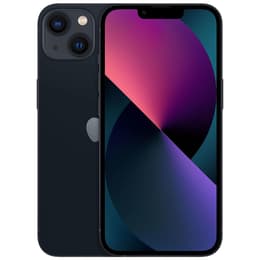

iPhone

Compare models
Differences at a glance
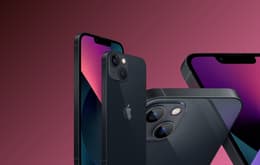
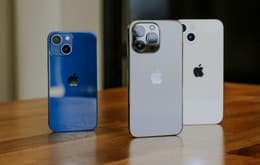
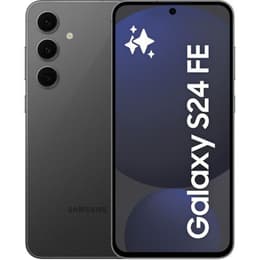
The Samsung Galaxy S24 FE, released in late 2024, and the Apple iPhone 13, launched in late 2021, represent distinct approaches to smartphone design and functionality. While both offer robust performance and capable camera systems, they differ significantly in their operating systems, display technology, and long-term software support. The Galaxy S24 FE runs on Android, providing a customizable experience, whereas the iPhone 13 operates on Apple's iOS, known for its integrated ecosystem.
Colour
Storage
The longevity of a smartphone is influenced by its release timeline, software support, and physical durability. These two devices offer different timelines for expected usability.
Year of Release
Performance in daily use, from app handling to multitasking, is a key consideration, and both devices deliver smooth experiences through their respective hardware and software optimizations.
The visual experience is largely defined by the display, and these phones offer distinct characteristics in terms of technology, size, and refresh rate.
Both smartphones offer capable camera systems, but they approach photography and videography with different hardware configurations and software features.
Beyond core performance and display, several practical elements contribute to the overall user experience and differentiate these two devices.
Screen size (in)
Network
SIM card
Carrier compatibility
Connector
The Samsung Galaxy S24 FE and the iPhone 13 cater to different user preferences, primarily due to their operating systems and release timelines. Users often praise the Galaxy S24 FE for its extended software support, vibrant 120Hz display, and the inclusion of a dedicated telephoto lens, along with its suite of Galaxy AI features. [8, 13, 22, 24, 30, 32, 35] Some criticisms point to its camera performance not always matching flagship levels in all conditions, with occasional unrealistic colors or washed-out shadows. [20, 30]
The iPhone 13 is frequently lauded for its consistent camera quality, particularly in low light, its robust build with Ceramic Shield, and the smooth, integrated experience of iOS. [1, 27, 28] Common concerns for the iPhone 13 include its 60Hz display, which some users find less fluid compared to higher refresh rate screens, and its reliance on the Lightning port rather than the more universal USB-C. [1, 42]
Users prioritizing a larger, high-refresh-rate display, a telephoto camera, and a longer guaranteed software update period may find the Samsung Galaxy S24 FE well-suited to their needs. Its Android operating system also offers greater customization. Conversely, individuals who value a compact design, a highly optimized ecosystem, consistent camera performance, and a familiar user experience may lean toward the iPhone 13. Both devices offer a reliable smartphone experience, and choosing a quality-assured refurbished option can be an eco-friendly alternative for either model.