

Galaxy S24 Ultra Vs Xiaomi Redmi Note 13 Pro+

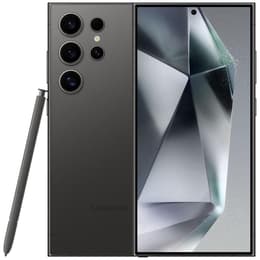
Galaxy S24 Ultra
Galaxy S24 Ultra
Starting at

Refurbished price:540.00

Versus €1,589.00 new

See options
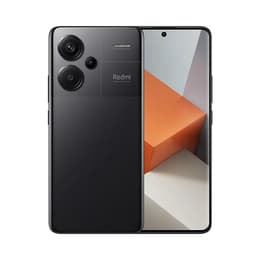
Xiaomi Redmi Note 13 Pro+
Starting at

Refurbished price:198.00

Versus €449.00 new

See options

Ratings

The Samsung Galaxy S24 Ultra, released in January 2024, represents a premium offering in the smartphone market, while the Xiaomi Redmi Note 13 Pro+, launched around the same time in early 2024, positions itself as a feature-rich device. Both smartphones operate on the Android platform, but they cater to different user expectations through their distinct hardware and software approaches. The Galaxy S24 Ultra emphasizes advanced camera capabilities, a robust build, and extensive software support, whereas the Redmi Note 13 Pro+ focuses on a high-resolution display, rapid charging, and solid everyday performance.

Scores

Durability

When considering the long-term usability of these devices, several factors come into play, including software support, physical resilience, and repairability.

  • Software Longevity: The Samsung Galaxy S24 Ultra stands out with a commitment to seven years of major Android OS upgrades and security patches, ensuring extended software relevance. [5, 25, 39, 40, 41] The Redmi Note 13 Pro+ launched with Android 13 and is upgradable to Android 14, but Xiaomi's update policy typically offers a shorter support window compared to Samsung's flagship line. [8, 43]
  • Physical Durability: The Galaxy S24 Ultra features a titanium frame and Corning Gorilla Armor on both the front and back, providing enhanced scratch and drop resistance. [4, 7, 13, 16, 25, 26, 29, 30, 32] It also boasts an IP68 rating for dust and water resistance. [4, 13] The Redmi Note 13 Pro+ also offers an IP68 rating and uses Gorilla Glass Victus for screen protection, along with internal reinforcements for drop resilience. [1, 2, 14, 15, 31, 33, 47]
  • Repairability: The Galaxy S24 Ultra has shown a high repairability score in some assessments, indicating a design that facilitates component replacement. [30] Information regarding the specific repairability score for the Redmi Note 13 Pro+ is less widely available, though its construction includes Gorilla Glass Victus which is a common protective material. [1, 2, 14, 15, 31, 33, 47]

Year of Release

2024

2023

Compatible with latest Update

Yes

Yes

OS

Android

Android

Foldable

No

No

Performance

The performance of a smartphone is crucial for daily tasks, from app usage to demanding multimedia and gaming. Both devices offer capable hardware for a smooth user experience.

  • Processing Power: The Galaxy S24 Ultra is equipped with a current-generation processor designed for high-end performance, enabling seamless multitasking, rapid app loading, and efficient handling of graphically intensive games. [4, 11, 16, 23] The Redmi Note 13 Pro+ utilizes a capable processor that delivers smooth performance for everyday use and is suitable for most gaming and multitasking scenarios. [1, 8, 17, 24, 28, 33, 43, 44]
  • Memory and Storage: The Galaxy S24 Ultra typically comes with 12GB of RAM, providing ample capacity for running numerous applications simultaneously without slowdowns. [4, 11, 23] It offers storage options up to 1TB. [4] The Redmi Note 13 Pro+ is available with 8GB or 12GB of RAM and up to 512GB of storage, which is sufficient for most users' needs. [8, 18, 33, 44]
  • Battery Performance: The Galaxy S24 Ultra features a 5000mAh battery, with users frequently reporting that it lasts through a full day of heavy use. [4, 9, 21] The Redmi Note 13 Pro+ also has a 5000mAh battery, providing approximately 1.5 days or 36 hours of use on a single charge, which is considered adequate for most users. [1, 10, 18, 24, 42, 43]

Memory (GB)

12 GB

12 GB

Screen quality

The display is a primary interface for smartphone interaction, and both models offer high-quality viewing experiences with distinct characteristics.

  • Display Technology and Clarity: The Galaxy S24 Ultra features a 6.8-inch Dynamic AMOLED 2X display with a QHD+ resolution (3120 x 1440 pixels), offering exceptional sharpness and vibrant colors. [3, 4, 16, 23, 37, 38] The Redmi Note 13 Pro+ has a 6.67-inch AMOLED display with a 1.5K resolution (2712 x 1220 pixels), providing a crisp and clear viewing experience. [1, 6, 8, 14, 15, 17, 18, 31, 44, 47]
  • Brightness and Refresh Rate: The Galaxy S24 Ultra boasts a peak brightness of 2600 nits, ensuring excellent visibility even in bright outdoor conditions, and an adaptive refresh rate of 1-120Hz for smooth scrolling and responsiveness. [16, 23, 25, 37, 38] The Redmi Note 13 Pro+ offers a peak brightness of 1800 nits and a 120Hz refresh rate, contributing to good outdoor visibility and fluid visuals. [1, 6, 14, 17, 18, 31, 44, 47]
  • Protection and Features: The Galaxy S24 Ultra's display is protected by Corning Gorilla Armor, which enhances scratch resistance and reduces reflections. [7, 16, 25, 26, 29, 37] It also features a flat display design. [7, 16] The Redmi Note 13 Pro+ uses Gorilla Glass Victus for screen protection and supports Dolby Vision and HDR10+ for enhanced media consumption. [1, 6, 14, 15, 17, 18, 31, 44, 47]

Resolution

1440 x 3120

1220 x 2712

Screen type

Dynamic LTPO AMOLED 2X

AMOLED

Audiovisual

Both smartphones offer advanced camera systems, but they approach photography with different strengths and feature sets.

  • Rear Camera System: The Galaxy S24 Ultra features a versatile quad-camera setup, including a 200MP main sensor with optical image stabilization (OIS), a 12MP ultrawide lens, a 10MP 3x telephoto lens, and a 50MP 5x telephoto lens. [4, 12, 16, 20, 22, 23, 25, 35] This configuration allows for flexible zoom capabilities and improved low-light performance, particularly with the 5x telephoto. [12, 20] The Redmi Note 13 Pro+ comes with a triple camera system, highlighted by a 200MP main sensor with OIS, an 8MP ultrawide camera, and a 2MP macro lens. [8, 14, 18, 43]
  • Photography Performance: The Galaxy S24 Ultra is praised for its overall camera quality, delivering clear, detailed photos with good dynamic range, and strong performance in various lighting conditions. [9, 21, 27, 35] The Redmi Note 13 Pro+ offers high-quality photos from its 200MP primary camera, though some reviews suggest its camera processing could benefit from refinement. [1, 10]
  • Video and Audio: The Galaxy S24 Ultra supports 8K video recording at 30 frames per second (fps) and 4K video at up to 120fps, with good stabilization. [12, 16, 20, 36] It also features quality microphone performance. The Redmi Note 13 Pro+ can record 4K video at 30fps and includes stereo speakers with Dolby Atmos support for an enhanced audio experience. [1, 14, 18, 31, 33]

Main camera

200 megapixels

200 megapixels

Front camera

12 megapixels

16 megapixels

Miscellaneous

Beyond core performance, several practical features and design elements contribute to the overall user experience of these devices.

  • Connectivity and Ports: Both devices support 5G connectivity, Wi-Fi 6, and Bluetooth 5.3. [4, 14, 18, 31, 44] The Galaxy S24 Ultra uses a USB Type-C port and supports NFC. [4] The Redmi Note 13 Pro+ also features a USB Type-C port and NFC. [18]
  • Biometric Security: Both smartphones incorporate in-display fingerprint sensors for secure unlocking. [4, 14, 18, 43] The Galaxy S24 Ultra also offers face recognition, as does the Redmi Note 13 Pro+. [18]
  • Design and Handling: The Galaxy S24 Ultra features a titanium frame, contributing to its premium feel and durability, and has a flat display. [4, 7, 13, 16, 25, 26, 29, 32, 34] It weighs around 232-233 grams. [4, 13, 38] The Redmi Note 13 Pro+ has a curved display and a weight of approximately 204.5 grams, offering a comfortable grip. [18, 31, 44] The Galaxy S24 Ultra also includes an integrated S Pen stylus. [7, 9, 26, 34]

Weight

232 g

204 g

Screen size (in)

6.8

6.67

Network

5G

5G

SIM card

Dual Physical SIM + eSIM

Dual Physical SIM

Carrier compatibility

Unlocked

Unlocked

The Samsung Galaxy S24 Ultra and the Xiaomi Redmi Note 13 Pro+ offer distinct propositions for smartphone users. The Galaxy S24 Ultra is frequently praised by users for its exceptional battery life, versatile and high-quality camera system, robust overall performance, and the intuitive One UI software experience. [9, 19, 21, 27] Its integrated S Pen is also a significant advantage for those who value productivity and creative input. Some users note its large size as a potential drawback, and power users have expressed concerns about software control limitations. [19, 34]

The Redmi Note 13 Pro+ receives positive feedback for its vibrant display, rapid 120W fast charging capability, and appealing design. [1, 10, 17, 24] Its main camera is capable, though some user feedback suggests that camera processing could be improved. [1, 10] Despite a large battery, some reviews indicate that its battery life is average compared to some competitors. [10]

Users prioritizing a device with the longest possible software support, a highly advanced and flexible camera system, and a premium, durable build with stylus integration may find the Galaxy S24 Ultra well-suited to their needs. Conversely, users who value a bright, smooth display, extremely fast charging, and solid performance for everyday tasks, while also appreciating an eco-friendly, quality-assured refurbished option, might lean towards the Redmi Note 13 Pro+. Both devices provide a strong user experience, with the choice depending on individual priorities for features and longevity.


See all articles

Our recent comparisons