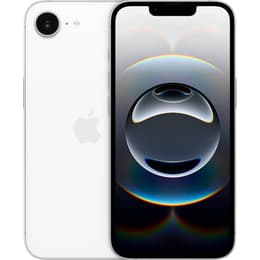


Galaxy S23 FE Vs iPhone 16e

Galaxy S23 FE
Galaxy S23 FE
Starting at

Refurbished price:226.00

Versus €708.98 new

See options
iPhone 16e
iPhone 16e
Starting at

Refurbished price:387.00

Versus €719.00 new

See options

Ratings

The Samsung Galaxy S23 FE, released in October 2023, and the Apple iPhone 16e, introduced in February 2025, represent distinct approaches to smartphone design and functionality. While both devices offer robust performance and modern features, they cater to different user preferences through their respective operating systems and hardware philosophies. The Galaxy S23 FE runs on Android, providing a customizable experience, whereas the iPhone 16e operates on iOS, known for its integrated ecosystem. Key differentiators include their display technologies, camera systems, and overall design aesthetics.

Scores

Durability

When considering the longevity of these devices, their release timelines and software support play a significant role. The Galaxy S23 FE launched in late 2023, while the iPhone 16e was released in early 2025, making the iPhone the newer device.

  • Software Updates: The Galaxy S23 FE, running Android, typically receives several years of major OS updates and security patches, ensuring continued functionality and protection. The iPhone 16e, on the other hand, launched with iOS 18.3 and was upgradable to iOS 26.4, benefiting from Apple's extended software support, though it was discontinued in March 2026.
  • Physical Durability: Both devices feature an IP68 rating for dust and water resistance, offering protection against environmental elements. The iPhone 16e incorporates Ceramic Shield on its front, designed for enhanced drop performance, while the Galaxy S23 FE uses Gorilla Glass 5 for screen protection.
  • Practical Lifespan: Users can expect a practical lifespan of several years from both, with the iPhone 16e potentially offering a slightly longer period of optimal performance due to its newer release and Apple's consistent software support, despite its recent discontinuation.

Year of Release

2023

2025

OS

Android

iOS

Foldable

No

No

Performance

The performance of a smartphone is crucial for daily tasks, from navigating applications to engaging in demanding activities like gaming. Both the Galaxy S23 FE and the iPhone 16e are equipped to handle a wide range of user needs.

  • Processing Power: The Galaxy S23 FE is powered by a processor that ensures smooth operation for multitasking and running various applications. The iPhone 16e features Apple's A18 chip, which provides fast and efficient performance, supporting demanding applications and enhancing overall system responsiveness.
  • Multitasking and Responsiveness: With 8GB of RAM, the Galaxy S23 FE offers ample capacity for switching between multiple applications without significant slowdowns. The iPhone 16e also comes with 8GB of RAM, contributing to fluid multitasking and efficient handling of complex operations.
  • Storage Options: The Galaxy S23 FE is available with 128GB or 256GB of internal storage, providing space for apps, photos, and media. The iPhone 16e offers more varied storage configurations, including 128GB, 256GB, and 512GB, catering to users with higher storage requirements.

Memory (GB)

8 GB

8 GB

Screen quality

The display is a primary interface for smartphone interaction, and both devices offer vibrant viewing experiences with distinct characteristics.

  • Display Technology: The Galaxy S23 FE features a 6.4-inch Dynamic AMOLED 2X display, known for its deep blacks, high contrast, and vibrant color reproduction. The iPhone 16e comes with a 6.1-inch OLED display, also delivering rich colors and excellent contrast.
  • Resolution and Clarity: The Galaxy S23 FE offers a Full HD+ resolution (1080 x 2340 pixels), providing sharp and clear visuals for everyday content consumption. The iPhone 16e's display has a resolution of 2532 x 1170 pixels, contributing to crisp text and detailed images.
  • Refresh Rate and Brightness: The Galaxy S23 FE boasts a 120Hz refresh rate, resulting in smoother scrolling and more fluid animations. The iPhone 16e features a standard 60Hz refresh rate, which is suitable for most daily use. Both displays offer sufficient brightness for comfortable viewing in various lighting conditions.

Resolution

1080 x 2340

2532x1170

Audiovisual

For many users, the camera system is a key factor in choosing a smartphone, and both the Galaxy S23 FE and iPhone 16e provide capable photographic tools.

  • Rear Camera System: The Galaxy S23 FE is equipped with a versatile triple-lens rear camera setup, including a 50-megapixel main sensor, a 12-megapixel ultra-wide lens, and an 8-megapixel telephoto lens with 3x optical zoom. This configuration allows for a range of photographic styles, from wide landscapes to zoomed-in shots. The iPhone 16e features a single 48-megapixel wide-angle rear camera, focusing on high-quality primary shots.
  • Photography Performance: The Galaxy S23 FE's multiple lenses offer flexibility for different scenarios, including improved low-light performance and detailed zoom capabilities. The iPhone 16e's single main camera, combined with its advanced image processing, aims to deliver consistent and high-quality photos in various lighting conditions.
  • Video Recording and Front Camera: Both devices are capable of recording high-resolution video. The Galaxy S23 FE supports up to 8K video recording at 24fps, and features a 10-megapixel front camera. The iPhone 16e also offers strong video capabilities and includes a 12-megapixel front camera for clear selfies and video calls.

Front camera

10 megapixels

TrueDepth 12MP

Miscellaneous

Beyond core features, several practical elements contribute to the overall user experience and differentiate these two smartphones.

  • Connectivity and Ports: Both devices support 5G connectivity for fast mobile data. The Galaxy S23 FE includes Wi-Fi 6E and Bluetooth 5.3, and features a USB-C 2.0 port. The iPhone 16e also utilizes a USB-C port for charging and data transfer, aligning with modern standards.
  • Biometric Security: The Galaxy S23 FE typically offers an in-display fingerprint sensor for secure unlocking. The iPhone 16e relies on Face ID, Apple's facial recognition system, for secure authentication.
  • Design and Handling: The Galaxy S23 FE has dimensions of 76.5 x 158 x 8.2 mm and weighs 209g, offering a substantial feel. The iPhone 16e is slightly more compact and lighter at 146.7 × 71.5 × 7.8 mm and 167g, which may appeal to users preferring a smaller device.

Weight

209 g

167 g

Screen size (in)

6.4

6.1

Network

5G

5G

SIM card

Physical SIM

eSIM

Carrier compatibility

Unlocked

Unlocked

The Samsung Galaxy S23 FE and the Apple iPhone 16e offer distinct experiences for users, each with its own set of strengths. The Galaxy S23 FE, released in late 2023, provides a larger, high-refresh-rate AMOLED display and a versatile triple-camera system, making it suitable for users who prioritize multimedia consumption and photographic flexibility within the Android ecosystem. Its robust battery life and customizable interface are often praised by users.

The iPhone 16e, launched in early 2025 and recently discontinued, offers the streamlined iOS experience with a powerful A18 chip, a high-quality OLED display, and a focus on consistent camera performance. Users often appreciate its compact design and the long-term software support characteristic of Apple devices. However, some users might note the absence of an ultra-wide camera or MagSafe charging as limitations compared to other iPhone models.

Users prioritizing a highly customizable Android experience with a larger, smoother display and a comprehensive camera setup may find the Galaxy S23 FE well-suited to their needs. Conversely, those who prefer the integrated Apple ecosystem, a compact form factor, and strong core performance for everyday tasks might lean towards the iPhone 16e. Both devices represent quality options, and considering a quality-assured refurbished option for either model can be an eco-friendly alternative for making an informed choice.


See all articles

Our recent comparisons