


Compare models
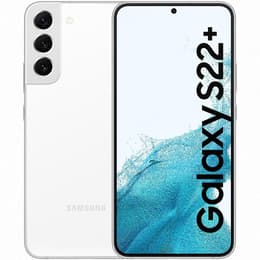
Galaxy S22+ 5G Vs iPhone Air
- 1-year minimum warranty
- Free delivery on all orders
- Free 30-day returns
Differences at a glance
The Samsung Galaxy S22+ 5G (2022) and the Apple iPhone Air (2025) represent two distinct approaches to large-screen smartphone design, balancing daily usability with unique physical profiles. While the Galaxy S22+ 5G relies on a traditional Android flagship formula with a balanced glass-and-aluminum build, the iPhone Air prioritizes an ultra-slim titanium architecture running iOS. These two devices diverge sharply in their release years, hardware layouts, and overall physical execution, offering unique benefits depending on user preferences.
Available Models
Colour
Storage
Scores
Durability
When evaluating structural longevity and software support, both devices approach lifespan from different starting points in their respective software ecosystems.
- Release timeline and age: The Galaxy S22+ 5G debuted in early 2022, whereas the iPhone Air arrived in late 2025, placing them several years apart in release chronology.
- Software support duration: Apple provides long-term iOS updates typically spanning five to six years from release, while Samsung offers multi-year Android version upgrades and security patches starting from its 2022 baseline.
- Expected practical lifespan: Users selecting the newer iPhone Air benefit from an extended window of active software patches, whereas the Galaxy S22+ 5G represents a mature device approaching the latter stages of its primary update lifecycle.
Year of Release
2022
2025
Compatible with latest Update
Yes
Yes
OS
Android
iOS
Foldable
No
No
Performance
Underneath their exteriors, these smartphones manage everyday multitasking, app loading, and system responsiveness through distinct internal configurations.
- System responsiveness: Both devices handle daily web browsing, media streaming, and routine productivity apps fluidly, though current-generation processors in newer models offer additional headroom for demanding software.
- Battery behavior: The Galaxy S22+ 5G features a traditional battery capacity designed to sustain a standard day of moderate mixed usage, whereas the ultra-thin profile of the iPhone Air packs a compact power cell that handles daily tasks efficiently despite its slim dimensions.
- Multitasking capacity: Generous memory allocations on both handsets allow users to switch between multiple background applications without unexpected reloads or stuttering.
Screen quality
Visual output and display responsiveness play central roles in daily media consumption, reading, and outdoor visibility.
- Display technology: Both devices utilize vibrant OLED panels that deliver deep contrast levels, rich colors, and wide viewing angles suitable for video playback and text rendering.
- Refresh rate and smoothness: Adaptive refresh rates scaling up to 120Hz ensure fluid scrolling through web pages and smooth animations during navigation.
- Outdoor brightness: High peak brightness capabilities on both screens allow content to remain legible under direct sunlight or bright ambient lighting conditions.
Resolution
1080 x 2340
2736x1260
Screen type
Dynamic AMOLED 2X
Super Retina XDR
Audiovisual
Photography and audio capabilities differ notably based on the physical space constraints and hardware arrangements of each chassis.
- Camera versatility: The Galaxy S22+ 5G incorporates a multi-lens rear camera array including a dedicated telephoto option for optical zoom, whereas the slim iPhone Air utilizes a streamlined single-lens rear camera setup.
- Everyday and low-light capture: Both devices process everyday snapshots and low-light environments effectively using advanced computational photography, though multi-lens systems offer wider framing flexibility.
- Audio output: Built-in stereo speaker configurations provide clear dialogue and balanced sound for casual video viewing and hands-free calls.
Main camera
50 megapixels
48 megapixels
Front camera
10 megapixels
18 megapixels
Miscellaneous
Practical daily usability is shaped by physical dimensions, connectivity standards, and hardware port choices.
- Handling and dimensions: The Galaxy S22+ 5G offers a standard flagship thickness and weight distribution, whereas the iPhone Air focuses heavily on an exceptionally thin and lightweight titanium build.
- Connectivity options: Both models support fast 5G cellular networks, modern Wi-Fi standards, and Bluetooth pairing for wireless accessories.
- Biometrics and charging: Secure authentication is handled via facial recognition or in-screen fingerprint sensors, while charging is supported through universal cable standards or wireless pads.
Weight
195 g
165 g
Screen size (in)
6.6
6.5
Network
5G
5G
SIM card
Dual Physical SIM + eSIM
eSIM
Carrier compatibility
Unlocked
Unlocked
What the community thinks
User community discussions indicate that the Galaxy S22+ 5G is widely praised for its well-rounded feature set, traditional ergonomics, and dependable multi-lens camera versatility. Conversely, owners of the iPhone Air frequently highlight its remarkably lightweight feel, slim profile, and vibrant high-refresh display as standout daily qualities, though some users note limitations stemming from its single rear camera and compact battery capacity.
Users prioritizing a traditional flagship build with multi-lens zoom flexibility will find the Galaxy S22+ 5G well-suited to their needs, while those valuing an ultra-lightweight, slim form factor and extended software longevity may lean toward the iPhone Air. Choosing a quality-assured refurbished option provides a sustainable choice for acquiring either model while reducing electronic waste. Ultimately, the right selection depends on whether physical slimness or camera versatility takes priority in daily use.









