

Galaxy S22 Ultra 5G Vs iPhone 16 Pro

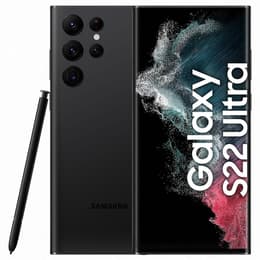
Galaxy S22 Ultra 5G
Galaxy S22 Ultra 5G
Starting at

Refurbished price:350.00

Versus €1,445.00 new

See options
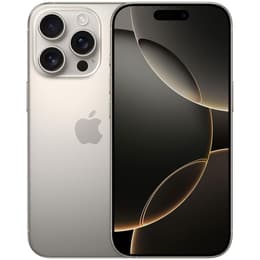
iPhone 16 Pro
iPhone 16 Pro
Starting at

Refurbished price:645.00

Versus €1,239.00 new

See options

Ratings

The Samsung Galaxy S22 Ultra 5G, released in February 2022, and the iPhone 16 Pro, launched in September 2024, represent flagship smartphones from their respective manufacturers. While both devices offer premium experiences, they cater to different ecosystems and user preferences. The Galaxy S22 Ultra integrates a stylus and runs on Android, offering extensive customization, whereas the iPhone 16 Pro operates on iOS, focusing on a streamlined user experience and tighter hardware-software integration. Key differentiators include their operating systems, the presence of an integrated stylus on the Samsung device, and distinct approaches to camera technology.

Scores

Durability

When considering the practical lifespan of these devices, their release timelines and software support play a significant role.

  • Release Timeline: The Galaxy S22 Ultra 5G was released in February 2022, making it an older device compared to the iPhone 16 Pro, which launched in September 2024.
  • Software Longevity: The iPhone 16 Pro, being a newer model, benefits from a longer expected period of major iOS updates, extending its software support further into the future. The Galaxy S22 Ultra, while still receiving updates, will reach its end-of-life for major Android versions sooner.
  • Repairability: The Galaxy S22 Ultra received a repairability score of 3 out of 10 from iFixit, indicating that it can be challenging to repair due to the extensive use of adhesive. Information regarding the iPhone 16 Pro's repairability score is not yet widely available, but Apple has historically focused on internal design for easier component replacement in its Pro models.

Year of Release

2022

2024

Compatible with latest Update

Yes

Yes

Foldable

No

No

Performance

Performance is a critical aspect for any smartphone, influencing how smoothly applications run and how efficiently tasks are handled.

  • System Responsiveness: The iPhone 16 Pro features a newer generation processor, which provides a noticeable boost in overall system responsiveness, making app launches and transitions feel fluid. The Galaxy S22 Ultra, powered by its respective processor (Snapdragon 8 Gen 1 or Exynos 2200 depending on region), delivers strong performance for everyday tasks and demanding applications, though some users have reported occasional thermal throttling during intensive use.
  • Multitasking and Gaming: The iPhone 16 Pro's advanced processor and optimized software allow for seamless multitasking and a highly responsive gaming experience, particularly with graphically intensive titles. The Galaxy S22 Ultra handles demanding apps and multitasking effectively, with its ample RAM supporting numerous open applications. However, some users have noted that sustained heavy workloads, such as extended gaming sessions, can lead to reduced performance.
  • Storage Options: Both devices offer a range of internal storage capacities, typically starting from 128GB and extending up to 1TB, providing ample space for applications, media, and documents. Neither device supports expandable storage via a microSD card.

Memory (GB)

8 GB

8 GB

Screen quality

The display is a primary interface for user interaction, and both devices offer high-quality viewing experiences with distinct characteristics.

  • Display Technology and Clarity: Both the Galaxy S22 Ultra and the iPhone 16 Pro feature OLED display technology, which delivers deep blacks and vibrant colors. The Galaxy S22 Ultra has a 6.8-inch Dynamic AMOLED 2X display with a resolution of 1440 x 3088 pixels, resulting in a sharp visual experience. The iPhone 16 Pro features a 6.3-inch OLED Super Retina XDR display with a resolution of 2622 x 1206 pixels, maintaining a high pixel density for clear visuals.
  • Brightness and Refresh Rate: The Galaxy S22 Ultra offers a peak brightness of 1750 nits and an adaptive refresh rate of up to 120Hz, ensuring smooth scrolling and good visibility in various lighting conditions. The iPhone 16 Pro's display has a typical SDR brightness of 1200 nits, an increase over its predecessor, and maintains a peak HDR brightness of 1600 nits, along with an adaptive refresh rate ranging from 1Hz to 120Hz for efficient power usage and fluid motion.
  • Screen Size and Design: The Galaxy S22 Ultra provides a larger 6.8-inch display, offering an expansive canvas for content consumption and productivity. The iPhone 16 Pro, while slightly larger than its direct predecessor at 6.3 inches, achieves this with notably thinner bezels, providing a more immersive viewing area within a manageable form factor.

Resolution

1440 x 3088

1206 x 2622

Screen type

Dynamic AMOLED 2X

LTPO Super Retina XDR OLED

Audiovisual

Both smartphones are equipped with advanced camera systems designed to capture high-quality photos and videos, though their configurations and features differ.

  • Rear Camera Systems: The Galaxy S22 Ultra features a versatile quad-camera setup, including a 108 MP main sensor, a 12 MP ultrawide lens, a 10 MP telephoto lens with 3x optical zoom, and a 10 MP periscope telephoto lens offering 10x optical zoom. The iPhone 16 Pro comes with a triple-lens system, featuring a 48 MP main camera, a 48 MP ultrawide camera with macro capabilities, and a 12 MP telephoto lens with 5x optical zoom.
  • Photography Features: The Galaxy S22 Ultra is highly praised for its zoom capabilities, allowing for detailed distant shots. The iPhone 16 Pro introduces a new Camera Control button, providing a dedicated physical control for photography, and its ultrawide camera has been upgraded to 48 MP, enhancing detail in wider shots and macro photography.
  • Video Recording and Audio: The Galaxy S22 Ultra supports video recording up to 8K at 24fps and 4K at 30/60fps. The iPhone 16 Pro offers advanced video capabilities, including recording up to 4K at 120fps, and features studio-quality microphones for improved audio capture.

Main camera

108 megapixels

48 megapixels

Front camera

40 megapixels

12 megapixels

Miscellaneous

Beyond core performance and display, several practical elements contribute to the overall user experience of these devices.

  • Connectivity and Ports: Both devices support 5G connectivity for fast mobile data. The Galaxy S22 Ultra includes Wi-Fi 6E and Bluetooth 5.2. The iPhone 16 Pro supports the newer Wi-Fi 7 standard and features a USB-C port, aligning with modern connectivity trends.
  • Biometric Security and Unique Features: The Galaxy S22 Ultra incorporates an ultrasonic under-display fingerprint sensor and is notable for its integrated S-Pen stylus, offering precise input for notes, drawing, and navigation. The iPhone 16 Pro relies on Face ID for biometric authentication and introduces a new customizable Action Button and a dedicated Camera Control button for quick access to camera functions.
  • Physical Characteristics: The Galaxy S22 Ultra has dimensions of 163.3 x 77.9 x 8.9 mm and weighs 228g, featuring a glass front and back with an aluminum frame. The iPhone 16 Pro is slightly more compact at 149.6 x 71.5 x 8.25 mm and weighs 199g, utilizing a titanium frame and Ceramic Shield front for enhanced durability.

Weight

228 g

199 g

Screen size (in)

6.8

6.3

Network

5G

5G

SIM card

Physical SIM + eSIM

eSIM

Carrier compatibility

Unlocked

Unlocked

Connector

USB-C

USB-C (USB 3)

The Samsung Galaxy S22 Ultra 5G and the iPhone 16 Pro cater to different user priorities, reflecting their distinct ecosystems and design philosophies. User feedback for the Galaxy S22 Ultra often highlights its exceptional camera, particularly the extensive zoom capabilities, and the unique productivity features offered by the integrated S-Pen. Some users, however, have noted mixed experiences with battery life, especially under heavy 5G usage, and occasional performance throttling.

The iPhone 16 Pro, as a more recent release, benefits from the latest advancements in processing power and camera technology, including a new Camera Control button and an upgraded ultrawide lens. Its larger display with thinner bezels and enhanced durability features are also notable improvements. While direct long-term user sentiment is still developing, iPhone Pro models are generally praised for their consistent performance, robust software support, and high-quality camera output.

Users prioritizing an integrated stylus for productivity, an expansive display, and advanced zoom photography may find the Galaxy S22 Ultra well-suited to their needs. Conversely, users who value a longer software support window, a dedicated physical camera button, a slightly more compact form factor with a larger screen-to-body ratio, and a highly optimized ecosystem may lean towards the iPhone 16 Pro. Both devices offer premium experiences, and choosing between them often comes down to individual preferences for operating system, specific features, and overall design. For those seeking an eco-friendly alternative, quality-assured refurbished options for both models can provide a sustainable choice.


See all articles

Our recent comparisons