

Compare models
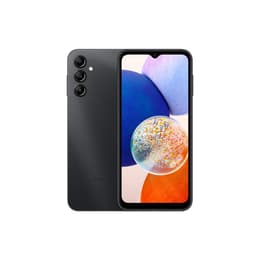
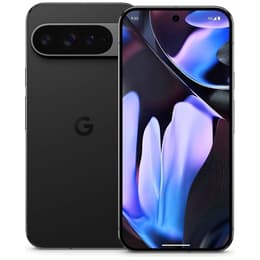
Galaxy A14 Vs Google Pixel 9 Pro XL
- 1-year minimum warranty
- Free delivery on all orders
- Free 30-day returns
Differences at a glance
The Samsung Galaxy A14 and the Google Pixel 9 Pro XL represent distinct offerings in the smartphone market, catering to different user priorities. The Galaxy A14, released in January 2023, is a device designed for essential smartphone functions and reliable everyday use. In contrast, the Google Pixel 9 Pro XL, launched in August 2024, is a premium device that emphasizes advanced computational photography, artificial intelligence capabilities, and a high-end user experience. Both devices operate on the Android platform, but they differ significantly in their hardware and software philosophies.
Available Models
Colour
Storage (GB)
Scores
Durability
The longevity of a smartphone is influenced by its build, software support, and component quality.
- Software Support: The Google Pixel 9 Pro XL offers an extended software commitment, with Google promising seven years of operating system and security updates from its August 2024 release. The Samsung Galaxy A14, released in January 2023, typically receives two major Android OS updates and four years of security updates, extending its support until approximately 2027. [8, 16, 17, 22]
- Build Materials: The Pixel 9 Pro XL features a more robust construction with Gorilla Glass Victus 2 on both the front and back, complemented by a polished metal frame. [13, 17, 25] The Galaxy A14 utilizes a plastic construction for its back and sides, with an unspecified glass type for the front. [8]
- Practical Lifespan: Users prioritizing long-term software support and a more durable physical build may find the Pixel 9 Pro XL to offer a longer practical lifespan. The Galaxy A14 provides a solid lifespan for its segment, suitable for users who typically upgrade their devices within a few years.
Year of Release
2023
2024
Compatible with latest Update
No
Yes
OS
Android
Android
Foldable
No
No
Performance
Performance differences between these two devices are notable, impacting how smoothly they handle various tasks.
- Processing Power: The Google Pixel 9 Pro XL is equipped with an advanced processor specifically designed to handle complex tasks, including demanding applications, advanced gaming, and on-device artificial intelligence features with efficiency. [9, 11, 16, 22, 23, 24, 26] The Samsung Galaxy A14 features a capable processor that manages everyday applications, web browsing, and light gaming effectively. [1, 6, 8, 19]
- Multitasking and Storage: The Pixel 9 Pro XL typically comes with 16GB of RAM, allowing for seamless multitasking and quick switching between numerous applications. [9, 11, 14, 22, 23, 24, 26] It offers various storage options up to 1TB, though it does not support expandable storage. [9, 11, 13, 14, 22, 23, 24] The Galaxy A14 is available with 4GB, 6GB, or 8GB of RAM and offers 64GB or 128GB of internal storage, which can be expanded using a microSD card. [1, 2, 3, 4, 6, 8, 12, 19]
- Battery Behavior: Both devices feature large battery capacities, with the Pixel 9 Pro XL having a 5060 mAh battery and the Galaxy A14 a 5000 mAh battery. [1, 2, 4, 8, 19, 22, 23, 24] The Pixel 9 Pro XL supports faster wired charging and wireless charging, including Qi2. [9, 26]
Screen quality
The visual experience differs significantly due to the display technologies and specifications employed by each device.
- Display Technology and Clarity: The Google Pixel 9 Pro XL features a 6.8-inch OLED display with a QHD+ resolution, providing exceptional clarity, deep blacks, and vibrant colors. [9, 11, 23, 24, 26] The Samsung Galaxy A14 has a 6.6-inch PLS LCD display with an FHD+ resolution, offering clear visuals suitable for general media consumption. [1, 2, 3, 4, 6, 8, 19]
- Brightness and Refresh Rate: The Pixel 9 Pro XL's display can reach a peak brightness of 3000 nits, ensuring excellent visibility even in bright outdoor conditions, and features a 120Hz refresh rate for smooth scrolling and responsive interactions. [9, 11, 23, 24, 26] The Galaxy A14 offers a 90Hz refresh rate for a smoother experience than standard displays and provides adequate brightness for typical indoor and outdoor use. [2, 6, 8]
- Viewing Experience: Users who prioritize a highly immersive and fluid visual experience for high-definition content, gaming, and outdoor use will find the Pixel 9 Pro XL's display more advanced. The Galaxy A14 provides a solid and enjoyable viewing experience for everyday tasks.
Resolution
1080 x 2408
1344 x 2992
Screen type
PLS LCD
LTPO OLED
Audiovisual
The camera systems of these smartphones are designed for different levels of photographic capability and versatility.
- Rear Camera System: The Google Pixel 9 Pro XL boasts a versatile triple-camera setup, including a 50MP main sensor, a 48MP ultrawide lens, and a 48MP telephoto lens with 5x optical zoom, capable of capturing detailed images across various scenarios. [9, 11, 16, 23, 24] The Samsung Galaxy A14 features a triple-camera system with a 50MP main sensor, complemented by 2MP macro and 2MP depth sensors, suitable for capturing everyday moments. [2, 3, 4, 6, 8, 19]
- Front Camera and Video: For selfies and video calls, the Pixel 9 Pro XL includes a high-resolution 42MP front camera and supports video recording up to 8K at 30fps. [11, 24] The Galaxy A14 has a 13MP front camera and records video up to 1080p at 30fps. [3, 8]
- Computational Photography: The Pixel 9 Pro XL leverages its advanced processor for sophisticated computational photography, enhancing image quality, low-light performance, and offering advanced editing features. The Galaxy A14 provides a straightforward photography experience with reliable results in good lighting conditions.
Main camera
50 megapixels
50 megapixels
Front camera
13 megapixels
42 megapixels
Miscellaneous
Beyond core specifications, several practical features and design elements differentiate these two devices.
- Connectivity and Ports: The Google Pixel 9 Pro XL supports the latest Wi-Fi 7 standard, Bluetooth 5.3, and includes satellite connectivity for emergency situations. It features a USB-C 3.2 port but omits a 3.5mm headphone jack. [9, 13, 14, 15, 18] The Samsung Galaxy A14 supports Wi-Fi 5, Bluetooth 5.1 or 5.2, and retains a 3.5mm headphone jack, alongside a USB-C 2.0 port. [3, 4, 6, 8]
- Biometric Security: The Pixel 9 Pro XL incorporates an in-display fingerprint sensor and face recognition for secure unlocking. [13, 18] The Galaxy A14 features a side-mounted fingerprint sensor. [2, 4, 6, 8]
- Design and Handling: The Pixel 9 Pro XL features a premium design with a matte glass back and polished metal edges, offering a substantial feel. [17, 25] The Galaxy A14 has a more utilitarian design with a plastic build, which can contribute to a lighter feel in hand. [8]
Weight
201 g
221 g
Screen size (in)
6.6
6.8
Network
4G
5G
SIM card
Dual Physical SIM
Physical SIM + eSIM
Carrier compatibility
Unlocked
Unlocked
What the community thinks
The Samsung Galaxy A14 and the Google Pixel 9 Pro XL cater to distinct user needs and preferences. The Galaxy A14 is frequently praised by users for its reliable battery life and its inclusion of a 3.5mm headphone jack, which is increasingly rare in modern smartphones. [8] Some users note its performance is suitable for daily tasks but can feel less responsive with more demanding applications. Its display, while clear, is not as vibrant or fluid as higher-end alternatives. [8]
Conversely, the Google Pixel 9 Pro XL receives consistent acclaim for its exceptional camera capabilities, particularly its computational photography features and low-light performance. [24] Users also highlight its long-term software support and the seamless integration of artificial intelligence features. [16, 17, 22] Criticisms sometimes point to its charging speeds not being the fastest compared to some competitors, and its premium build making it a heavier device. [24]
Users prioritizing a robust camera system, cutting-edge AI features, and extended software longevity will find the Google Pixel 9 Pro XL well-suited to their needs. Its advanced display and powerful processor make it ideal for multimedia consumption, gaming, and productivity. On the other hand, users seeking a dependable device for essential communication, social media, and light entertainment, who also value a headphone jack and expandable storage, may prefer the Samsung Galaxy A14. It offers a practical and straightforward smartphone experience. Both devices are available as quality-assured refurbished options, providing an eco-friendly alternative for consumers.