

Galaxy S21 Ultra 5G Vs Galaxy S23

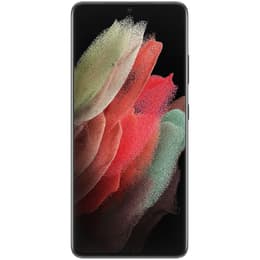
Galaxy S21 Ultra 5G
Galaxy S21 Ultra 5G
Starting at

Refurbished price:228.00

Versus €1,297.00 new

See options
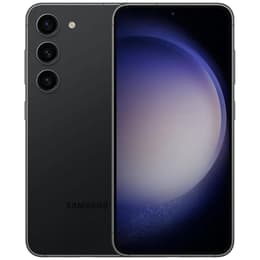
Galaxy S23
Galaxy S23
Starting at

Refurbished price:249.00

Versus €959.00 new

See options

Ratings

The Samsung Galaxy S21 Ultra 5G, released in January 2021, and the Samsung Galaxy S23, launched in February 2023, are both high-end Android smartphones from Samsung's flagship Galaxy S series. While both devices offer a premium experience, they differ significantly in their physical size, camera systems, and internal processing capabilities. The S21 Ultra 5G provides a larger display and a more comprehensive camera setup, whereas the S23 focuses on a more compact form factor and enhanced efficiency.

Scores

Durability

The practical lifespan of a smartphone is influenced by its release timeline and the duration of software support it receives.

  • Release Timeline: The Galaxy S21 Ultra 5G was released in January 2021, making it two years older than the Galaxy S23, which launched in February 2023. This age difference impacts their remaining software support. [5]
  • OS Support Duration: The Galaxy S21 Ultra 5G typically received four generations of Android OS upgrades and five years of security updates from its launch, with major OS updates likely concluding around Android 15 or 16, and security patches extending into early 2026. [5] In contrast, the Galaxy S23 launched with Android 13 and is promised four major OS upgrades (up to Android 17) and five years of security updates, extending its support until at least 2028. [4, 5]
  • Repairability: The Galaxy S21 Ultra 5G received a repairability score of 3 out of 10 from iFixit, indicating challenges due to extensive use of adhesive for components like the battery, display, and rear panel. [5] While specific detailed scores for the base S23 are less widely published, the S23 series generally showed some improvements in repairability compared to previous generations.

Year of Release

2021

2023

Compatible with latest Update

Yes

Yes

OS

Android

Android

Foldable

No

No

Performance

Performance in daily use is a key differentiator, influenced by internal components and their efficiency, impacting app loading, multitasking, and overall system responsiveness.

  • Storage Options and Speed: Both devices offer various internal storage options. The Galaxy S21 Ultra 5G comes with 128 GB, 256 GB, or 512 GB of storage, utilizing UFS 3.1 technology. [1] The Galaxy S23 also offers 128 GB, 256 GB, or 512 GB options; however, its 256 GB and higher variants utilize newer UFS 4.0 storage, which provides faster read and write speeds compared to the UFS 3.1 found in the S21 Ultra 5G and the 128 GB S23 model. [4, 5] This can result in quicker app installations and file transfers on the higher-capacity S23 models.
  • Battery Behavior: The Galaxy S21 Ultra 5G features a 5000 mAh battery, while the Galaxy S23 has a smaller 3900 mAh battery. [1, 2] Despite the smaller capacity, the Galaxy S23 often delivers comparable or even better battery life in typical use cases due to its more power-efficient processor. [10, 27] Users of the S21 Ultra 5G sometimes reported significant battery drain, especially with heavy usage or 5G connectivity. [23, 33] The S23's efficiency means it can often last a full day for many users, with some reporting extended usage. [10]
  • Processor Capabilities: The Galaxy S23 offers a notable improvement in processing power and efficiency. This translates to smoother operation, faster app loading, and more consistent performance during demanding tasks like gaming or intensive multitasking. The S21 Ultra 5G provides robust performance for everyday tasks, but the S23 handles sustained workloads with greater ease and less heat generation. [10]

Memory (GB)

12 GB

8 GB

Screen quality

Both smartphones feature Dynamic AMOLED 2X displays, known for their vibrant colors and deep blacks, but they differ in size, resolution, and peak brightness.

  • Display Technology and Clarity: The Galaxy S21 Ultra 5G features a larger 6.8-inch display with a higher resolution of 3200 x 1440 pixels, resulting in a pixel density of 515 ppi. [3, 19] The Galaxy S23 has a more compact 6.1-inch display with a resolution of 2340 x 1080 pixels, offering a pixel density of 425 ppi. [2, 30] While the S21 Ultra 5G offers a slightly sharper image, both displays provide excellent clarity for typical viewing. [5]
  • Brightness Levels: The Galaxy S23 offers a higher peak brightness of 1750 nits, which can improve outdoor visibility and HDR content viewing, especially in bright conditions. [4, 5] The S21 Ultra 5G has a peak brightness of 1500 nits, which is still bright for most environments. [17]
  • Refresh Rate and Smoothness: Both devices feature an adaptive refresh rate of up to 120Hz, providing smooth scrolling and responsive interactions. [3, 4] The S23 can dynamically adjust its refresh rate down to 1Hz for static content, which can contribute to battery efficiency, whereas the S21 Ultra 5G typically operates between 10Hz and 120Hz. [10, 17]

Resolution

1440 x 3200

1080 x 2340

Screen type

Dynamic AMOLED 2X

Dynamic AMOLED 2X

Audiovisual

The camera systems on both devices offer versatile photography and videography capabilities, though they approach imaging with different hardware configurations and processing.

  • Rear Camera Systems: The Galaxy S21 Ultra 5G features a quad-camera setup, including a 108MP main sensor, a 12MP ultrawide, a 10MP telephoto lens with 3x optical zoom, and a 10MP periscope telephoto lens with 10x optical zoom. [3, 14] The Galaxy S23 has a triple-camera system with a 50MP main sensor, a 12MP ultrawide, and a 10MP telephoto lens with 3x optical zoom. [9, 13] The S21 Ultra 5G offers greater optical zoom versatility with its dual telephoto lenses.
  • Low-Light and Everyday Photography: The Galaxy S23 benefits from improved image processing and a more efficient sensor, often resulting in better low-light performance and more natural color reproduction compared to the S21 Ultra 5G. [37] While the S21 Ultra 5G's 108MP sensor captures a high level of detail, the S23's processing can yield sharper and more balanced images in various conditions. [37, 38]
  • Video Recording and Front Camera: Both devices are capable of high-resolution video recording, including 8K at up to 30 frames per second on the S23 and 24 frames per second on the S21 Ultra 5G. [14, 37] The S21 Ultra 5G features a 40MP front camera, while the S23 has a 12MP front camera. [1, 9] Despite the lower megapixel count, the S23's front camera often produces more natural tones and improved detail in selfies. [28, 37]

Main camera

108 megapixels

50 megapixels

Front camera

40 megapixels

12 megapixels

Miscellaneous

Beyond core performance, several practical elements contribute to the overall user experience, including connectivity, physical design, and additional features.

  • Connectivity Options: Both devices support 5G connectivity and Wi-Fi 6e for fast wireless internet. [19, 34] The Galaxy S23 features Bluetooth 5.3, offering minor improvements in stability and efficiency over the S21 Ultra 5G's Bluetooth 5.2. [12, 34] Both utilize USB-C for charging and data transfer. [12]
  • Weight and Dimensions: The Galaxy S21 Ultra 5G is a larger and heavier device, measuring 165.1 x 75.6 x 8.9 mm and weighing 227 grams. [8, 30] The Galaxy S23 is significantly more compact and lighter at 146.3 x 70.9 x 7.6 mm and 167 grams, making it easier for one-handed use and pocketability. [8, 30]
  • Build Materials and Durability Features: Both phones feature an aluminum frame and are rated IP68 for dust and water resistance. [3, 17] The S21 Ultra 5G uses Gorilla Glass Victus for its front and back panels. [19] The S23 incorporates Gorilla Glass Victus 2, which offers enhanced durability, particularly against drops on rough surfaces. [17]

Weight

227 g

167 g

Screen size (in)

6.8

6.1

Network

5G

5G

SIM card

Physical SIM + eSIM

Physical SIM + eSIM

Carrier compatibility

Unlocked

Unlocked

Users often praise the Galaxy S21 Ultra 5G for its expansive display and highly versatile camera system, particularly its dual telephoto lenses that offer extensive zoom capabilities. Some common criticisms included its large size and weight, and for some users, inconsistent battery performance and occasional software glitches. [23, 24, 31, 33]

The Galaxy S23, on the other hand, is frequently lauded for its more compact and manageable form factor, improved processing efficiency leading to better sustained performance and battery life, and enhanced low-light camera capabilities. Criticisms sometimes point to its smaller screen size compared to the S21 Ultra 5G, and some users reported initial software issues like Wi-Fi connectivity problems or camera shutter lag, though many of these were addressed through updates. [7, 18, 25, 26, 29]

Users prioritizing a larger screen and a highly flexible optical zoom system may find the Galaxy S21 Ultra 5G well-suited to their needs. Conversely, users who value a more compact device, extended software support, and improved overall efficiency for daily tasks and low-light photography may lean toward the Galaxy S23. Both devices offer a robust Android experience, and choosing between them often comes down to a preference for size and specific camera features versus overall modern efficiency and longevity. For those considering either model, exploring quality-assured refurbished options can provide a sustainable choice.


See all articles

Our recent comparisons