
Samsung

Compare models
Differences at a glance
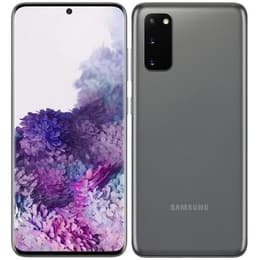
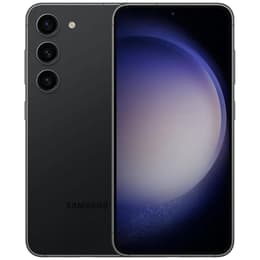
The Samsung Galaxy S20, released in March 2020, and the Samsung Galaxy S23, launched in February 2023, represent different generations within Samsung's flagship smartphone series. While both devices offer a premium Android experience, the Galaxy S23 benefits from three years of technological advancements, particularly in processing power, camera capabilities, and extended software support. This comparison will explore the practical differences between these two models to help users make an informed decision.
Colour
Storage
The Galaxy S20 and Galaxy S23 differ significantly in their expected software longevity and physical resilience, impacting long-term usability.
Year of Release
Compatible with latest Update
OS
Foldable
The three-year gap between the Galaxy S20 and the Galaxy S23 brings notable advancements in processing power and overall system efficiency, influencing daily performance.
Both the Galaxy S20 and the Galaxy S23 offer high-quality display experiences, but key differences exist in their specifications and practical viewing.
Resolution
Screen type
The camera systems of the Galaxy S20 and Galaxy S23 reflect advancements over three generations, particularly in sensor technology and image processing.
Main camera
Front camera
Beyond core specifications, several practical elements differentiate the Galaxy S20 and S23, influencing daily convenience and future compatibility.
Weight
Screen size (in)
Network
SIM card
Carrier compatibility
The Samsung Galaxy S20 and Galaxy S23, while both capable smartphones, cater to different user priorities due to their generational differences. Users often praise the Galaxy S20 for its vibrant, high-resolution display and its overall performance for everyday tasks, especially considering its earlier release. However, common criticisms for the S20 often revolve around its battery life, particularly when the 120Hz refresh rate is active, and its software support has now concluded.
The Galaxy S23, on the other hand, receives consistent praise for its significantly improved processing power, leading to a smoother and more responsive user experience across demanding applications. Its camera system is also a highlight, offering better low-light performance, enhanced video stabilization, and more consistent image quality. Users frequently note the S23's improved battery endurance, despite a similar battery capacity, thanks to greater efficiency.
Users prioritizing long-term software support, cutting-edge performance for gaming or intensive tasks, and advanced camera capabilities, especially in challenging lighting, may find the Galaxy S23 better suited to their needs. Conversely, users who value a slightly larger, higher-resolution display and are content with an older software experience for general use might still find the Galaxy S20 a viable option. For those considering either device, exploring quality-assured refurbished options can provide an eco-friendly alternative.