
iPhone

Compare models
Differences at a glance
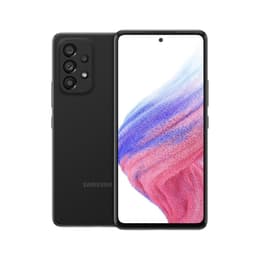
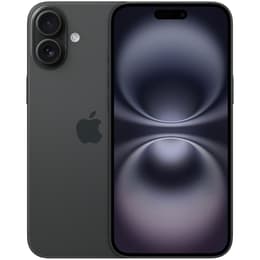
The Samsung Galaxy A53 5G, released in March 2022, and the Apple iPhone 16 Plus, launched in September 2024, represent distinct approaches to smartphone design and functionality. While both devices offer robust connectivity and capable camera systems, they cater to different user preferences through their respective operating systems and hardware philosophies. The Galaxy A53 5G operates on Android, providing a customizable experience, whereas the iPhone 16 Plus runs on Apple's iOS, known for its integrated ecosystem and user-friendly interface. Key differentiators include their release timelines, processing power, and specific camera capabilities.
Colour
Storage
When considering the longevity of these devices, their release dates and software support policies are primary factors. The Galaxy A53 5G, having been released in 2022, benefits from Samsung's commitment to providing four generations of Android OS upgrades and five years of security updates, meaning it is expected to receive updates until 2027 for OS and 2028 for security. The iPhone 16 Plus, a 2024 model, typically receives software support for a longer duration, often extending for five to seven years from its release, potentially until 2031 or later.
Year of Release
Compatible with latest Update
Foldable
The performance of a smartphone is largely determined by its internal processing capabilities and how efficiently it manages tasks. The iPhone 16 Plus, with its newer internal processor, offers a significant advantage in raw computing power and efficiency compared to the Galaxy A53 5G.
The visual experience on both devices is delivered through vibrant displays, though there are differences in their underlying technology and capabilities. Both phones feature large screens suitable for media consumption and daily tasks.
Resolution
Screen type
Both the Galaxy A53 5G and the iPhone 16 Plus offer versatile camera systems designed to capture a range of photographic and video content. The iPhone 16 Plus benefits from newer sensor technology and computational photography advancements, while the Galaxy A53 5G provides a comprehensive quad-camera setup.
Main camera
Front camera
Beyond core performance and display, several practical features and design elements differentiate these two smartphones, impacting daily usability and overall experience.
Weight
Screen size (in)
Network
SIM card
Carrier compatibility
Connector
The Samsung Galaxy A53 5G and the iPhone 16 Plus cater to users with differing priorities, largely due to their operating systems and the two-year gap in their release. Users frequently praise the Galaxy A53 5G for its vibrant Super AMOLED display, long-lasting battery, and the flexibility of expandable storage. Some common criticisms for the A53 5G include its processor performance not always feeling as snappy as higher-end devices, and its plastic build, though durable, may not feel as premium to some.
The iPhone 16 Plus is often lauded for its powerful and efficient processor, excellent camera system with advanced features, and the seamless integration within the Apple ecosystem. User feedback sometimes points to the 60Hz refresh rate as a potential drawback compared to other modern smartphones, and the USB-C port's data transfer speeds are noted as being standard rather than high-speed.
Users prioritizing a highly customizable Android experience, expandable storage, and a strong battery life may find the Galaxy A53 5G well-suited to their needs. Conversely, users who value a powerful and responsive operating system, a consistently high-quality camera, and a longer software support window will likely lean towards the iPhone 16 Plus. Both devices offer reliable performance for daily use, and choosing between them often comes down to a preference for either the Android or iOS ecosystem. For those seeking an eco-friendly alternative, both models are available as quality-assured refurbished options, providing a sustainable choice without compromising on functionality.