

Google Pixel 6A Vs iPhone 16e

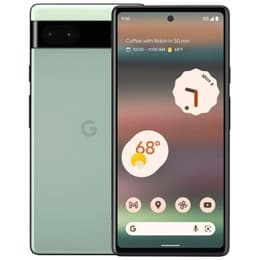
Google Pixel 6A
Google Pixel 6A
Starting at

Refurbished price:143.00

Versus €459.00 new

See options
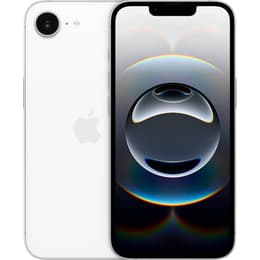
iPhone 16e
iPhone 16e
Starting at

Refurbished price:387.00

Versus €719.00 new

See options

Ratings

The Google Pixel 6A, released in July 2022, and the iPhone 16E, launched in February 2025, represent different approaches to smartphone design and functionality from their respective manufacturers. While the Pixel 6A operates on the Android ecosystem, the iPhone 16E runs on Apple's iOS, offering distinct user experiences. The primary differentiators between these two devices lie in their processing power, camera capabilities, and long-term software support, reflecting the technological advancements over their differing release timelines.

Scores

Durability

Comparing the longevity of these devices involves looking at their release dates, software support policies, and physical durability features.

  • Release Timeline and Age: The Google Pixel 6A was released in July 2022, making it an older model compared to the iPhone 16E, which launched in February 2025. This age difference inherently means the iPhone 16E benefits from more recent technological advancements and a longer potential support window from its release date.
  • OS Support Duration: The Pixel 6A is expected to receive OS updates until at least July 2025 and security updates until at least July 2027. In contrast, Apple typically provides major iOS updates for approximately five to seven years, with security updates often extending even longer. Given its 2025 release, the iPhone 16E is likely to receive major iOS updates well into the early 2030s, offering a longer period of new features and security patches.
  • Repairability and Durability: The Pixel 6A features an aluminum frame and a plastic back, with its display protected by Corning Gorilla Glass 3. It holds an IP67 rating for dust and water resistance, meaning it can withstand immersion in up to 1 meter of water for a short period. The iPhone 16E, being a newer device, incorporates Ceramic Shield front cover technology and an aluminum case, along with an IP68 rating, providing enhanced resistance to dust and water immersion at greater depths and for longer durations.

Year of Release

2022

2025

OS

Android

iOS

Foldable

No

No

Performance

The performance of a smartphone is largely determined by its internal components, impacting how smoothly applications run and how efficiently tasks are handled.

  • Processor Capabilities: The Google Pixel 6A is powered by the Google Tensor chip, which enables efficient handling of everyday tasks and Google's computational photography features. The iPhone 16E, released later, features the Apple A18 Bionic chip, which offers significant advancements in processing power and efficiency. This newer chip allows the iPhone 16E to manage demanding applications and complex operations with greater responsiveness.
  • Multitasking and Responsiveness: The Pixel 6A comes with 6GB of RAM, which supports smooth multitasking for typical user scenarios. The iPhone 16E is equipped with 8GB of RAM, contributing to more fluid transitions between multiple open applications and improved performance in memory-intensive tasks. Users who frequently switch between numerous applications or engage in heavy mobile gaming may notice the difference in responsiveness.
  • Storage Options: The Pixel 6A offers 128GB of internal storage. The iPhone 16E provides more flexibility with storage options, including 128GB, 256GB, and 512GB, catering to users with varying storage needs for apps, photos, and videos. Neither device offers expandable storage via a microSD card.

Memory (GB)

6 GB

8 GB

Screen quality

The display is a primary interface for smartphone interaction, and differences in screen technology and specifications can significantly impact the visual experience.

  • Display Technology and Resolution: Both the Google Pixel 6A and the iPhone 16E feature OLED displays, known for their deep blacks and vibrant colors. The Pixel 6A has a 6.1-inch OLED screen with a 1080 x 2400 pixel resolution. The iPhone 16E also sports a 6.1-inch Super Retina OLED XDR display, offering a comparable resolution and visual clarity.
  • Refresh Rate and Smoothness: The Pixel 6A's display operates at a standard 60Hz refresh rate. The iPhone 16E also maintains a 60Hz refresh rate, which provides a consistent viewing experience for most content. For everyday scrolling and video playback, both displays offer a smooth visual experience.
  • Brightness Levels: The iPhone 16E's display offers a maximum brightness of 800 nits for typical use and can reach 1200 nits for peak HDR content. This allows for better visibility in bright outdoor conditions and a more impactful HDR viewing experience compared to the Pixel 6A, which has a lower typical brightness.

Resolution

1080 x 2400

2532x1170

Audiovisual

Camera systems are a key consideration for many smartphone users, with both hardware and software playing crucial roles in image and video capture.

  • Rear Camera System: The Google Pixel 6A features a dual-camera setup on the rear, consisting of a 12.2-megapixel main sensor with optical image stabilization (OIS) and a 12-megapixel ultrawide lens. Its camera performance is often praised for its computational photography, producing detailed and color-accurate images in various conditions. The iPhone 16E comes with a single 48-megapixel main camera, which benefits from a larger sensor and more advanced image processing capabilities.
  • Low-Light and Everyday Photography: Both devices are capable of producing good results in well-lit conditions. The Pixel 6A's Night Sight mode enhances low-light performance, though the viewfinder might appear grainy before processing. The iPhone 16E's larger main sensor and newer processing are designed to offer improved low-light performance and overall detail capture.
  • Video Recording and Front Camera: The Pixel 6A can record 4K video at 30 or 60 frames per second (fps) and features an 8-megapixel front camera capable of 1080p video. The iPhone 16E also supports 4K video recording and includes a 12-megapixel front camera, which can record 4K video at 60fps.

Front camera

8 megapixels

TrueDepth 12MP

Miscellaneous

Beyond core performance and display, several practical features contribute to the overall user experience and device utility.

  • Connectivity Options: Both the Google Pixel 6A and the iPhone 16E support 5G cellular connectivity. The Pixel 6A includes Wi-Fi 6E and Bluetooth 5.2. The iPhone 16E features Wi-Fi 6 and Bluetooth 5.3, along with an Apple C1 modem for 5G, which supports 6GHz bands but not mmWave.
  • Ports and Biometrics: The Pixel 6A uses a USB-C 3.1 port for charging and data transfer and features an in-display fingerprint sensor for biometric authentication. The iPhone 16E has transitioned to a USB-C port and relies on Face ID for secure unlocking and authentication. It also includes an Action Button, which can be customized for various functions.
  • Weight and Dimensions: The Pixel 6A measures 152.2 x 71.8 x 8.9 mm and weighs 178 grams. The iPhone 16E is slightly more compact and lighter, with dimensions of 146.7 x 71.5 x 7.8 mm and a weight of 167 grams. These differences can influence the in-hand feel and portability of each device.

Weight

178 g

167 g

Screen size (in)

6.1

6.1

Network

5G

5G

SIM card

Physical SIM + eSIM

eSIM

Carrier compatibility

Unlocked

Unlocked

Connector

USB-C

USB-C

The Google Pixel 6A and the iPhone 16E cater to users with different priorities, largely due to their release timelines and operating systems. The Pixel 6A, a 2022 release, is often praised for its camera's computational photography capabilities, delivering consistent image quality even with older hardware. Users have noted its generally good battery life for a day of use, though some report idle draining. Criticisms sometimes point to its 60Hz display and slower charging speeds compared to some contemporaries.

The iPhone 16E, released in 2025, benefits from more recent advancements, offering a more powerful processor and an enhanced main camera. Users appreciate its extended software support, robust durability features like Ceramic Shield, and the integration of Apple Intelligence. Its battery life is also highlighted as a strong point for a 6.1-inch iPhone. Some potential drawbacks for certain users might include the absence of an ultrawide camera and the continued presence of a display notch, rather than a Dynamic Island.

Users prioritizing a device with a strong focus on computational photography and a pure Android experience may find the Pixel 6A well-suited to their needs. Those who value a longer software support window, a more powerful and efficient processor, and the Apple ecosystem will likely lean toward the iPhone 16E. For individuals seeking a quality-assured refurbished option, both models can offer a sustainable choice, extending the life cycle of these devices and providing access to their respective strengths.


See all articles

Our recent comparisons