

Galaxy S10e Vs iPhone XS

Galaxy S10e
Galaxy S10e
Starting at

Refurbished price:121.00

Versus €759.00 new

See options
iPhone XS
iPhone XS
Starting at

Refurbished price:128.00

Versus €489.00 new

See options

Ratings

The Samsung Galaxy S10e (2019) and the iPhone Xs (2018) are compact flagship smartphones that offer distinct experiences based on their respective operating systems. While the iPhone Xs, released in September 2018, features Apple's iOS ecosystem, the Galaxy S10e, launched in March 2019, runs on Android. Both devices aim to deliver a premium smartphone experience in a smaller form factor, with key differences emerging in their camera systems and display technologies.

Scores

Durability

When considering the long-term usability of these devices, their release timelines and software support are important factors.

  • Release Timeline: The iPhone Xs was released in September 2018, making it slightly older than the Galaxy S10e, which launched in March 2019. This six-month difference can impact the duration of software updates.
  • Software Longevity: The iPhone Xs shipped with iOS 12 and has received updates up to iOS 18.7.7 as of March 2026, indicating a long support cycle typical for Apple devices. However, it cannot install newer iOS versions due to hardware limitations. The Galaxy S10e launched with Android 9.0 Pie and has received updates up to Android 12.
  • Durability Features: Both phones offer IP68 water and dust resistance, meaning they can withstand submersion in water up to 1.5-2 meters for 30 minutes. The iPhone Xs features durable glass and surgical-grade stainless steel, while the Galaxy S10e uses Gorilla Glass 5 on its front.

Year of Release

2019

2018

Compatible with latest Update

No

Yes

OS

Android

iOS

Foldable

No

No

Performance

Both the iPhone Xs and Galaxy S10e were designed to offer robust performance for their time, handling daily tasks and demanding applications efficiently.

  • Processing Capabilities: The iPhone Xs is equipped with a powerful chip that provides smooth operation for applications and multitasking. The Galaxy S10e features an octa-core processor, either an Exynos or Snapdragon variant depending on the region, which also ensures responsive performance across various tasks.
  • Multitasking and Storage: The iPhone Xs comes with 4 GB of RAM, while the Galaxy S10e offers 6 GB or 8 GB of RAM, which can provide a slight edge in managing multiple applications simultaneously. The Galaxy S10e also offers expandable storage via a microSD card, a feature not present on the iPhone Xs.
  • Battery Behavior: The iPhone Xs has a 2658 mAh battery, and users often report it lasting through a workday with intensive use, achieving around 4.5 hours of screen-on time. The Galaxy S10e has a larger 3100 mAh battery, though some reviews indicate its battery life can be inconsistent, with some users needing to charge before the end of a full day, while others find it sufficient with adjustments.

Memory (GB)

6 GB

4 GB

Screen quality

Both devices feature high-quality displays, but they utilize different technologies and design approaches.

  • Display Technology and Clarity: The iPhone Xs features a 5.8-inch Super Retina HD OLED display, known for its deep blacks, vibrant colors, and a resolution of 2436 x 1125 pixels at 458 ppi. The Galaxy S10e also has a 5.8-inch Dynamic AMOLED Infinity-O display with a Full HD+ resolution of 2280 x 1080 pixels at 438 ppi, offering excellent contrast and brightness.
  • Brightness and Outdoor Visibility: Both screens offer good brightness levels for outdoor use. The Galaxy S10e can reach a peak brightness of 603 nits, while the iPhone Xs typically achieves 625 nits, ensuring good legibility in various lighting conditions.
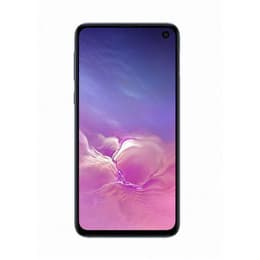
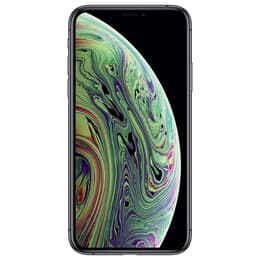
  • Design and Viewing Experience: The iPhone Xs features a notch at the top of its display, while the Galaxy S10e opts for a punch-hole cutout for its front camera, which some users may prefer for a less interrupted viewing area. The Galaxy S10e's display is flat, unlike the curved edges found on some other Galaxy models.

Resolution

1080 x 2280

1125 x 2436

Screen type

Dynamic AMOLED

Super Retina OLED

Audiovisual

The camera systems on both the iPhone Xs and Galaxy S10e are capable of capturing quality images and videos, though they have different strengths and configurations.

  • Rear Camera Configuration: The iPhone Xs features a dual-camera system on the rear, consisting of a 12 MP wide-angle lens (ƒ/1.8) and a 12 MP telephoto lens (ƒ/2.4), offering 2x optical zoom. The Galaxy S10e also has a dual-camera setup, with a 12 MP wide-angle lens (f/1.5-2.4) and a 16 MP ultrawide lens (f/2.2), providing a broader field of view but lacking a dedicated telephoto lens.
  • Photography Performance: Both devices perform well in good lighting conditions, producing images with good detail and color. The iPhone Xs includes Smart HDR for improved dynamic range. The Galaxy S10e's ultrawide lens is useful for fitting more into the frame, though its low-light performance can sometimes result in muddy images. The iPhone Xs was noted for not having a dedicated night mode, which was introduced in later iPhone models.
  • Video Recording and Audio: Both phones support 4K video recording, with the iPhone Xs capable of 4K at up to 60 fps and stereo audio recording. The Galaxy S10e also records 4K video at 60fps and includes a Super Steady feature for smoother video, particularly at Full HD resolution. Both devices offer stereo speakers for media consumption.

Main camera

12 megapixels

12 megapixels

Front camera

10 megapixels

7 megapixels

Miscellaneous

Beyond core features, several practical elements differentiate the user experience of these two smartphones.

  • Connectivity and Ports: Both devices support modern connectivity standards including 4G LTE, Wi-Fi (802.11ac for iPhone Xs, 802.11ax for S10e), and Bluetooth 5.0. The iPhone Xs uses a Lightning port, while the Galaxy S10e features a USB-C port. A notable difference is the presence of a 3.5mm headphone jack on the Galaxy S10e, which is absent on the iPhone Xs.
  • Biometric Security: The iPhone Xs relies on Face ID for secure facial recognition. The Galaxy S10e features a side-mounted fingerprint sensor integrated into the power button, along with face unlock capabilities.
  • Physical Design and Handling: The iPhone Xs measures 143.6 x 70.9 x 7.7 mm and weighs 177 grams. The Galaxy S10e is slightly more compact and lighter at 142.2 x 69.9 x 7.9 mm and 150 grams, making it a very pocketable device.

Weight

150 g

177 g

Screen size (in)

5.8

5.8

Network

4G

4G

SIM card

Physical SIM

Physical SIM + eSIM

Carrier compatibility

Unlocked

Unlocked

Connector

USB-C + Jack 3.5mm

Lightning

The iPhone Xs and Samsung Galaxy S10e, while both compact flagship smartphones from their respective eras, cater to slightly different user preferences. User feedback for the iPhone Xs often praises its consistent performance, the quality of its OLED display, and the reliability of its Face ID system. Some common criticisms include its relatively slower charging speed with the included charger and the absence of a headphone jack.

For the Galaxy S10e, users frequently highlight its comfortable, one-handed design, the vibrant Dynamic AMOLED display, and the inclusion of a headphone jack and expandable storage. However, some users have noted that its battery life can be inconsistent, and its low-light camera performance might not always match competitors.

Users prioritizing a consistent software experience, strong security through facial recognition, and a robust app ecosystem may find the iPhone Xs well-suited to their needs. Conversely, those who value a more compact and lighter device, the flexibility of expandable storage, a traditional headphone jack, and the customizability of the Android operating system may lean towards the Galaxy S10e. Both devices offer a quality-assured refurbished option, providing an eco-friendly alternative for those looking to make an informed and sustainable choice.


See all articles

Our recent comparisons