

Galaxy S10 Vs iPhone 14

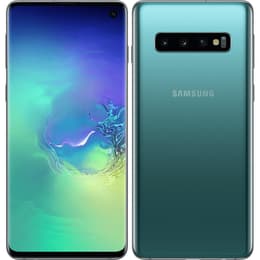
Galaxy S10
Galaxy S10
Starting at

Refurbished price:114.00

Versus €549.00 new

See options
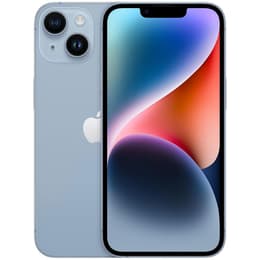
iPhone 14
iPhone 14
Starting at

Refurbished price:287.25

Versus €759.00 new

See options

Ratings

The Samsung Galaxy S10, released in March 2019, and the Apple iPhone 14, launched in September 2022, represent different generations and operating systems within the smartphone landscape. While both offer a premium mobile experience, they diverge significantly in their core software, hardware capabilities, and overall ecosystem. The iPhone 14 introduces more recent advancements in processing power, camera technology, and safety features, whereas the Galaxy S10 provides a different set of functionalities, including a more open Android environment.

Scores

Durability

The expected practical lifespan of these devices varies considerably due to their release dates and manufacturer support policies.

  • Release Timeline and Age: The Galaxy S10 was released in March 2019, making it a significantly older device compared to the iPhone 14, which launched in September 2022. This age difference directly impacts their software longevity.
  • OS Support Duration: The Galaxy S10 received its last major Android operating system update, Android 12, in early 2022, and major security updates for most models concluded around March 2023. In contrast, the iPhone 14, running on iOS, is expected to receive major iOS updates until approximately 2028, with Apple typically providing 5 to 7 years of major software updates and extended security patches.
  • Physical Durability: Both devices feature an IP68 rating for water and dust resistance, indicating a similar level of protection against environmental elements. The iPhone 14 also incorporates Ceramic Shield on its front display for enhanced drop protection.

Year of Release

2019

2022

Compatible with latest Update

No

Yes

OS

Android

iOS

Foldable

No

No

Performance

Performance is a key differentiator, with the newer iPhone 14 offering a more contemporary and robust experience compared to the Galaxy S10.

  • Everyday Task Handling: The iPhone 14 handles demanding applications, complex multitasking, and graphic-intensive games with notable smoothness and responsiveness, thanks to its advanced internal components. The Galaxy S10, while powerful for its release era, may exhibit slower app loading times and less fluid multitasking when running the latest applications, reflecting its older hardware.
  • Battery Behavior: Users of the iPhone 14 often report that its battery reliably lasts through a full day of typical usage, contributing to a consistent daily experience. The Galaxy S10, being an older device, may show signs of battery degradation, potentially requiring more frequent charging for heavy users.
  • Storage and Multitasking: Both devices offer various internal storage configurations, including 128GB, 256GB, and 512GB options. The Galaxy S10 also provides the flexibility of expandable storage via a microSD card, a feature not present in the iPhone 14. While the Galaxy S10 launched with 8GB of RAM and the iPhone 14 with 6GB, the efficiency of their respective operating systems means both are capable of managing multiple applications, though the iPhone 14 generally offers a more optimized multitasking experience.

Memory (GB)

8 GB

6 GB

Screen quality

Both smartphones offer high-quality displays, but there are distinctions in their technology and visual characteristics.

  • Display Technology and Clarity: The Galaxy S10 features a 6.1-inch Dynamic AMOLED display with a resolution of 1440x3040 pixels, providing a very sharp and detailed viewing experience. The iPhone 14 also has a 6.1-inch display, utilizing a Super Retina XDR OLED panel with a resolution of 1170x2532 pixels, known for its excellent color accuracy and deep blacks. Both OLED technologies deliver vibrant colors and high contrast.
  • Brightness and Refresh Rate: The iPhone 14's display offers higher peak brightness, which can improve visibility in bright outdoor conditions. Both devices feature a standard 60Hz refresh rate, meaning the screen updates 60 times per second.
  • Design and Viewing Experience: The Galaxy S10 features a curved display, which contributes to a more immersive edge-to-edge feel. The iPhone 14 has a flat display with a notch at the top, which houses the front camera and sensors.

Resolution

1440 x 3040

1170 x 2532

Screen type

Dynamic AMOLED

Super Retina XDR OLED

Audiovisual

The camera systems on the Galaxy S10 and iPhone 14 offer different strengths, reflecting their respective design philosophies and technological advancements.

  • Rear Camera System: The Galaxy S10 is equipped with a versatile triple-camera setup on the rear, including a 12-megapixel wide lens, a 12-megapixel telephoto lens, and a 16-megapixel ultrawide lens, providing optical zoom capabilities. The iPhone 14 features a dual-camera system with a 12-megapixel wide lens and a 12-megapixel ultrawide lens.
  • Photography Performance: The iPhone 14 generally excels in low-light photography and offers advanced computational photography features, resulting in detailed and well-exposed images across various conditions. The Galaxy S10, while capable of producing good photos in adequate lighting, may not match the low-light performance of the newer iPhone.
  • Video Recording and Front Camera: The iPhone 14 includes features like Cinematic Mode for video recording, allowing for depth-of-field effects. Both devices are capable of high-quality video capture. For selfies and video calls, the Galaxy S10 has a 10-megapixel front camera, while the iPhone 14 features a 12-megapixel front camera.

Main camera

12 megapixels

12 megapixels

Front camera

10 megapixels

12 megapixels

Miscellaneous

Beyond core specifications, several practical elements differentiate the user experience between these two smartphones.

  • Connectivity Standards: The iPhone 14 supports 5G cellular networks, offering faster data speeds in compatible areas, along with Wi-Fi 6 and Bluetooth 5.3. The Galaxy S10 supports 4G LTE networks, Wi-Fi 6, and Bluetooth 5.0.
  • Charging and Data Ports: The Galaxy S10 utilizes a universal USB-C port for charging and data transfer, and notably includes a 3.5mm headphone jack, providing direct audio connectivity. The iPhone 14 uses Apple's proprietary Lightning port and does not feature a headphone jack.
  • Biometric Security: For unlocking and secure authentication, the Galaxy S10 incorporates an ultrasonic in-display fingerprint sensor. The iPhone 14 relies on Face ID, an advanced facial recognition system.
  • Additional Features: The iPhone 14 includes advanced safety features such as Emergency SOS via Satellite and Crash Detection. The Galaxy S10 offers Wireless PowerShare, allowing it to wirelessly charge other compatible devices.

Weight

158 g

172 g

Screen size (in)

6.1

6.1

Network

4G

5G

SIM card

Physical SIM

Physical SIM + eSIM

Carrier compatibility

Unlocked

Unlocked

User sentiment often highlights distinct advantages for each device. For the Galaxy S10, common praise points include the presence of a 3.5mm headphone jack, expandable storage via microSD, and a versatile camera setup that was advanced for its release year. However, frequent criticisms revolve around its older software, which no longer receives major Android updates, and potential battery degradation over time.

The iPhone 14 is frequently lauded for its long-term software support from Apple, robust performance for demanding tasks, an excellent camera system with advanced features, and a well-integrated ecosystem. Users also appreciate its generally strong battery life. Conversely, common concerns include the absence of a headphone jack, the lack of expandable storage, and the continued use of the Lightning port instead of a more universal USB-C connection.

Users prioritizing long-term software support, advanced camera capabilities, and overall system longevity may find the iPhone 14 well-suited to their needs. Its newer hardware and extended update cycle offer a more future-proof experience. Conversely, individuals who value legacy features such as a physical headphone jack, expandable storage, and prefer the Android operating system's flexibility might lean towards the Galaxy S10. For those seeking a quality-assured refurbished option, both models are available, offering an eco-friendly alternative to purchasing new.
See all articles

Our recent comparisons






