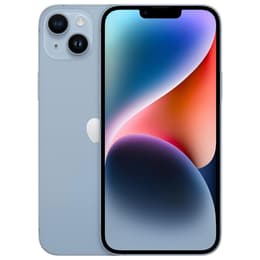
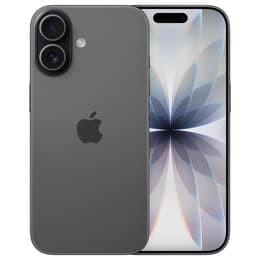


iPhone 14 Plus Vs iPhone 17

iPhone 14 Plus
iPhone 14 Plus
Starting at

Refurbished price:317.00

Versus €879.00 new

See options
iPhone 17
iPhone 17
Starting at

Refurbished price:704.00

Versus €979.00 new

See options

Ratings

The iPhone 14 Plus, released in October 2022, and the anticipated iPhone 17, expected in late 2025 or early 2026, represent different generations of Apple's smartphone offerings. While both aim to deliver a premium user experience, the iPhone 17 is poised to introduce significant advancements in processing power, display technology, and camera capabilities, reflecting several years of technological evolution.

Scores

Durability

Comparing the practical lifespan of these two devices involves looking at their release timelines and Apple's typical software support.

  • Release Timeline: The iPhone 14 Plus was released in October 2022. The iPhone 17 is expected to be released in late 2025 or early 2026, making it a considerably newer device.
  • OS Support Duration: Apple typically provides major iOS updates for iPhones for approximately five to seven years from their release. The iPhone 14 Plus, launched with iOS 16, is likely to receive major updates until around 2027-2029, with security updates potentially extending longer. The iPhone 17, launching with a newer iOS version (e.g., iOS 26), is expected to receive major software support for a longer period, potentially until 2030-2032 or beyond, offering a more extended period of new features and compatibility.
  • Practical Lifespan: Both models feature durable designs with Ceramic Shield fronts and IP68 water resistance, contributing to their physical longevity. However, the iPhone 17's newer components and longer software support window mean it will remain current and fully functional for a longer duration, especially for users who prioritize access to the latest software features and security patches.

Year of Release

2022

2025

Compatible with latest Update

Yes

Yes

OS

iOS

iOS

Foldable

No

No

Performance

The performance difference between the iPhone 14 Plus and the anticipated iPhone 17 is expected to be substantial, driven by generational advancements in internal components.

  • Processor Capabilities: The iPhone 14 Plus is equipped with a capable processor that handles everyday applications, multitasking, and graphics-intensive games smoothly. The iPhone 17 is expected to feature a next-generation processor, built on advanced 3-nanometer technology, which will offer significant improvements in raw processing power and energy efficiency. This translates to faster app loading, more fluid multitasking, and enhanced capabilities for demanding tasks like advanced photo and video editing or console-quality gaming.
  • System Responsiveness: While the iPhone 14 Plus provides a responsive user experience, the iPhone 17's newer processor and potentially increased RAM are likely to deliver an even more immediate and seamless interaction across the operating system and applications.
  • Future-Readiness: The iPhone 17's advanced internal architecture, including an upgraded Neural Engine, is designed to better support future software innovations, particularly in areas like on-device artificial intelligence and machine learning, ensuring it remains highly capable for a longer period.

Memory (GB)

6 GB

8 GB

Screen quality

Both devices offer high-quality displays, but the iPhone 17 is expected to bring notable enhancements in visual experience.

  • Display Technology: The iPhone 14 Plus features a 6.7-inch Super Retina XDR OLED display, known for its deep blacks, vibrant colors, and excellent contrast. The iPhone 17 is also expected to utilize an advanced OLED panel, potentially with further refinements in color accuracy and efficiency.
  • Resolution and Clarity: The iPhone 14 Plus offers a resolution of 2778 x 1284 pixels at 458 pixels per inch, providing sharp and clear visuals. The iPhone 17 is expected to maintain a similar pixel density, ensuring crisp text and detailed images on its slightly larger 6.3-inch display.
  • Brightness and Refresh Rate: The iPhone 14 Plus has a typical brightness of 800 nits and a peak HDR brightness of 1200 nits, which is sufficient for most lighting conditions. A key differentiator for the iPhone 17 is the expected inclusion of ProMotion technology, offering an adaptive refresh rate up to 120Hz for smoother scrolling and more fluid animations, a feature absent on the iPhone 14 Plus's 60Hz display. The iPhone 17 is also expected to feature an Always-On display.

Resolution

1284 x 2778

2622x1206

Screen type

Super Retina XDR OLED

Super Retina XDR

Audiovisual

The camera systems on both iPhones are designed to capture high-quality images and videos, with the iPhone 17 expected to build upon the capabilities of its predecessor.

  • Rear Camera System: The iPhone 14 Plus features a dual-camera system with a 12MP main sensor and a 12MP ultrawide sensor, offering good performance in various lighting conditions and features like Photonic Engine for improved low-light capture and Action Mode for stable video. The iPhone 17 is expected to feature a dual-lens camera system with two 48-megapixel lenses, which would represent a significant upgrade in detail capture and overall image quality.
  • Front Camera: The iPhone 14 Plus includes a 12MP TrueDepth front camera with autofocus. The iPhone 17 is rumored to feature an upgraded 24MP front-facing TrueDepth camera, which would enhance selfie quality and video calls.
  • Video Recording: Both devices support 4K video recording at various frame rates. The iPhone 17 is likely to introduce further advancements in video capabilities, potentially including enhanced stabilization, dynamic range, and new cinematic features, leveraging its more powerful processor.

Main camera

12 megapixels

48 megapixels

Front camera

12 megapixels

18 megapixels

Miscellaneous

Beyond core performance and display, several practical elements differentiate these two iPhone models.

  • Connectivity: The iPhone 14 Plus supports 5G, Wi-Fi 6, and Bluetooth 5.3. The iPhone 17 is expected to incorporate newer wireless standards, such as Wi-Fi 7 and a more advanced Bluetooth version, along with an enhanced 5G modem (C1X), offering faster and more reliable wireless connections.
  • Port Type: The iPhone 14 Plus uses Apple's proprietary Lightning port. The iPhone 17 is expected to feature a USB-C port, aligning with newer Apple devices and industry standards.
  • Weight and Dimensions: The iPhone 14 Plus has a 6.7-inch display and weighs 203 grams. The iPhone 17 is expected to have a slightly smaller 6.3-inch display and may have slightly different dimensions and weight, potentially being a bit taller, thicker, and heavier than the iPhone 16, but with reduced bezels.
  • Security and Features: Both devices rely on Face ID for secure authentication. The iPhone 14 Plus introduced features like Crash Detection and Emergency SOS via Satellite. The iPhone 17 is likely to continue these safety features and potentially introduce new sensor-based functionalities.

Weight

150 g

177 g

Screen size (in)

6.7

6.3

Network

5G

5G

SIM card

eSIM

eSIM

Carrier compatibility

Unlocked

Unlocked

Connector

Lightning

USB-C

The iPhone 14 Plus and the anticipated iPhone 17 cater to users with varying priorities and expectations for their smartphone experience.

The iPhone 14 Plus is frequently praised by users for its exceptional battery life, large display, and solid overall performance, making it a reliable choice for those who prioritize screen real estate and endurance. Some common criticisms include its 60Hz display refresh rate and the lack of a telephoto lens, features often found in more premium or newer devices.

The iPhone 17, as a newer generation device, is expected to address some of these points with significant upgrades. Users anticipate cutting-edge performance, a more advanced camera system, and a smoother visual experience thanks to an expected 120Hz ProMotion display. The shift to USB-C and enhanced connectivity options are also expected to be well-received. Potential criticisms might revolve around the incremental nature of some design changes or the absence of revolutionary new features, depending on final specifications.

Users prioritizing a large screen and excellent battery life from a proven platform may find the iPhone 14 Plus well-suited to their needs, especially if they value a device that has matured in its software and hardware. For those who seek the latest technological advancements, including superior processing power, a high refresh rate display, and enhanced camera capabilities, the iPhone 17 is likely to be the more appealing option. Choosing a quality-assured refurbished option for either model can be an eco-friendly alternative, allowing users to access these features while making a sustainable choice.
See all articles

Our recent comparisons






