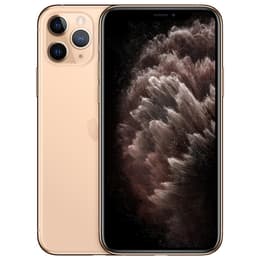


Galaxy S10 Vs iPhone 11 Pro

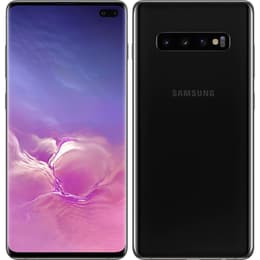
Galaxy S10
Galaxy S10
Starting at

Refurbished price:114.00

Versus €549.00 new

See options
iPhone 11 Pro
iPhone 11 Pro
Starting at

Refurbished price:182.00

Versus €809.00 new

See options

Ratings

The Samsung Galaxy S10, released in March 2019, and the Apple iPhone 11 Pro, launched in September 2019, represent flagship smartphones from their respective ecosystems. While both devices offer premium experiences, they differ significantly in their operating systems, display characteristics, and camera philosophies. This comparison aims to highlight the practical distinctions between these two models to assist in making an informed purchasing decision.

Scores

Durability

When considering the long-term usability of these devices, their release timelines and software support are key factors.

  • Release Timeline: The Galaxy S10 was introduced in March 2019, while the iPhone 11 Pro followed in September 2019. This six-month difference can impact the duration of software support.
  • Software Longevity: The Galaxy S10 typically received three major Android operating system updates, concluding with Android 12. In contrast, the iPhone 11 Pro is known for receiving a longer period of iOS updates, often extending to five or six years from its release, which generally provides a longer practical lifespan for software features and security.
  • Physical Durability: Both devices feature an IP68 rating for water and dust resistance, indicating a similar level of protection against environmental elements. The Galaxy S10 utilizes Gorilla Glass 6 for its front and back panels with an aluminum frame, while the iPhone 11 Pro employs custom glass and a stainless steel frame, offering a robust build.

Year of Release

2019

2019

Compatible with latest Update

No

Yes

OS

Android

iOS

Foldable

No

No

Performance

The performance of a smartphone is crucial for daily tasks, app usage, and overall responsiveness.

  • Processing Capabilities: The Galaxy S10 is equipped with an octa-core processor, either the Exynos 9820 or Snapdragon 855, depending on the region. This hardware allows it to handle demanding applications and multitasking effectively. The iPhone 11 Pro features the A13 Bionic chip, which is recognized for its efficient performance, ensuring smooth app loading and responsive multitasking.
  • Multitasking and Responsiveness: The Galaxy S10 typically comes with 8GB of RAM, contributing to its ability to manage multiple applications simultaneously. The iPhone 11 Pro, with 4GB of RAM, leverages iOS optimization to maintain a fluid user experience even with numerous apps open.
  • Battery Behavior: The Galaxy S10 houses a 3400 mAh battery. The iPhone 11 Pro has a 3046 mAh battery. Actual battery life in real-world usage can vary significantly based on individual usage patterns and software efficiency.

Memory (GB)

8 GB

4 GB

Screen quality

The visual experience is a primary consideration for many users, and both devices offer high-quality displays.

  • Display Technology and Size: The Galaxy S10 features a 6.1-inch Dynamic AMOLED display, providing a vibrant and expansive viewing area. The iPhone 11 Pro comes with a 5.8-inch Super Retina XDR OLED display, offering a slightly more compact screen size.
  • Resolution and Clarity: The Galaxy S10 boasts a resolution of 1440 x 3040 pixels, resulting in a sharp and detailed image. The iPhone 11 Pro's display has a resolution of 2436 x 1125 pixels, which also delivers clear and crisp visuals.
  • Brightness and Color: Both displays offer excellent color reproduction and deep blacks, characteristic of OLED technology. The iPhone 11 Pro's Super Retina XDR display is noted for its high contrast ratio and peak brightness, enhancing HDR content viewing. Both devices feature a standard 60Hz refresh rate.

Resolution

1440 x 3040

1125 x 2436

Screen type

Dynamic AMOLED

Super Retina XDR OLED

Audiovisual

For many users, camera capabilities are a decisive factor in smartphone choice.

  • Rear Camera Systems: The Galaxy S10 is equipped with a versatile triple-camera setup, including a 12MP main lens, a 12MP telephoto lens, and a 16MP ultrawide lens. This configuration allows for a range of photographic styles and good dynamic range. The iPhone 11 Pro also features a triple 12MP camera system, comprising a main, ultrawide, and telephoto lens.
  • Photography Performance: The iPhone 11 Pro introduced Night Mode, significantly improving its performance in low-light conditions. It is also known for consistent image quality across all its lenses. Both phones are capable of recording video at 4K resolution at 60 frames per second.
  • Audio Experience: The Galaxy S10 includes a 3.5mm headphone jack, offering traditional wired audio connectivity, alongside stereo speakers. The iPhone 11 Pro provides stereo speakers for media consumption but does not feature a 3.5mm headphone jack.

Main camera

12 megapixels

12 megapixels

Front camera

10 megapixels

12 megapixels

Miscellaneous

Beyond core features, several practical elements contribute to the overall user experience.

  • Connectivity Standards: Both the Galaxy S10 and the iPhone 11 Pro support 4G LTE for cellular data, Wi-Fi 6 for faster wireless internet, and Bluetooth 5.0 for connecting accessories.
  • Charging and Data Ports: The Galaxy S10 utilizes a USB-C port for charging and data transfer, a widely adopted standard. The iPhone 11 Pro, on the other hand, uses Apple's proprietary Lightning port.
  • Biometric Security and Design: The Galaxy S10 incorporates an ultrasonic in-display fingerprint sensor for secure unlocking, in addition to facial recognition. The iPhone 11 Pro relies on Face ID, Apple's facial recognition system, for biometric authentication. In terms of physical design, the Galaxy S10 measures 149.9 x 70.4 x 7.8 mm and weighs 157g, making it slightly lighter. The iPhone 11 Pro is 144 x 71.4 x 8.1 mm and weighs 188g, offering a more compact but heavier feel.

Weight

158 g

188 g

Screen size (in)

6.1

5.8

Network

4G

4G

SIM card

Physical SIM

Physical SIM + eSIM

Carrier compatibility

Unlocked

Unlocked

User feedback for the Galaxy S10 often highlights its versatile camera system, vibrant display, and the inclusion of a 3.5mm headphone jack, which is a valued feature for many. Some users appreciate the flexibility of the Android ecosystem and the option for expandable storage on certain models. Criticisms sometimes point to its shorter software update lifespan compared to its Apple counterpart.

The iPhone 11 Pro receives praise for its consistent camera performance, particularly with the introduction of Night Mode, and its strong video recording capabilities. Users also value the extended software support and the robust build quality. Common criticisms include the absence of a headphone jack and the use of the Lightning port, as well as a slightly smaller screen compared to some Android alternatives.

Users prioritizing a larger, high-resolution display, the Android ecosystem with its customization options, and traditional features like a headphone jack may find the Galaxy S10 well-suited to their needs. Conversely, users who value long-term software updates, consistent and high-quality camera performance, strong video capabilities, and the integrated iOS ecosystem may lean towards the iPhone 11 Pro. Both devices, when considered as quality-assured refurbished options, offer an eco-friendly alternative for consumers seeking reliable technology.


See all articles

Our recent comparisons