

Galaxy S10 Vs iPhone 13

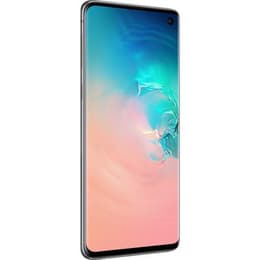
Galaxy S10
Galaxy S10
Starting at

Refurbished price:114.00

Versus €549.00 new

See options
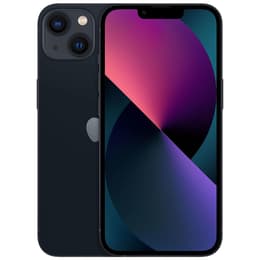
iPhone 13
iPhone 13
Starting at

Refurbished price:233.00

Versus €769.00 new

See options

Ratings

The Samsung Galaxy S10, released in March 2019, and the Apple iPhone 13, launched in September 2021, represent different generations and operating systems within the smartphone landscape. While the Galaxy S10 runs on Android, offering a customizable experience, the iPhone 13 operates on Apple's iOS, known for its integrated ecosystem. Key differentiators include their respective release timelines, software support longevity, and core hardware capabilities, reflecting advancements in mobile technology over a few years.

Scores

Durability

When considering the practical lifespan of these devices, their release dates and subsequent software support are significant factors. The Galaxy S10, having been released earlier, has reached the end of its official software and security update period, while the iPhone 13 continues to receive updates.

  • Software Longevity: The Samsung Galaxy S10 launched with Android 9 and received major OS updates up to Android 12. Official security updates for the original S10 models concluded in March 2023, meaning it no longer receives regular security patches or new Android versions. In contrast, the iPhone 13, released with iOS 15, is expected to receive software updates for at least five to six years from its release date, potentially extending support until 2027 or even 2032, offering a longer period of access to new features and security enhancements.
  • Repairability: The Galaxy S10 received a low repairability score of 3 out of 10 from iFixit, primarily due to extensive use of adhesive, a soldered charging port, and a glued-down battery, making repairs challenging. The iPhone 13 initially scored 5 out of 10, later improving to 6 out of 10 with an iOS update that addressed Face ID repair issues. While many components are modular, the tight integration between hardware and software can complicate unauthorized repairs, particularly concerning features like Face ID.
  • Expected Lifespan: Users of the Galaxy S10 may experience a diminishing practical lifespan due to the cessation of software and security updates, which can impact compatibility with newer applications and overall device security. The iPhone 13, with its ongoing software support, offers a longer expected period of optimal functionality and security.

Year of Release

2019

2021

Compatible with latest Update

No

Yes

OS

Android

iOS

Foldable

No

No

Performance

The performance of a smartphone is largely determined by its internal components, influencing how smoothly applications run and how efficiently the device handles demanding tasks. There are notable differences in the processing power and battery behavior between these two models.

  • Processing Capabilities: The Samsung Galaxy S10 is powered by a processor that, at its release, delivered fast performance for everyday tasks and multitasking. However, as an older device, it may show signs of slower responsiveness with newer, more demanding applications or extensive multitasking, with some users reporting lag after significant OS updates. The iPhone 13 features a more recent processor designed to provide lightning-fast performance and smooth operation, handling demanding apps and graphics-intensive games with ease.
  • Battery Behavior: The Galaxy S10 is equipped with a 3400 mAh battery, which some users found to offer only acceptable or middling battery life, often requiring a charge before a full day of heavy use. The iPhone 13, with a 3227 mAh battery, is noted for its impressive all-day battery life, attributed to its efficient processor and optimized operating system.
  • Storage and Responsiveness: Both devices offer various storage options, with the Galaxy S10 starting at 128GB and the iPhone 13 also offering 128GB as a base. The iPhone 13 typically includes 4GB of RAM, while the Galaxy S10 came with 8GB. Despite the difference in RAM, the iPhone 13's optimized software and hardware integration generally result in a highly responsive user experience, even with multiple applications running simultaneously.

Memory (GB)

8 GB

4 GB

Screen quality

The display is a primary interface for smartphone interaction, and both the Galaxy S10 and iPhone 13 offer distinct visual experiences shaped by their underlying technologies and specifications.

  • Display Technology and Resolution: The Samsung Galaxy S10 features a 6.1-inch Dynamic AMOLED display with a QHD+ resolution of 1440x3040 pixels, providing sharp and vibrant visuals. The iPhone 13 also has a 6.1-inch display, utilizing a Super Retina XDR OLED panel with a resolution of 2532x1170 pixels, known for its deep blacks and vibrant colors. Both technologies deliver excellent contrast and color accuracy.
  • Refresh Rate and Brightness: The Galaxy S10's display operates at a standard 60Hz refresh rate. The iPhone 13 also maintains a 60Hz refresh rate, with the higher 120Hz ProMotion technology reserved for its Pro models. However, the iPhone 13 offers improved brightness levels, enhancing visibility in various lighting conditions, including outdoor use.
  • Viewing Experience: The Galaxy S10's curved display contributes to an immersive viewing experience, while its high pixel density ensures clarity. The iPhone 13's Super Retina XDR display is praised for its clarity, color accuracy, and overall immersive quality, making it well-suited for media consumption and general use.

Resolution

1440 x 3040

1170 x 2532

Screen type

Dynamic AMOLED

Super Retina XDR OLED

Audiovisual

The camera systems on both the Galaxy S10 and iPhone 13 are designed to capture high-quality images and videos, though they approach this with different hardware configurations and software processing.

  • Rear Camera System: The Samsung Galaxy S10 features a versatile triple-camera setup, including a 12 MP wide-angle lens, a 12 MP telephoto lens with 2x optical zoom, and a 16 MP ultra-wide-angle lens. It supports 4K video recording at 60 frames per second. At its release, it was considered a strong performer, especially in good lighting. The iPhone 13 comes with an advanced dual-camera system, comprising 12 MP wide and 12 MP ultra-wide lenses. It includes features like Sensor-shift optical image stabilization, Photographic Styles, Smart HDR 4, and Night mode, along with 4K Dolby Vision HDR video recording.
  • Photography Performance: The Galaxy S10 was praised for producing good photos with great detail and color in well-lit conditions, though its low-light performance was noted to be behind the best available at the time. The iPhone 13's camera system is recognized for capturing stunning photos in various conditions, with significant improvements in low-light performance and overall image quality compared to its predecessors.
  • Video and Audio: Both devices offer capable video recording. The iPhone 13 introduces Cinematic Mode, which provides a shallow depth of field effect for videos. While specific microphone quality details vary, both are generally suitable for calls and casual recording. Speaker output on both devices provides a satisfactory media consumption experience.

Main camera

12 megapixels

12 megapixels

Front camera

10 megapixels

12 megapixels

Miscellaneous

Beyond the core components, several practical elements contribute to the overall user experience, from how a device connects to other technologies to its physical design and handling.

  • Connectivity and Ports: The Samsung Galaxy S10 supports 4G LTE networks and features a 3.5mm headphone jack, a feature that has become less common in newer smartphones. It uses a USB-C port for charging and data transfer. The iPhone 13 supports 5G connectivity, offering faster mobile data speeds where available. It uses Apple's proprietary Lightning port for charging and data. Neither device includes a traditional headphone jack, requiring adapters or wireless audio solutions.
  • Biometric Security: The Galaxy S10 was notable for featuring an ultrasonic in-screen fingerprint reader, allowing users to unlock the device by touching the display. The iPhone 13 relies on Face ID, Apple's facial recognition system, for secure unlocking and authentication.
  • Design and Durability Features: The Galaxy S10 features a design with glass on the front and back, curving into a polished metal band, and is IP68 water resistant. The iPhone 13 also has a glass front and back, with a flat chassis design and Ceramic Shield protection on the front for enhanced durability. It also carries an IP68 rating for water resistance. The Galaxy S10 is lighter at 157g compared to the iPhone 13's 174g.

Weight

158 g

173 g

Screen size (in)

6.1

6.1

Network

4G

5G

SIM card

Physical SIM

Physical SIM + eSIM

Carrier compatibility

Unlocked

Unlocked

User sentiment for the Samsung Galaxy S10 often highlights its comprehensive feature set at the time of its release, including its versatile camera system, vibrant AMOLED display, and the inclusion of a headphone jack. Many users appreciated its design and overall performance for its era. However, common criticisms that emerged over time include its battery life, which some found to be merely adequate, and a decline in performance and responsiveness after later Android updates. Some users also reported issues with delayed notifications and app crashes as the device aged.

For the iPhone 13, users frequently praise its powerful processor, consistently strong camera performance, and significantly improved battery life compared to previous iPhone models. The smooth and integrated iOS experience is also a recurring positive point. Conversely, some users have reported occasional software glitches, such as lagging animations or camera app freezing, particularly with certain iOS versions. Battery degradation over time and charging issues have also been mentioned by a subset of users.

Users prioritizing a device with a longer software support window and robust performance for current applications may find the iPhone 13 well-suited to their needs. Its camera system and battery longevity are strong points for those who value consistent daily performance and photography. Conversely, users who prefer the Android ecosystem, a physical headphone jack, and a potentially lighter device might still appreciate the Galaxy S10, especially if their usage is less demanding of the latest software. However, it's important to consider that the Galaxy S10 no longer receives official software updates, which impacts its long-term security and compatibility. For those seeking a quality-assured refurbished option, both models can offer a sustainable choice, extending their useful life and providing a practical alternative to purchasing new.


See all articles

Our recent comparisons







