

Galaxy S24 Vs Xiaomi 12T

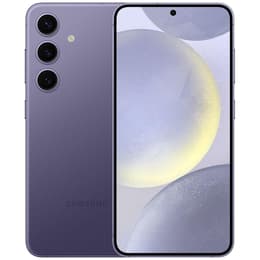
Galaxy S24
Galaxy S24
Starting at

Refurbished price:323.00

Versus €956.40 new

See options
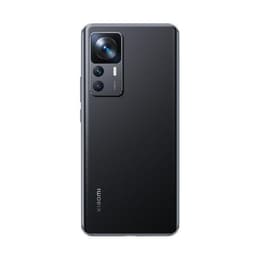
Xiaomi 12T
Xiaomi 12T
Starting at

Refurbished price:131.00

Versus €649.00 new

See options

Ratings

The Samsung Galaxy S24, released in January 2024, and the Xiaomi 12T, launched in October 2022, represent different approaches to the modern smartphone experience. While the Galaxy S24 focuses on a compact design with extensive software support and advanced features, the Xiaomi 12T prioritizes a larger display and rapid charging capabilities. Both devices run on the Android operating system, offering a wide range of applications and customization options, but they cater to distinct user preferences through their hardware and software philosophies.

Scores

Durability

When considering the long-term usability of a smartphone, factors like software updates, physical resilience, and repairability play a significant role. The Galaxy S24 and Xiaomi 12T offer different propositions in these areas.

  • Software Longevity: The Galaxy S24 is designed for extended use, with Samsung committing to seven years of operating system and security updates. This provides a longer practical lifespan for software features and security. The Xiaomi 12T, released earlier, typically receives fewer major OS updates and security patches, generally around two to three major Android versions and three to four years of security updates.
  • Physical Durability: The Galaxy S24 features an Armor Aluminum frame and Gorilla Glass Victus 2 on both the front and back, along with an IP68 rating for dust and water resistance. The Xiaomi 12T uses Gorilla Glass 5 on the front and a glass back with a plastic frame, and it lacks an official IP rating for water and dust protection.
  • Repairability: While specific repairability scores can vary by region and independent assessments, the Galaxy S24's more recent design and premium materials may influence the availability and cost of replacement parts over time.

Year of Release

2024

2022

Compatible with latest Update

Yes

Yes

OS

Android

Android

Foldable

No

No

Performance

The performance of a smartphone dictates its responsiveness and ability to handle various tasks, from everyday browsing to demanding applications and gaming. Both the Galaxy S24 and Xiaomi 12T are equipped to deliver smooth experiences, though with different underlying hardware.

  • Processing Power: The Galaxy S24, being a more recent flagship, features a current-generation processor that handles demanding apps and multitasking smoothly. This results in quick app loading times and fluid navigation. The Xiaomi 12T, powered by a capable processor from its release era, also offers a responsive experience for daily tasks and most games, with users reporting stable performance even under load.
  • Multitasking and Storage: Both devices offer ample RAM for efficient multitasking, allowing users to switch between applications without significant slowdowns. The Galaxy S24 offers a range of storage options, including faster storage types in higher capacities, contributing to overall system speed. The Xiaomi 12T also provides generous storage configurations, suitable for a large number of apps and media.
  • Battery Behavior: The Galaxy S24 has a 4000 mAh battery, which users generally find sufficient for a full day of regular use, though heavy usage like 4K video recording or intense gaming can drain it faster. The Xiaomi 12T comes with a larger 5000 mAh battery, and users often report excellent battery life, sometimes lasting up to 1.5 days on moderate usage, complemented by very fast charging capabilities.

Memory (GB)

8 GB

8 GB

Screen quality

The display is a primary interface for any smartphone, and both the Galaxy S24 and Xiaomi 12T offer vibrant viewing experiences, albeit with some distinctions in technology and brightness.

  • Display Technology and Clarity: Both phones feature AMOLED displays, known for deep blacks and vibrant colors. The Galaxy S24 has a 6.2-inch Dynamic AMOLED 2X display with a 1080 x 2340 resolution, while the Xiaomi 12T offers a larger 6.67-inch AMOLED screen with a slightly higher 1220 x 2712 resolution. Both provide clear and detailed visuals for media consumption and daily use.
  • Brightness and Refresh Rate: The Galaxy S24 boasts a peak brightness of 2600 nits, ensuring excellent visibility even in bright outdoor conditions. The Xiaomi 12T reaches a peak brightness of 900 nits, which is also suitable for outdoor use. Both devices feature an adaptive 120Hz refresh rate, providing smooth scrolling and fluid animations.
  • Viewing Experience: The Galaxy S24's display is noted for its anti-glare properties and flat design, which can be beneficial for writing with a stylus or reducing reflections. Some users have noted that the S24's vivid mode might appear less saturated compared to previous Samsung models, aiming for a more natural viewing experience. The Xiaomi 12T's larger screen offers an expansive viewing area, which can be immersive for videos and games.

Resolution

1080 x 2340

1220 x 2712

Screen type

Dynamic LTPO AMOLED 2X

AMOLED

Audiovisual

Camera capabilities are a significant consideration for many users, and both the Galaxy S24 and Xiaomi 12T provide robust systems for capturing photos and videos, each with its own strengths.

  • Main Camera Performance: The Galaxy S24 features a versatile triple-camera system with a 50 MP main sensor, a 12 MP ultrawide, and a 10 MP telephoto lens with 3x optical zoom. It is praised for good image quality, especially in well-lit conditions, and improved night mode. The Xiaomi 12T comes with a 108 MP main sensor, an 8 MP ultrawide, and a 2 MP macro lens. Users generally find the main camera capable of producing detailed and vibrant photos, with good performance in various lighting conditions.
  • Video Recording and Additional Features: The Galaxy S24 offers strong video recording capabilities, with 4K video appearing smoother and with better dynamic range compared to its predecessor. The Xiaomi 12T also records good quality video, though some users have noted autofocus issues in certain scenarios. Both phones provide a good selfie camera experience, with the S24 offering a 12 MP front camera and the 12T a 20 MP front camera.
  • Audio Experience: The Galaxy S24 features stereo speakers with Dolby Atmos, delivering clear and loud audio, though some users have found them to lack depth. The Xiaomi 12T also includes stereo speakers with Dolby Atmos, providing loud and clear sound, with some users noting impressive bass performance for small speakers.

Main camera

50 megapixels

108 megapixels

Front camera

12 megapixels

20 megapixels

Miscellaneous

Beyond the core features, several other elements contribute to the overall user experience, including connectivity, physical design, and security features.

  • Connectivity and Ports: Both devices support 5G connectivity for fast mobile data. The Galaxy S24 includes Wi-Fi 6E and Bluetooth 5.3, along with a USB-C 3.2 port for faster data transfer. The Xiaomi 12T supports Wi-Fi 6 and Bluetooth 5.3, and features a USB-C 2.0 port.
  • Biometric Security: Both smartphones offer under-display fingerprint sensors for secure unlocking. The Galaxy S24 uses an ultrasonic sensor, known for its speed and reliability, while the Xiaomi 12T employs an optical sensor. Both also support face recognition.
  • Design and Handling: The Galaxy S24 is a more compact device, measuring 147 x 70.6 x 7.6 mm and weighing 167g, making it comfortable for one-handed use. The Xiaomi 12T is larger at 163.1 x 75.9 x 8.6 mm and heavier at 202g, offering a more expansive screen but potentially requiring two hands for comfortable operation. The S24's design is often described as elegant and slim, feeling premium.

Weight

167 g

220 g

Screen size (in)

6.2

6.67

Network

5G

5G

SIM card

Dual Physical SIM + eSIM

Dual Physical SIM

Carrier compatibility

Unlocked

Unlocked

Connector

USB-C

USB-C

The Samsung Galaxy S24 and Xiaomi 12T cater to different user priorities, reflecting their respective release timelines and market positioning. Users often praise the Galaxy S24 for its compact size, vibrant and bright display, and the promise of extensive software support, making it a strong choice for those seeking a long-lasting and manageable device. Some criticisms include potential battery drain with intense use and, for some, a perceived lack of vividness in display colors compared to older models.

The Xiaomi 12T is frequently lauded for its impressive battery life, exceptionally fast charging, and a large, smooth AMOLED display. Users appreciate its solid performance for daily tasks and gaming. However, some users have noted occasional software bugs, potential autofocus issues with video recording, and a lack of official water resistance.

Users prioritizing a compact form factor, cutting-edge display brightness, and industry-leading software longevity may find the Galaxy S24 well-suited to their needs. Conversely, those who value a larger screen, extended battery life, and rapid charging capabilities might lean towards the Xiaomi 12T. Both devices offer a quality experience, and considering a quality-assured refurbished option for either model can be an eco-friendly alternative for consumers looking to make an informed and sustainable choice.


See all articles

Our recent comparisons