

Compare models
Galaxy A55 Vs iPhone Air
- 1-year minimum warranty
- Free delivery on all orders
- Free 30-day returns
Differences at a glance
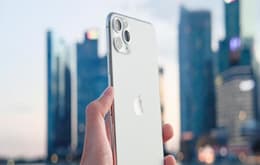
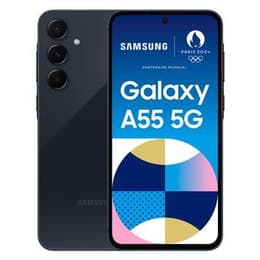
The Samsung Galaxy A55 (2024) and the Apple iPhone Air (2025) represent two distinct approaches to modern smartphone design, targeting users with different platform preferences and form-factor priorities. While the Galaxy A55 delivers a traditional, robust construction running on Android, the iPhone Air introduces an ultra-slim profile powered by iOS. These devices differ significantly in their physical build and ecosystem integration while serving daily communication needs.
Available Models
Colour
Storage
Scores
Durability
Both smartphones are built to remain functional for several years, though their software update timelines and hardware durability differ based on their design philosophies.
- Software support: The Apple iPhone Air benefits from extended software longevity typical of iOS flagships, whereas the Galaxy A55 receives a structured multi-year Android update schedule.
- Repairability and build: The Galaxy A55 utilizes standard glass and frame construction that scores favorably for straightforward repairs, while the iPhone Air's ultra-thin titanium chassis prioritizes structural rigidity in a compact form.
- Expected lifespan: Both models maintain daily usability over extended periods, though users looking for a quality-assured refurbished option can find reliable, eco-friendly alternatives through Back Market to extend device longevity.
Year of Release
2024
2025
Performance
Performance and multitasking behavior vary due to the underlying hardware configurations and operating system optimizations of each device.
- App execution and multitasking: Both devices handle everyday tasks, web browsing, and media streaming smoothly, though heavier applications and intensive mobile gaming run with higher thermal headroom on the iPhone Air.
- Storage configurations: The Galaxy A55 offers expandable storage options via microSD cards alongside standard internal tiers, while the iPhone Air relies entirely on fixed internal storage capacities.
- Battery behavior: The Galaxy A55 features a larger physical battery capacity suited for long daily use cycles, whereas the iPhone Air balances power efficiency with a much thinner physical profile requiring optimized daily charging habits.
Screen quality
Viewing experiences differ through display technology implementations, refresh rates, and outdoor visibility metrics.
- Display technology: The Galaxy A55 features a vibrant Super AMOLED panel with deep contrast, while the iPhone Air incorporates an advanced OLED display delivering high pixel density and true-to-life color reproduction.
- Outdoor brightness: The iPhone Air reaches higher peak brightness levels for clear outdoor visibility under direct sunlight, while the Galaxy A55 maintains comfortable viewing standards for everyday lighting conditions.
- Refresh rate and smoothness: Both models support adaptive or high refresh rates up to 120Hz, ensuring smooth scrolling through menus and web pages.
Audiovisual
Optics and media playback capabilities reflect each manufacturer's approach to imaging hardware and speaker output.
- Camera systems: The Galaxy A55 offers a versatile triple-lens rear setup including an ultra-wide and macro lens, whereas the iPhone Air focuses on a single high-resolution primary fusion camera supported by advanced computational photography.
- Video and low-light: Both devices capture detailed 4K video and balanced low-light shots, with the iPhone Air utilizing rapid image processing pipelines for quick capture.
- Audio output: The Galaxy A55 equips stereo speakers for media consumption, while the iPhone Air delivers focused audio output tuned for personal listening and calls.
Miscellaneous
Physical dimensions, connectivity standards, and daily handling characteristics set these two models apart.
- Physical dimensions and weight: The Galaxy A55 features a traditional thickness and a heavier build, whereas the iPhone Air stands out as one of the thinnest and lightest devices in its class.
- Connectivity and ports: Both models support fast 5G networks and Wi-Fi standards, utilizing a universal USB-C port for charging and data transfer.
- Biometrics and sensors: The Galaxy A55 uses an in-display optical fingerprint sensor, while the iPhone Air relies on facial recognition technology for secure authentication.
Screen size (in)
6.6
6.5
Network
5G
5G
SIM card
Physical SIM
eSIM
Carrier compatibility
Unlocked
Unlocked
Connector
USB-C
USB-C
What the community thinks
User feedback from online communities highlights distinct preferences for each device. Owners of the Galaxy A55 frequently praise its reliable battery longevity, expandable storage flexibility, and balanced everyday utility. Conversely, users of the iPhone Air highlight its remarkably slim and lightweight profile, premium tactile feel, and smooth operating system responsiveness as primary advantages. Common discussions also note that heavy users may need to adapt to the more frequent charging requirements of the iPhone Air's ultra-thin design.
When deciding between the two, users prioritizing ergonomic lightness, advanced display brightness, and long-term iOS ecosystem support may prefer the iPhone Air. Meanwhile, users prioritizing expandable storage, a larger physical battery capacity, and the Android environment will find the Galaxy A55 well-suited to their needs. Exploring a sustainable, quality-assured refurbished option through Back Market can also help buyers make an environmentally conscious choice that aligns with their personal technology preferences.