

Compare models

Galaxy A53 5G Vs iPhone Air

  • 1-year minimum warranty
  • Free delivery on all orders
  • Free 30-day returns
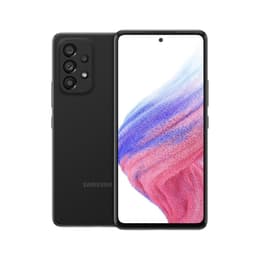
Galaxy A53 5G
Starting at

Refurbished price:179.00

Versus €459.00 new

See options
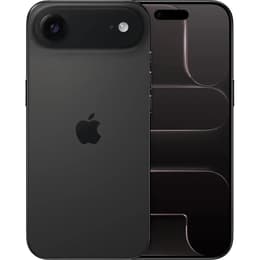
iPhone Air
Starting at

Refurbished price:739.00

Versus €1,339.00 new

See options

Differences at a glance

The Samsung Galaxy A53 5G (2022) and the Apple iPhone Air (2025) represent two distinct smartphone categories focusing on accessibility and ultra-slim engineering respectively. While they occupy different release eras and operating systems, they both deliver dependable daily connectivity. Their primary differences lie in physical profile, ecosystem framework, and core processing philosophy.

Available Models

Colour

Storage (GB)

Scores

Durability

When evaluating structural longevity and software support, both devices handle ongoing maintenance differently based on their respective release schedules and manufacturer commitments.

  • Software Support Timeline: The Galaxy A53 5G runs on the Android ecosystem with a multi-year update path, while the iPhone Air utilizes iOS, offering extended system updates aligned with its newer hardware launch.
  • Build and Repairability: The Galaxy A53 5G features a plastic frame with a glass front, whereas the iPhone Air incorporates a titanium frame paired with reinforced glass, maintaining standard component serviceability for both models.
  • Expected Lifespan: Both smartphones maintain adequate daily performance for typical tasks over several years, though hardware capability differences influence long-term readiness for intensive software.

Year of Release

2022

2025

Compatible with latest Update

Yes

Yes

OS

Android

iOS

Foldable

No

No

Performance

Daily execution speeds and resource management vary significantly due to internal architecture and memory allocations between the two models.

  • App Loading and Multitasking: The iPhone Air handles demanding applications and heavy multitasking with high responsiveness, while the Galaxy A53 5G manages everyday tasks and standard social media apps smoothly under normal usage conditions.
  • Battery Behavior: The Galaxy A53 5G features a high-capacity battery designed to easily sustain a full day of mixed use, whereas the iPhone Air relies on power-efficient processing to maintain endurance within its exceptionally slim chassis.
  • Storage Configurations: Both devices offer ample internal storage tiers for apps, media, and files, though the Galaxy A53 5G additionally supports expandable storage via microSD cards.

Screen quality

Visual output and display responsiveness cater to clear media consumption and smooth scrolling across both devices.

  • Display Technology: Both models utilize vibrant OLED display panels that deliver deep blacks, high contrast ratios, and vivid color reproduction for everyday viewing.
  • Refresh Rate and Smoothness: Both devices support high refresh rates up to 120 Hz, ensuring fluid scrolling through web pages, menus, and supported applications.
  • Outdoor Visibility: High peak brightness levels on both screens allow content to remain legible under direct sunlight or bright ambient lighting conditions.

Resolution

1080 x 2400

2736x1260

Screen type

Super AMOLED

Super Retina XDR

Audiovisual

Photography and multimedia output reflect different sensor configurations and optical capabilities tailored to varied user preferences.

  • Main Camera Output: Both devices capture detailed everyday photos and stable video recordings, equipped with image stabilization features to reduce blur during movement.
  • Additional Lenses: The Galaxy A53 5G includes versatile secondary lenses such as an ultra-wide and macro shooter, while the iPhone Air concentrates its imaging power into a single high-resolution primary sensor.
  • Audio and Media: Media consumption benefits from clear internal speaker output, though neither device includes a traditional headphone port, relying on wireless or adapter-based audio.

Main camera

64 megapixels

48 megapixels

Front camera

32 megapixels

18 megapixels

Miscellaneous

Practical physical attributes and connectivity standards shape everyday handling and peripheral compatibility.

  • Dimensions and Weight: The iPhone Air emphasizes an exceptionally thin profile and light weight, whereas the Galaxy A53 5G presents a more traditional thickness housing a larger battery cell.
  • Connectivity Options: Both smartphones support modern 5G cellular networks, stable Wi-Fi standards, and Bluetooth for accessory pairing and wireless data transfer.
  • Biometric Security: The Galaxy A53 5G uses an optical under-display fingerprint reader, while the iPhone Air relies on facial recognition technology for device unlocking.

Weight

189 g

165 g

Screen size (in)

6.5

6.5

Network

5G

5G

SIM card

Dual Physical SIM

eSIM

Carrier compatibility

Unlocked

Unlocked

What the community thinks

User feedback indicates that the Galaxy A53 5G is frequently praised for its dependable daily battery endurance, expandable storage capability, and balanced feature set within a practical body. At the same time, users note that its processing speed can feel limited when handling heavy gaming or demanding professional workloads. Conversely, the iPhone Air earns positive remarks for its breakthrough ultra-slim profile, premium titanium construction, and smooth system performance, though some users point out the absence of secondary rear lenses and a higher physical repair cost.

Users prioritizing lightweight design, advanced processing power, and the iOS ecosystem may prefer the iPhone Air, while users prioritizing daily battery stamina, expandable storage, and an accessible Android experience will lean toward the Galaxy A53 5G. Choosing a quality-assured refurbished option provides an eco-friendly, sustainable way to acquire either model without compromising on performance or reliability. Ultimately, the right choice depends on whether physical slimness or everyday utility aligns best with individual daily routines.