

Galaxy A53 5G Vs iPhone 16 Pro

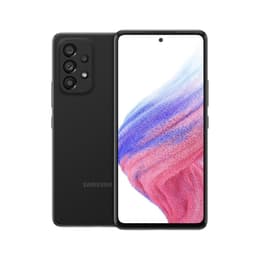
Galaxy A53 5G
Galaxy A53 5G
Starting at

Refurbished price:119.00

Versus €459.00 new

See options
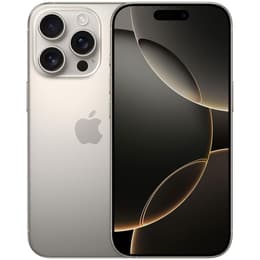
iPhone 16 Pro
iPhone 16 Pro
Starting at

Refurbished price:669.00

Versus €1,239.00 new

See options

Ratings

The Samsung Galaxy A53 5G, released in March 2022, is a mid-range Android smartphone known for its balanced features. In contrast, the iPhone 16 Pro, launched in September 2024, represents Apple's high-end flagship, offering advanced capabilities within the iOS ecosystem. These devices cater to different user expectations, primarily differing in their performance tiers, camera sophistication, and software environments.

Scores

Durability

When considering the long-term usability of these smartphones, their release timelines and software support policies are key differentiators.

  • Release Timeline and Age: The Galaxy A53 5G was released in March 2022, making it an older device compared to the iPhone 16 Pro, which launched in September 2024. This age difference impacts the remaining period of official software and security updates.
  • OS Support Duration: The Galaxy A53 5G originally shipped with Android 12 and is guaranteed to receive four major OS upgrades, extending its support up to Android 16, along with five years of security updates until 2027. The iPhone 16 Pro, running on iOS 18 at launch, benefits from Apple's typical policy of providing 5-7 years of major iOS updates and 7-8 years of security updates, suggesting a longer overall software lifespan.
  • Physical Durability: The Galaxy A53 5G features a plastic back and Corning Gorilla Glass 5 for screen protection, with an IP67 rating for dust and water resistance. The iPhone 16 Pro utilizes a titanium frame and is expected to offer enhanced durability features typical of Apple's Pro line, including advanced display protection and a robust water resistance rating.
  • Repairability: The Galaxy A53 5G is considered relatively repairable, with some sources giving it a repairability score around 6.75 to 7.5 out of 10, noting accessible components like the battery and screen. While specific repairability scores for the iPhone 16 Pro are not widely available, Apple's devices generally have a more controlled repair ecosystem.

Year of Release

2022

2024

Compatible with latest Update

Yes

Yes

Foldable

No

No

Performance

The performance capabilities of the Galaxy A53 5G and the iPhone 16 Pro reflect their respective market segments, with significant differences in processing power and overall system responsiveness.

  • Processor Capabilities: The Galaxy A53 5G is powered by an octa-core processor designed for efficient everyday use, handling common applications and moderate multitasking smoothly. However, for demanding games or intensive tasks, users might experience occasional limitations. The iPhone 16 Pro features a significantly more powerful and efficient processor, engineered to deliver top-tier performance for complex applications, advanced gaming, and seamless multitasking.
  • System Responsiveness: The Galaxy A53 5G offers a responsive experience for general navigation and app usage. The iPhone 16 Pro provides exceptionally fluid interactions and rapid app loading times, maintaining high performance even under heavy workloads.
  • Storage and Multitasking: The Galaxy A53 5G comes with 6GB or 8GB of RAM and storage options of 128GB or 256GB, expandable via microSD, which is suitable for most users' needs. The iPhone 16 Pro is equipped with 8GB of RAM and offers larger internal storage configurations up to 1TB, facilitating extensive multitasking and storage of large files without performance degradation.
  • Battery Behavior: The Galaxy A53 5G features a 5000 mAh battery, capable of lasting over a full day with typical usage, even with its high refresh rate display. The iPhone 16 Pro includes larger batteries compared to its predecessors, designed to provide extended usage times, with predictions suggesting over 30 hours of video playback for the Pro Max model.

Memory (GB)

4 GB

8 GB

Screen quality

The display technologies and features on both devices offer distinct visual experiences, catering to different preferences in clarity, brightness, and smoothness.

  • Display Technology and Clarity: The Galaxy A53 5G features a 6.5-inch Super AMOLED display with a 1080 x 2400 resolution, providing vibrant colors and deep blacks for an engaging viewing experience. The iPhone 16 Pro comes with a 6.3-inch OLED display, offering superior contrast, color accuracy, and sharpness, which is characteristic of Apple's Pro models.
  • Refresh Rate and Smoothness: The Galaxy A53 5G boasts a 120Hz refresh rate, contributing to smooth scrolling and fluid animations. The iPhone 16 Pro also features a high refresh rate display, ensuring an equally smooth and responsive visual experience, particularly noticeable in fast-paced content and user interface navigation.
  • Brightness Levels: The Galaxy A53 5G's display can reach up to 800 nits of brightness, offering good visibility in various lighting conditions. The iPhone 16 Pro's display is designed to be brighter, providing enhanced outdoor visibility and improved HDR content consumption.
  • Screen Size and Viewing Experience: The Galaxy A53 5G's 6.5-inch display offers ample screen real estate for media consumption and productivity. The iPhone 16 Pro, with its 6.3-inch display, provides a slightly more compact form factor while still delivering an immersive viewing experience with thinner bezels.

Resolution

1080 x 2400

1206 x 2622

Screen type

Super AMOLED

LTPO Super Retina XDR OLED

Audiovisual

The camera systems on the Galaxy A53 5G and the iPhone 16 Pro are designed with different strengths, impacting photography and videography outcomes.

  • Rear Camera System: The Galaxy A53 5G features a versatile quad-camera setup, including a 64 MP main sensor with optical image stabilization (OIS), a 12 MP ultrawide, a 5 MP macro, and a 5 MP depth sensor. This configuration allows for a range of photographic styles, performing well in good lighting conditions. The iPhone 16 Pro is equipped with an advanced triple-camera system, including a 48 MP main camera with a second-generation quad-pixel sensor, a 48 MP ultrawide camera optimized for low light, and a telephoto lens offering 5x optical zoom.
  • Photography Performance: The Galaxy A53 5G captures detailed images in daylight, with its OIS contributing to sharper photos. Its low-light performance is considered average. The iPhone 16 Pro excels in various lighting conditions, particularly in low light, due to its larger sensors and advanced computational photography capabilities. It also features an anti-reflective lens coating to reduce flare.
  • Video Recording Quality: Both devices support 4K video recording at 30 frames per second (fps) with their main cameras. The iPhone 16 Pro elevates video capabilities significantly, offering 4K video recording at 120fps in Dolby Vision, a feature that enhances dynamic range and color accuracy in videos.
  • Front Camera and Additional Features: The Galaxy A53 5G has a 32 MP front camera capable of 4K video recording. The iPhone 16 Pro features a 12 MP front camera, known for its consistent image quality and advanced features like Face ID. The iPhone 16 Pro also introduces a dedicated Camera Control button for quick access and enhanced photographic control.

Main camera

64 megapixels

48 megapixels

Front camera

32 megapixels

12 megapixels

Miscellaneous

Beyond core performance and camera, several practical elements contribute to the overall user experience of these smartphones.

  • Connectivity Options: Both devices support 5G connectivity for fast mobile data. The Galaxy A53 5G includes Wi-Fi 5 (802.11ac) and Bluetooth 5.1. The iPhone 16 Pro features support for the newer Wi-Fi 7 standard and Bluetooth 5.3, offering potentially faster and more stable wireless connections.
  • Port Types and Sensors: The Galaxy A53 5G uses a USB Type-C 2.0 port and includes an in-display optical fingerprint scanner for security. It does not feature a headphone jack. The iPhone 16 Pro utilizes a USB-C port and relies on Face ID for biometric authentication.
  • Weight and Dimensions: The Galaxy A53 5G measures 159.6 x 74.8 x 8.1 mm and weighs 189g. The iPhone 16 Pro is slightly taller, wider, and heavier than its predecessor, with dimensions of 149.6 × 71.5 × 8.25 mm and a weight of 199g. These differences can influence handling and pocketability.
  • Build Materials: The Galaxy A53 5G features a plastic back with a matte finish, offering a comfortable grip. The iPhone 16 Pro incorporates a titanium frame, contributing to a premium feel and enhanced structural integrity.

Weight

189 g

199 g

Screen size (in)

6.5

6.3

Network

5G

5G

SIM card

Physical SIM

eSIM

Carrier compatibility

Unlocked

Unlocked

Connector

USB-C

USB-C (USB 3)

User sentiment for the Galaxy A53 5G often highlights its strong battery life, vibrant AMOLED display, and capable camera system for its segment. Common criticisms sometimes point to its processor performance not being ideal for intensive gaming and the absence of a charger in the box. Users generally appreciate its value proposition and the commitment to long-term software updates.

For the iPhone 16 Pro, user expectations and initial reviews often praise its cutting-edge performance, advanced camera capabilities, and the seamless integration within the Apple ecosystem. Potential concerns might revolve around its premium positioning and the incremental nature of some upgrades compared to immediate predecessors. Users typically value the iPhone Pro series for its robust build quality, consistent software experience, and strong resale value.

Users prioritizing a balanced smartphone experience with a focus on display quality, extended battery life, and solid everyday performance, within the Android ecosystem, may find the Galaxy A53 5G well-suited to their needs. It represents a reliable option for those seeking a device that handles daily tasks efficiently and offers good photographic capabilities in well-lit environments.

Conversely, users who demand the highest levels of performance, advanced photographic and videographic features, a premium build, and a longer software support window within the iOS ecosystem will likely lean towards the iPhone 16 Pro. It is ideal for professionals, content creators, and power users who require a device that can handle the most demanding applications and offers cutting-edge technology.

For those considering either device, exploring quality-assured refurbished options can provide an eco-friendly alternative, allowing access to these technologies while making a sustainable choice.


See all articles

Our recent comparisons