

Compare models

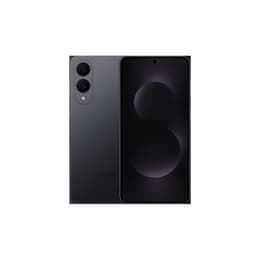
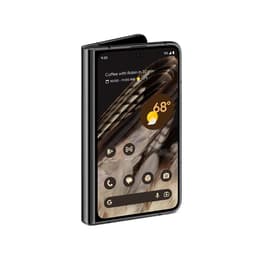
Galaxy S25 Edge Vs Google Pixel Fold

  • 1-year minimum warranty
  • Free delivery on all orders
  • Free 30-day returns
Galaxy S25 Edge
Starting at

Refurbished price:€488.00

Versus €1,275.21 new

See options
Google Pixel Fold
Starting at

Refurbished price:€617.00

Versus €1,750.29 new

See options

Differences at a glance

The Samsung Galaxy S25 Edge (2025) and the Google Pixel Fold (2023) represent two entirely different approaches to modern smartphone engineering. While the Galaxy S25 Edge offers a traditional slate form factor built around extreme thinness, the Google Pixel Fold introduces a dual-screen book-style folding design that transforms from a standard phone into a tablet-sized workspace. Both devices run on the Android operating system, though they provide distinct hardware experiences tailored for contrasting user preferences.

Available Models

Colour

Storage

Scores

Durability

When examining longevity and physical durability, these devices approach structural design and software support through distinct timelines.

  • Release Timeline and Software Support: The Galaxy S25 Edge launched in 2025, benefiting from a contemporary software support window, whereas the Google Pixel Fold debuted in 2023. Both models receive multi-year operating system upgrades, though the newer Samsung release spans further into the future.
  • Build and Mechanical Resilience: The Galaxy S25 Edge utilizes a rigid, ultra-slim slate chassis reinforced with titanium and durable glass, minimizing mechanical moving parts. Conversely, the Google Pixel Fold features a complex folding hinge mechanism and a flexible inner screen that requires more mindful handling during everyday use.

Year of Release

2025

2023

Compatible with latest Update

Yes

Yes

OS

Android

Android

Foldable

No

Yes

Performance

Underneath the surface, these smartphones handle demanding applications, multitasking, and battery management differently based on their internal hardware generations.

  • Multitasking and Processing: Equipped with a contemporary processor and ample random access memory, the Galaxy S25 Edge handles heavy apps, rapid app switching, and intensive gaming with high thermal efficiency. The Google Pixel Fold relies on an older generation processor that handles everyday tasks and split-screen multitasking adequately, though heavier workloads may push its limits.
  • Battery Behavior: The Galaxy S25 Edge features a streamlined battery capacity designed to fit its remarkably slim profile, requiring regular daily recharges for heavy users. The Google Pixel Fold includes a larger physical battery to support its expansive dual-screen setup, balancing power consumption across both the outer and inner displays.

Screen quality

The visual experience serves as one of the most prominent differences between a traditional slate smartphone and a foldable device.

  • Display Formats: The Galaxy S25 Edge features a single, expansive flat AMOLED screen with high resolution and deep contrast. The Google Pixel Fold provides a conventional outer screen alongside a tablet-sized inner organic light-emitting diode display that opens up for immersive media consumption.
  • Outdoor Usability and Smoothness: Both devices offer high peak brightness levels for clear visibility under direct sunlight and support high refresh rates that ensure smooth scrolling and responsive touch interactions across all menus.

Resolution

1440 x 3120

1840 x 2208

Audiovisual

Photography and media capture capabilities reflect each manufacturer's approach to imaging software and lens configuration.

  • Camera Systems: The Galaxy S25 Edge employs a high-resolution main sensor paired with an ultra-wide lens, capturing sharp everyday photos and detailed landscape shots. The Google Pixel Fold utilizes a versatile triple-lens setup incorporating dedicated telephoto zoom capabilities alongside standard and wide angles.
  • Video and Audio Output: Both models deliver stable high-definition video recording with clear microphone input for calls. Their built-in stereo speakers provide balanced sound output suitable for casual media streaming and speakerphone use.

Miscellaneous

Practical daily features, connectivity standards, and physical handling characteristics define how each phone integrates into a user's routine.

  • Connectivity and Ports: Both smartphones support modern fifth-generation cellular networks, rapid wireless protocols, and universal USB-C ports for charging and data transfer.
  • Handling and Form Factor: The Galaxy S25 Edge emphasizes an exceptionally lightweight, ultra-thin slate profile that slips easily into pockets. The Google Pixel Fold carries a heavier, wider footprint when folded, prioritizing dual-screen versatility over minimal weight.

Weight

163 g

283 g

Screen size (in)

6.7

7.6

Network

5G

5G

SIM card

Physical SIM + eSIM

Physical SIM + eSIM

Carrier compatibility

Unlocked

Unlocked

Connector

USB-C

USB-C

What the community thinks

Deciding between the Samsung Galaxy S25 Edge and the Google Pixel Fold depends primarily on whether a traditional ultra-slim profile or a versatile folding design best matches your daily routine. Users prioritizing a lightweight device, a single uninterrupted display, and contemporary internal processing often lean toward the Galaxy S25 Edge. Conversely, users who value multitasking on a tablet-sized inner screen and appreciate a multi-lens zoom system may prefer the Google Pixel Fold.

Reviewers and community members frequently praise the Galaxy S25 Edge for its remarkable thinness and streamlined handling, while noting its battery capacity is constrained by the slim chassis. For the Pixel Fold, users appreciate the expansive inner workspace and unique form factor, though some express mindfulness regarding the durability of folding hinges over extended periods. For those seeking an eco-friendly alternative, choosing a quality-assured refurbished option provides a sustainable way to acquire either model while reducing electronic waste.








