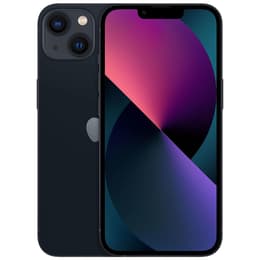

iPhone

Compare models
Differences at a glance
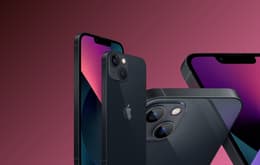
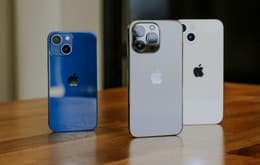
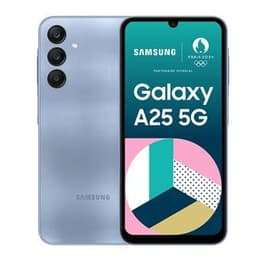
The Samsung Galaxy A25, released in December 2023, and the Apple iPhone 13, launched in September 2021, represent distinct approaches to smartphone design and functionality. While the Galaxy A25 operates on the Android platform with Samsung's One UI, the iPhone 13 runs on Apple's iOS, offering different user experiences and ecosystems. Key differentiators between these two devices include their operating systems, display technologies, and camera capabilities, catering to varied user preferences.
Colour
Storage
When considering the long-term usability of these devices, their release timelines and software support policies are important factors. The iPhone 13, released in September 2021, typically receives iOS updates for an extended period, with expectations of support until at least 2028, potentially encompassing iOS 26 or later versions. This suggests a practical software lifespan of around 5-7 years from its release. The Galaxy A25, a newer device from December 2023, launched with Android 14 and is expected to receive four years of OS updates and five years of security updates, aligning with Samsung's policy for its A series. This means it should receive major Android updates up to Android 18.
Year of Release
Compatible with latest Update
OS
Foldable
The performance of a smartphone is crucial for daily tasks, app usage, and multitasking. The iPhone 13, powered by a capable processor, delivers smooth and responsive performance across various applications and demanding games. The Galaxy A25, equipped with its own current-generation processor, handles everyday tasks efficiently, though some users have noted occasional lag during initial setup or with heavy usage.
The display is a primary interface for smartphone interaction, and both devices offer distinct viewing experiences. The iPhone 13 features a Super Retina XDR OLED display, known for its deep blacks, high contrast, and vibrant color reproduction. The Galaxy A25 sports a Super AMOLED display with a higher refresh rate, contributing to smoother scrolling and animations.
Resolution
Screen type
Camera performance is a significant consideration for many users, and both the Galaxy A25 and iPhone 13 offer capable camera systems for capturing moments. The iPhone 13 is recognized for its consistent image processing and strong video capabilities, while the Galaxy A25 provides a versatile triple-camera setup.
Main camera
Front camera
Beyond core features, several practical elements contribute to the overall user experience. These include connectivity options, physical ports, biometric security, and the device's physical characteristics.
Weight
Screen size (in)
Network
SIM card
Carrier compatibility
Connector
User sentiment for the iPhone 13 often highlights its robust performance, reliable camera, and long-term software support as key strengths. Users appreciate its consistent experience and the longevity of its iOS updates. Criticisms sometimes point to its 60Hz display refresh rate compared to newer devices. For the Galaxy A25, users generally praise its vibrant 120Hz AMOLED display and large battery capacity. However, some feedback mentions that its performance can be underwhelming for demanding tasks and that its low-light camera performance could be improved. The lack of a consistently confirmed high IP rating is also a point of discussion.
Users prioritizing a device with a longer software update lifespan, a premium build, and a highly optimized ecosystem for consistent performance and video capabilities may find the iPhone 13 well-suited to their needs. Conversely, individuals who value a smoother display experience with a 120Hz refresh rate, expandable storage, and the flexibility of the Android operating system, along with a traditional headphone jack, might lean towards the Galaxy A25. Both devices offer compelling features for different user profiles, and considering a quality-assured refurbished option for either model can be an eco-friendly alternative for making an informed choice.