

Compare models

Google Pixel 9 Pro XL Vs iPhone Air

  • 1-year minimum warranty
  • Free delivery on all orders
  • Free 30-day returns
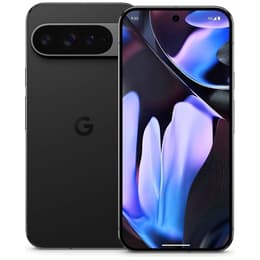
Google Pixel 9 Pro XL
Starting at

Refurbished price:466.00

Versus €1,298.07 new

See options
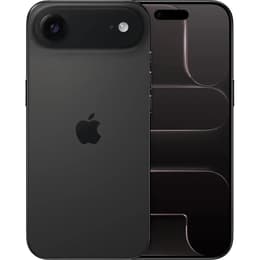
iPhone Air
Starting at

Refurbished price:739.00

Versus €1,339.00 new

See options

Differences at a glance

The Google Pixel 9 Pro XL (2024) and the Apple iPhone Air (2025) represent two distinct approaches to modern flagship smartphone design. While the Google Pixel 9 Pro XL is a robust device built for expansive multitasking and feature-rich performance, the iPhone Air prioritizes an ultra-thin, lightweight form factor. Operating on Android and iOS respectively, these two models cater to users looking for very different physical and software experiences.

Available Models

Colour

Storage (GB)

Scores

Durability

Both smartphones are built to remain functional and supported over many years, though they approach longevity through different timelines and ecosystem structures.

    Software longevity: The Google Pixel 9 Pro XL benefits from a long-term manufacturer update commitment spanning seven years, ensuring extended feature additions. The iPhone Air receives Apple's regular software updates, typically supporting devices for a similar multi-year window.
    Hardware durability: The Pixel 9 Pro XL utilizes sturdy glass and metal construction with high water resistance ratings. The iPhone Air features a reinforced titanium frame and advanced glass protection designed to maintain structural integrity despite its exceptionally slim profile.
    Practical lifespan: Both devices offer strong build quality and robust components, making them long-lasting options, whether purchased new or chosen as a quality-assured refurbished alternative to reduce environmental impact.

Year of Release

2024

2025

Compatible with latest Update

Yes

Yes

OS

Android

iOS

Foldable

No

No

Performance

System responsiveness and everyday operation differ based on internal hardware layout and software optimization across both models.

    Multitasking capacity: The Google Pixel 9 Pro XL handles demanding applications and background processes smoothly thanks to its large memory capacity. The iPhone Air relies on tightly integrated hardware and software architecture to switch between apps and manage complex tasks efficiently.
    Battery behavior: The Pixel 9 Pro XL incorporates a high-capacity battery designed to comfortably sustain long days of mixed usage. The iPhone Air features a smaller physical battery to maintain its slim profile, requiring more frequent replenishment during heavy work or media sessions.
    Storage configurations: Both models offer ample internal storage tiers for apps, offline media, and large document files, though neither includes expandable card slots.

Screen quality

Display characteristics vary significantly in physical dimensions, brightness output, and viewing comfort.

    Display technology: Both devices employ advanced OLED panels that deliver deep black levels, high contrast ratios, and sharp detail for everyday viewing.
    Size and immersion: The Google Pixel 9 Pro XL features a spacious 6.8-inch screen suited for productivity and split-screen apps. The iPhone Air offers a slightly more compact 6.5-inch display that balances screen real estate with easier one-handed reach.
    Outdoor visibility and smoothness: High peak brightness levels ensure legibility under direct sunlight on both handsets, while high refresh rate support provides fluid scrolling through web pages and menus.

Resolution

1344 x 2992

2736x1260

Screen type

LTPO OLED

Super Retina XDR

Audiovisual

Imaging hardware and everyday photo capabilities cater to different creative styles and media consumption preferences.

    Camera versatility: The Google Pixel 9 Pro XL features a versatile triple-lens rear setup including a dedicated telephoto zoom lens for distant subjects. The iPhone Air utilizes a streamlined single-lens system focused on everyday wide photography and high-resolution capture.
    Video and audio: Both smartphones record stable, clear video with advanced stabilization features. Built-in stereo speakers deliver clear dialogue and audio output for casual media playback and video calls.
    Low-light performance: Computational photography aids both models in capturing balanced exposures and natural details in dim environments without excessive grain.

Main camera

50 megapixels

48 megapixels

Front camera

42 megapixels

18 megapixels

Miscellaneous

Physical dimensions and connectivity standards shape the everyday handling and portability of each device.

    Size and weight: The Google Pixel 9 Pro XL weighs 221 grams with an 8.5 mm thickness, offering a substantial feel in the hand. The iPhone Air weighs 165 grams and measures 5.6 mm thick, making it significantly lighter and easier to pocket.
    Ports and charging: Both devices utilize standard USB-C connection ports for wired charging and data transfer, alongside modern wireless charging capabilities.
    Biometric security: The Pixel 9 Pro XL uses an under-display ultrasonic fingerprint sensor and face unlock, while the iPhone Air relies on facial recognition technology.

Weight

221 g

165 g

Screen size (in)

6.8

6.5

Network

5G

5G

SIM card

Physical SIM + eSIM

eSIM

Carrier compatibility

Unlocked

Unlocked

Connector

USB-C

USB-C

What the community thinks

Choosing between the Google Pixel 9 Pro XL and the Apple iPhone Air depends largely on individual hardware preferences and daily usage priorities. Users who prioritize expansive screen space, extensive multitasking memory, and versatile multi-lens zoom capabilities may prefer the Google Pixel 9 Pro XL. Conversely, users prioritizing an exceptionally lightweight build, a slim profile, and the iOS ecosystem will likely lean toward the iPhone Air as an eco-friendly, quality-assured refurbished option.