

Galaxy A15 Vs iPhone 16 Pro

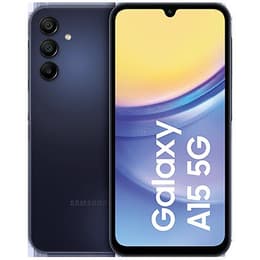
Galaxy A15
Galaxy A15
Starting at

Refurbished price:124.00

Versus €189.00 new

See options
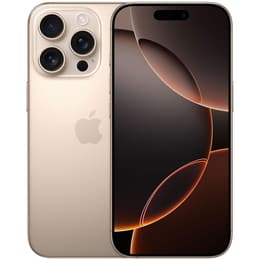
iPhone 16 Pro
iPhone 16 Pro
Starting at

Refurbished price:646.00

Versus €1,239.00 new

See options

Ratings

The Samsung Galaxy A15, released in late 2023, is an Android smartphone designed for everyday use, while the iPhone 16 Pro, launched in late 2024, represents Apple's high-end iOS offering. These devices cater to different user needs, primarily distinguished by their operating systems, performance capabilities, and camera systems. The Galaxy A15 runs on Android with Samsung's One UI, offering a customizable experience, whereas the iPhone 16 Pro operates on Apple's iOS, known for its integrated ecosystem and streamlined interface.

Scores

Durability

The practical lifespan of a smartphone is influenced by its build quality, software support, and the longevity of its components.

  • Software Longevity: The Samsung Galaxy A15 is expected to receive four major Android OS updates, extending its software support until Android 18, along with five years of security patches. The iPhone 16 Pro, while discontinued in September 2025 following the release of its successor, typically benefits from Apple's longer software support, often receiving iOS updates for six to seven years from its initial release.
  • Build Materials: The Galaxy A15 features a plastic back and frame with a Dragontrail Pro glass front, offering a durable yet more utilitarian construction. In contrast, the iPhone 16 Pro utilizes a titanium alloy frame, a Ceramic Shield front, and a textured matte glass back, providing enhanced resistance to daily wear and accidental impacts.
  • Environmental Resistance: The iPhone 16 Pro is rated IP68, indicating significant resistance to dust and water immersion, capable of withstanding depths of up to 6 meters for 30 minutes. The Galaxy A15 does not carry an official IP rating, suggesting less protection against environmental elements.

Year of Release

2023

2024

Compatible with latest Update

Yes

Yes

Foldable

No

No

Performance

Performance differences between these two devices are notable, reflecting their distinct market segments and underlying architectures.

  • Processing Power: The Galaxy A15 is equipped with a MediaTek Dimensity 6100+ processor, which capably handles daily tasks such as web browsing, social media, and light gaming, providing a smooth user experience for general applications. The iPhone 16 Pro, powered by Apple's A18 Pro chip, delivers significantly higher performance, enabling seamless multitasking, demanding applications, and graphically intensive gaming with advanced efficiency.
  • Memory and Storage: The Galaxy A15 is available with 4GB, 6GB, or 8GB of RAM and offers 128GB or 256GB of internal storage, which can be expanded up to 1TB via a microSD card. The iPhone 16 Pro comes with 8GB of RAM and storage options ranging from 128GB to 1TB, without expandable storage.
  • Battery Endurance: The Galaxy A15 features a 5000 mAh battery, providing extended usage that can last up to two days with typical use or over 14 hours of continuous video streaming. The iPhone 16 Pro, with an estimated 3582 mAh battery, is rated for up to 27 hours of video playback, though some users report around 8-10 hours of battery life with moderate to heavy daily usage. Both devices support fast charging, with the Galaxy A15 supporting 25W wired charging.

Memory (GB)

4 GB

8 GB

Screen quality

The visual experience on both devices is shaped by their display technologies and specifications.

  • Display Technology and Clarity: The Galaxy A15 features a 6.5-inch Super AMOLED display with a Full HD+ resolution (1080 x 2340 pixels), offering vibrant colors and deep blacks suitable for media consumption. The iPhone 16 Pro boasts a 6.3-inch Super Retina XDR OLED display with a higher resolution of 2622 x 1206 pixels, resulting in a sharper and more detailed visual experience.
  • Brightness and Refresh Rate: The Galaxy A15's display reaches up to 800 nits in High Brightness Mode and has a 90Hz refresh rate, providing smooth scrolling and good visibility in various lighting conditions. The iPhone 16 Pro offers a typical brightness of 1000 nits and a peak brightness of 2000 nits, ensuring excellent outdoor visibility. Its ProMotion technology enables an adaptive refresh rate up to 120Hz, contributing to a fluid and responsive interface.
  • Additional Display Features: The iPhone 16 Pro includes an Always-On display and the Dynamic Island, which integrates alerts and background activities into an interactive area at the top of the screen. The Galaxy A15 focuses on core display quality without these advanced interactive elements.

Resolution

1080 x 2340

1206 x 2622

Screen type

Super AMOLED

LTPO Super Retina XDR OLED

Audiovisual

Camera capabilities are a significant differentiator, with each device offering a distinct photographic experience.

  • Rear Camera Systems: The Galaxy A15 features a triple-camera setup with a 50MP main sensor, a 5MP ultrawide lens, and a 2MP macro lens, suitable for capturing clear photos in well-lit environments. The iPhone 16 Pro is equipped with a more advanced Pro camera system, including a 48MP main sensor, a 48MP ultrawide sensor with a 120-degree field of view, and a 12MP 5x telephoto lens, alongside a LiDAR scanner for improved depth sensing.
  • Photography Features: The iPhone 16 Pro excels in low-light performance and offers advanced features like Apple ProRAW for professional-grade image editing, next-generation Photographic Styles, and improved computational photography. The Galaxy A15 provides competent image capture for everyday moments, with its 50MP main camera producing detailed shots by default.
  • Video Recording: The Galaxy A15 supports Full HD (1080p) video recording at 30 frames per second. The iPhone 16 Pro offers significantly more advanced video capabilities, including 4K Dolby Vision video recording at up to 120 frames per second and ProRes video recording up to 4K at 120 frames per second with external recording, catering to professional videography needs.
  • Front Camera: For selfies and video calls, the Galaxy A15 has a 13MP front camera, while the iPhone 16 Pro features a 12MP TrueDepth front camera with advanced features like autofocus and improved low-light performance.

Main camera

50 megapixels

48 megapixels

Front camera

13 megapixels

12 megapixels

Miscellaneous

Beyond core specifications, several practical elements contribute to the overall user experience of each device.

  • Connectivity and Ports: Both devices support 5G connectivity. The Galaxy A15 includes a 3.5mm headphone jack and a USB-C port. The iPhone 16 Pro features a USB-C port, which supports faster data transfer speeds, and also includes Wi-Fi 7 and Bluetooth 5.3 for advanced wireless connectivity.
  • Biometric Security: The Galaxy A15 incorporates a side-mounted fingerprint sensor for secure unlocking. The iPhone 16 Pro utilizes Face ID, Apple's facial recognition system, for secure authentication and payments.
  • Design and Handling: The Galaxy A15 has dimensions of 160.1 x 76.8 x 8.4 mm and weighs 200g, offering a comfortable grip for its size. The iPhone 16 Pro is slightly more compact at 149.6 x 71.5 x 8.25 mm and weighs 199g, featuring a premium titanium design that contributes to its lighter feel for its build materials.
  • Additional Features: The iPhone 16 Pro introduces an Action Button, a customizable physical button that can be assigned to various functions. The Galaxy A15 focuses on providing essential smartphone functionalities without such specialized hardware buttons.

Weight

200 g

199 g

Screen size (in)

6.5

6.3

Network

4G

5G

SIM card

Dual Physical SIM

eSIM

Carrier compatibility

Unlocked

Unlocked

User feedback for the Samsung Galaxy A15 often highlights its reliable performance for daily tasks, its vibrant Super AMOLED display, and its impressive battery life as key strengths. Users appreciate its ability to last through a full day or more on a single charge, making it a dependable option for consistent use. Criticisms sometimes point to its camera versatility compared to higher-end models, particularly in challenging lighting conditions, and its plastic build.

The iPhone 16 Pro receives praise for its exceptional processing power, allowing for smooth operation across demanding applications and games. Its advanced camera system, with professional-grade photography and videography features, is frequently lauded. The premium titanium build and long-term software support are also significant advantages. Some user discussions, however, have noted that while the battery life is improved over previous Pro models, it may not always meet the expectations of heavy users, with some reporting around 8-10 hours of screen-on time with intensive use.

Users prioritizing a robust and customizable Android experience with excellent battery endurance for general use will find the Samsung Galaxy A15 well-suited to their needs. It is a practical choice for those who value a clear display and long software support within its segment. Conversely, users who require cutting-edge performance, a highly advanced camera system for creative work, a premium and durable build, and deep integration within the Apple ecosystem will likely prefer the iPhone 16 Pro. This device is ideal for professionals, content creators, and power users who demand top-tier capabilities. Both devices are available as quality-assured refurbished options, offering an eco-friendly alternative for consumers.


See all articles

Our recent comparisons