

Galaxy A15 5G Vs Xiaomi 14

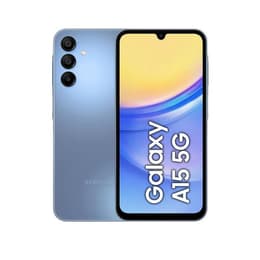
Galaxy A15 5G
Galaxy A15 5G
Starting at

Refurbished price:124.00

Versus €248.54 new

See options
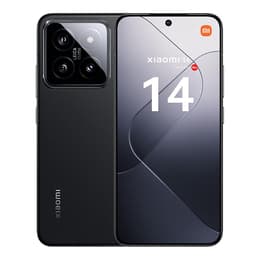
Xiaomi 14
Xiaomi 14
Starting at

Refurbished price:384.00

Versus €1,099.00 new

See options

Ratings

The Samsung Galaxy A15 5G and the Xiaomi 14 are two Android smartphones released in late 2023 and early 2024, respectively. While both offer 5G connectivity and run on the Android operating system, they cater to different segments of the market, with the Xiaomi 14 presenting a more advanced feature set and the Galaxy A15 5G focusing on core functionalities. The primary distinctions lie in their processing power, display technology, and camera capabilities.

Scores

Durability

When considering the long-term usability of these devices, their release timelines and software support policies are key factors.

  • Release and Age: The Samsung Galaxy A15 5G was announced in December 2023 and released shortly after, while the Xiaomi 14 was announced in October 2023 and saw its global release in February 2024. This means the Xiaomi 14 is slightly newer in terms of global availability. [3, 4, 10, 11, 13, 14, 15]
  • Software Longevity: Samsung has committed to providing the Galaxy A15 5G with four major Android operating system upgrades and five years of security patches. [4, 13, 16, 21, 22, 25, 28, 30, 42] The Xiaomi 14, as a flagship device, is expected to receive a similar level of support, with some sources indicating four Android OS updates and five years of security patches. [1, 3] This extended support ensures both devices remain functional and secure for several years.
  • Practical Lifespan: Both phones are built to last, though the Xiaomi 14 features an IP68 rating for dust and water resistance, offering an additional layer of protection against environmental elements compared to the Galaxy A15 5G, which does not have an official IP rating. [1, 22] The Xiaomi 14 also uses Corning Gorilla Glass Victus for screen protection, while the Galaxy A15 5G uses AGC Dragontrail Protection. [6, 9, 16]

Year of Release

2023

2023

Compatible with latest Update

Yes

Yes

OS

Android

Android

Foldable

No

No

Performance

The performance of a smartphone significantly impacts daily user experience, from app responsiveness to handling demanding tasks.

  • Processing Power: The Xiaomi 14 is equipped with a current-generation processor, enabling it to handle demanding applications, intensive multitasking, and graphic-heavy games with smooth performance. [1, 6, 7, 8, 14, 15, 19] The Samsung Galaxy A15 5G features a capable processor that provides reliable performance for everyday tasks like browsing, social media, and light gaming. [2, 4, 5, 9, 12, 16, 26, 28, 30]
  • Multitasking and Storage: The Xiaomi 14 offers higher RAM configurations, typically starting from 8GB and going up to 16GB, paired with faster UFS 4.0 storage, contributing to quicker app loading and seamless multitasking. [3, 6, 7, 8, 14, 15, 35] The Galaxy A15 5G comes with RAM options ranging from 4GB to 8GB and UFS 2.2 storage, which is suitable for general use but may show limitations with numerous apps open simultaneously. [2, 4, 5, 9, 12, 16] The Galaxy A15 5G does offer expandable storage via microSD, a feature not present on the Xiaomi 14. [4, 20]
  • Battery Behavior: The Galaxy A15 5G houses a larger 5000 mAh battery, often resulting in extended usage times, with users reporting it can last up to two days on a single charge for moderate use. [2, 13, 20, 22, 26, 28] The Xiaomi 14 has a 4610 mAh battery, which, despite being smaller, is optimized by its efficient processor and HyperOS, providing a full day of usage for most users. [1, 6, 14, 15, 19, 27, 31]

Memory (GB)

4 GB

16 GB

Screen quality

The display is a primary interface for any smartphone, and both devices offer distinct visual experiences.

  • Display Technology and Clarity: The Xiaomi 14 features a 6.36-inch LTPO AMOLED display with a higher resolution of 1200 x 2670 pixels, offering sharp visuals and vibrant colors. [1, 6, 7, 8, 14, 15, 24, 29, 31] The Samsung Galaxy A15 5G comes with a 6.5-inch Super AMOLED display with a resolution of 1080 x 2340 pixels, providing clear and bright images. [2, 5, 9, 10, 12, 16, 20, 26, 28, 30]
  • Brightness and Smoothness: The Xiaomi 14 boasts an impressive peak brightness of 3000 nits, making it exceptionally legible even in direct sunlight, and features an adaptive refresh rate from 1Hz to 120Hz for fluid scrolling and animations. [1, 6, 7, 15, 24, 29, 31] The Galaxy A15 5G offers a respectable 800 nits of high brightness mode (HBM) and a 90Hz refresh rate, ensuring a smooth experience for its class and good visibility in most outdoor conditions. [5, 9, 12, 16, 26, 30]
  • Viewing Experience: The Xiaomi 14's display is protected by Corning Gorilla Glass Victus and features slim, uniform bezels, contributing to an immersive viewing experience. [6, 7, 31] The Galaxy A15 5G has a durable glass front, but its bezels are more noticeable, particularly the chin, and it uses a waterdrop notch for the front camera. [16, 26, 30]

Resolution

1080 x 2340

1200 x 2670

Screen type

Super AMOLED

LTPO OLED

Audiovisual

Camera capabilities are a significant consideration for many users, and these phones offer different photographic strengths.

  • Rear Camera Systems: The Xiaomi 14 features a versatile triple-camera system co-engineered with Leica, including a 50MP main sensor with optical image stabilization (OIS), a 50MP ultrawide lens, and a 50MP telephoto lens with 3.2x optical zoom and OIS, capable of detailed macro shots. [1, 7, 14, 15, 24, 29] The Samsung Galaxy A15 5G offers a triple camera setup with a 50MP main sensor, a 5MP ultrawide, and a 2MP macro lens, providing competent results in good lighting conditions. [5, 10, 12, 13, 16, 20, 22, 26, 28, 30]
  • Photography Performance: The Xiaomi 14 is praised for its professional-grade camera performance, delivering excellent detail, color accuracy, and low-light capabilities, often producing images with a distinct aesthetic. [19, 24, 27, 29, 31] The Galaxy A15 5G's main camera captures sharp images with good detail in daylight, though its ultrawide and macro lenses are more basic. [22, 28, 30]
  • Video and Audio: The Xiaomi 14 supports high-resolution video recording with advanced features and offers good microphone quality for recordings. [1, 7, 14, 19] Both devices provide adequate speaker output for media consumption, with the Xiaomi 14 featuring stereo speakers for a more immersive audio experience, while the Galaxy A15 5G has a mono speaker. [12, 28, 30]

Main camera

50 megapixels

50 megapixels

Front camera

13 megapixels

32 megapixels

Miscellaneous

Beyond core features, several practical elements contribute to the overall user experience and device utility.

  • Connectivity and Ports: Both devices support 5G connectivity. The Xiaomi 14 features newer Wi-Fi 7 and Bluetooth 5.4 standards, along with a USB Type-C 3.2 port for faster data transfer. [6, 8, 14] The Galaxy A15 5G supports Wi-Fi 5 and Bluetooth 5.3, and includes a USB Type-C 2.0 port. [9, 12, 13, 20] A notable difference is the presence of a 3.5mm headphone jack on the Galaxy A15 5G, which is absent on the Xiaomi 14. [12, 13, 20]
  • Biometrics and Design: The Xiaomi 14 incorporates an in-display fingerprint sensor and offers an IP68 rating for dust and water resistance. [1, 6] It features an aluminum alloy frame and a glass back, giving it a premium feel. [6, 31] The Galaxy A15 5G uses a side-mounted fingerprint sensor and has a plastic frame and back, with a glass front. [4, 12, 16, 20, 22, 26]
  • Dimensions and Handling: The Xiaomi 14 is slightly more compact and lighter, measuring 152.8 x 71.5 x 8.2 mm and weighing 193g (glass back), making it comfortable for one-handed use. [3, 6, 7, 8, 14, 31] The Galaxy A15 5G is a bit larger and heavier at 160.1 x 76.8 x 8.4 mm and 200g. [2, 4, 9, 12, 13, 20, 22]

Weight

200 g

188 g

Screen size (in)

6.5

6.36

Network

5G

5G

SIM card

Dual Physical SIM

Dual Physical SIM

Carrier compatibility

Unlocked

Unlocked

User feedback for the Samsung Galaxy A15 5G frequently highlights its excellent battery life, vibrant AMOLED display, and Samsung's commitment to software updates as strong positives. [20, 22, 26, 28, 30] Criticisms often point to its less powerful processor, which can lead to noticeable lag with heavy usage, and its basic secondary cameras. [26, 28, 30] The mono speaker is also a common point of concern. [28, 30]

The Xiaomi 14 receives considerable praise for its powerful processor, exceptional camera system co-engineered with Leica, and its bright, high-refresh-rate LTPO AMOLED display. [19, 24, 27, 29, 31] Users appreciate its fast charging capabilities and premium build quality. [19, 27, 31] Some common criticisms include occasional software jitters with HyperOS and the absence of a 3.5mm headphone jack. [19, 29]

Users prioritizing a long-lasting battery, expandable storage, and a more budget-friendly option with solid core features and extensive software support may prefer the Samsung Galaxy A15 5G. It is well-suited for individuals who primarily use their phone for communication, social media, and light media consumption, and value a traditional headphone jack. For those who demand top-tier performance for gaming and demanding applications, a highly capable and versatile camera system, a superior display, and faster charging, the Xiaomi 14 would be the more suitable choice. It caters to users who seek a premium smartphone experience in a relatively compact form factor.

Both devices are available as quality-assured refurbished options, offering an eco-friendly alternative for consumers looking to make informed and sustainable choices.


See all articles

Our recent comparisons






