
Xiaomi 14 Vs Xiaomi 14T Pro

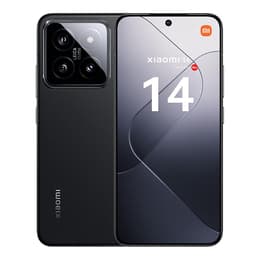
Xiaomi 14
Xiaomi 14
Starting at

Refurbished price:384.00

Versus €1,099.00 new

See options
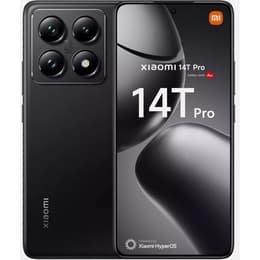
Xiaomi 14T Pro
Xiaomi 14T Pro
Starting at

Refurbished price:394.00

Versus €900.00 new

See options

Ratings

The Xiaomi 14, released globally in early 2024, and the Xiaomi 14T Pro, launched in late 2024, represent two distinct offerings within Xiaomi's smartphone lineup. While both devices operate on Android with Xiaomi's HyperOS, they cater to slightly different user preferences through variations in their display size, processing power, and camera configurations. This comparison aims to highlight the practical differences to help users make an informed choice.

Scores

Durability

Evaluating the longevity of a smartphone involves considering its release timeline, software support, and physical resilience.

  • Release Timeline: The Xiaomi 14 was introduced globally in February 2024, while the Xiaomi 14T Pro followed in September 2024. This later release date for the 14T Pro generally translates to a slightly longer period of official software support from the manufacturer. [2, 9]
  • Software Support: The Xiaomi 14 is expected to receive 4 years of Android OS updates and 5 years of security updates. The Xiaomi 14T Pro, being newer, is also anticipated to follow a similar or extended update schedule, ensuring both devices remain current with the latest features and security patches for several years. [3, 11]
  • Physical Durability: Both smartphones feature robust builds designed for everyday use. The Xiaomi 14 incorporates Corning Gorilla Glass Victus 2 for screen protection and boasts an IP68 rating for dust and water resistance. The Xiaomi 14T Pro also includes Corning Gorilla Glass Victus 2 and an IP68 rating, offering comparable protection against environmental elements. [8, 9, 12, 17]

Year of Release

2023

2024

Compatible with latest Update

Yes

Yes

OS

Android

Android

Foldable

No

No

Performance

Performance in modern smartphones is about more than just raw speed; it encompasses how smoothly the device handles daily tasks, demanding applications, and multitasking.

  • Processing Power: The Xiaomi 14 is equipped with a current-generation processor, enabling it to handle demanding applications and multitasking with ease. The Xiaomi 14T Pro features a different high-performance processor, also designed for smooth operation across various tasks, including intensive gaming and complex app usage. [2, 8]
  • Multitasking and Storage: Both devices offer ample RAM configurations, typically starting from 12GB, which supports efficient multitasking and quick app switching. Storage options range from 256GB up to 1TB, providing significant space for apps, media, and files. Neither device supports expandable storage via a microSD card. [1, 5, 6, 7, 9]
  • Battery Behavior: The Xiaomi 14 houses a 4610 mAh battery, which users report can last through a full day of typical usage, often achieving around 4.5 to 5 hours of screen-on time. The Xiaomi 14T Pro features a larger 5000 mAh battery, with user reports indicating it can comfortably last up to two days with moderate use or around 13 hours with 5 hours of screen time under heavy usage. [4, 5, 16, 20]

Memory (GB)

16 GB

16 GB

Screen quality

The display is a primary interface for smartphone interaction, influencing everything from media consumption to daily navigation.

  • Display Technology and Clarity: Both the Xiaomi 14 and Xiaomi 14T Pro feature vibrant OLED displays, known for their deep blacks and rich colors. The Xiaomi 14 has a 6.36-inch LTPO OLED screen with a resolution of 1200 x 2670 pixels, resulting in a pixel density of approximately 460 ppi. The Xiaomi 14T Pro offers a larger 6.67-inch AMOLED display with a resolution of 2712x1220 pixels, providing a pixel density of around 446 ppi. [1, 2, 6, 8]
  • Brightness and Refresh Rate: The Xiaomi 14's display offers an adaptive refresh rate up to 120Hz and can reach a peak brightness of 3000 nits, ensuring good visibility even in bright outdoor conditions. The Xiaomi 14T Pro steps up with a 144Hz refresh rate and an even higher peak brightness of 4000 nits, which can provide a slightly smoother visual experience and enhanced outdoor legibility. [1, 8, 9, 12]
  • Viewing Experience: Both displays support HDR10+ and Dolby Vision, delivering an immersive viewing experience for compatible content. The larger screen of the 14T Pro may offer a more expansive canvas for media consumption and gaming, while the Xiaomi 14 provides a more compact form factor. [2, 6, 8]

Resolution

1200 x 2670

1220 x 2712

Screen type

LTPO OLED

AMOLED

Audiovisual

The camera systems on both devices are a significant highlight, co-engineered with Leica to deliver advanced photographic capabilities.

  • Rear Camera System: The Xiaomi 14 features a versatile triple 50MP camera setup, including a main sensor with optical image stabilization (OIS), a 50MP ultrawide lens, and a 50MP telephoto lens offering 3.2x optical zoom. The Xiaomi 14T Pro also boasts a Leica-tuned triple camera system, comprising a 50MP primary sensor with OIS, a 50MP telephoto lens with 2.6x optical zoom, and a 12MP ultrawide camera. [3, 5, 6, 9, 22]
  • Photography Performance: Both phones excel in capturing detailed and vibrant images across various lighting conditions, benefiting from Leica's color science and computational photography. Users frequently praise the natural look of photos and the effective portrait modes on both devices. The Xiaomi 14's telephoto lens offers a slightly higher optical zoom, while the 14T Pro's main sensor is also highly capable in low-light scenarios. [4, 5, 14, 16, 21]
  • Video and Front Camera: Both devices are capable of recording video at up to 8K resolution, with the Xiaomi 14 supporting 8K at 24fps and the 14T Pro supporting 8K at 24/30fps. For selfies and video calls, both smartphones are equipped with a 32MP front-facing camera, delivering clear and detailed self-portraits. [3, 5, 6, 20, 22]

Main camera

50 megapixels

50 megapixels

Front camera

32 megapixels

32 megapixels

Miscellaneous

Beyond core specifications, several practical elements contribute to the overall user experience and daily usability of a smartphone.

  • Connectivity and Ports: Both the Xiaomi 14 and Xiaomi 14T Pro support 5G connectivity, Wi-Fi 7, and Bluetooth 5.4, ensuring fast and reliable wireless communication. The Xiaomi 14 features a USB 3.2 port, offering faster data transfer speeds, whereas the Xiaomi 14T Pro comes with a USB 2.0 port. Both include NFC for contactless payments and an IR blaster for controlling home electronics. [1, 5, 6, 19]
  • Biometrics and Audio: For secure unlocking, both devices incorporate an under-display optical fingerprint sensor. They also provide a rich audio experience with stereo speakers and support for Hi-Res Audio and Dolby Atmos, enhancing media consumption. [2, 8]
  • Design and Handling: The Xiaomi 14 has dimensions of 152.8 x 71.5 x 8.2 mm and weighs around 193g, offering a more compact and lighter feel. The Xiaomi 14T Pro is slightly larger and heavier at 160.4 x 75.1 x 8.4 mm and 209g, which might appeal to users preferring a larger device. Both feature premium build materials. [1, 6, 11, 12]

Weight

188 g

209 g

Screen size (in)

6.36

6.67

Network

5G

5G

SIM card

Dual Physical SIM

Dual Physical SIM

Carrier compatibility

Unlocked

Unlocked

Users considering the Xiaomi 14 and Xiaomi 14T Pro will find both to be high-performing Android smartphones with excellent features. The Xiaomi 14 is often praised for its compact form factor, powerful processor, and a highly capable camera system that delivers impressive photographic results, particularly with its 3.2x optical telephoto lens. Some users note its battery life is solid for a full day, though heavy users might find themselves charging by evening. [12, 16, 17]

The Xiaomi 14T Pro, on the other hand, receives commendation for its larger and brighter 144Hz display, significantly faster wired charging, and a larger battery capacity that often extends to two days of moderate use. Its camera system, also Leica-tuned, is highly regarded for its overall quality, though its ultrawide camera has a lower megapixel count compared to the Xiaomi 14. A frequent point of discussion among users is the 14T Pro's USB 2.0 port, which offers slower data transfer speeds compared to the Xiaomi 14's USB 3.2. [1, 5, 8, 19, 20]

Users prioritizing a more compact device with a slightly higher optical zoom on the telephoto lens and faster wired data transfer will find the Xiaomi 14 well-suited to their needs. Conversely, users who value a larger, brighter, and smoother display, along with extended battery life and exceptionally fast charging, may lean towards the Xiaomi 14T Pro. Both devices offer a quality-assured refurbished option, providing an eco-friendly alternative for those seeking premium features. Ultimately, the choice depends on individual preferences for screen size, charging speed, and specific camera capabilities.


See all articles

Our recent comparisons