

iPhone 13 Vs Xiaomi 14

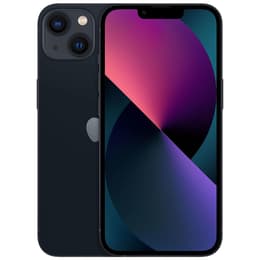
iPhone 13
iPhone 13
Starting at

Refurbished price:233.00

Versus €769.00 new

See options
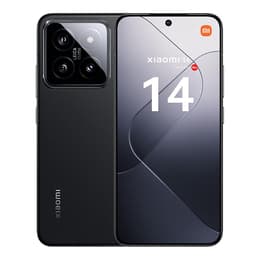
Xiaomi 14
Xiaomi 14
Starting at

Refurbished price:384.00

Versus €1,099.00 new

See options

Ratings

The iPhone 13 and the Xiaomi 14 are both compact smartphones, yet they originate from different ecosystems and were released at different times. The iPhone 13, an Apple device, was launched in September 2021, running on iOS. The Xiaomi 14, an Android device, made its debut in China in October 2023 and globally in February 2024, featuring Xiaomi's HyperOS based on Android. These devices offer distinct user experiences, primarily differing in their operating systems, display technology, and camera capabilities.

Scores

Durability

The longevity of a smartphone is influenced by its build quality, software support, and ease of repair. Both the iPhone 13 and Xiaomi 14 offer robust designs, but their software ecosystems and repair approaches vary.

  • Release Timeline: The iPhone 13 was released in September 2021, making it an older model compared to the Xiaomi 14, which launched in late 2023 and early 2024.
  • Software Support: The iPhone 13 shipped with iOS 15 and is compatible with iOS 18, with expectations for continued updates for several years. The Xiaomi 14 launched with HyperOS based on Android 14 and is expected to receive 4 years of OS updates and 5 years of security updates.
  • Repairability: The iPhone 13 initially received a repairability score of 5 out of 10 from iFixit, which later improved to 6 out of 10 after a software update addressed Face ID issues related to screen replacements. The Xiaomi 14 has a higher repairability score of 8.0 out of 10, indicating a more straightforward repair process for common components.

Year of Release

2021

2023

Compatible with latest Update

Yes

Yes

OS

iOS

Android

Foldable

No

No

Performance

Performance in smartphones is determined by the processor, RAM, and storage, impacting how smoothly applications run and how efficiently the device handles multitasking.

  • Processing Power: The iPhone 13 is equipped with Apple's A15 Bionic chip. The Xiaomi 14 features a newer generation processor, the Snapdragon 8 Gen 3. This difference in chip generation means the Xiaomi 14 generally offers more current processing capabilities for demanding applications and gaming.
  • Multitasking and Responsiveness: The Xiaomi 14 is available with 8GB, 12GB, or 16GB of RAM, while the iPhone 13 typically comes with 4GB of RAM. More RAM in the Xiaomi 14 can contribute to smoother multitasking and app switching, especially with numerous applications open simultaneously.
  • Storage Options: Both devices offer various storage configurations. The iPhone 13 is available with 128GB, 256GB, or 512GB of internal storage. The Xiaomi 14 offers 256GB, 512GB, or 1TB storage options.

Memory (GB)

4 GB

16 GB

Screen quality

The display is a primary interface for smartphone interaction, and its quality significantly impacts the user experience, from media consumption to daily browsing.

  • Display Technology and Size: The iPhone 13 features a 6.1-inch Super Retina XDR OLED display. The Xiaomi 14 has a slightly larger 6.36-inch LTPO AMOLED display. Both use OLED technology for vibrant colors and deep blacks.
  • Refresh Rate: The iPhone 13 has a standard 60Hz refresh rate. In contrast, the Xiaomi 14 features an adaptive refresh rate that can dynamically adjust from 1Hz to 120Hz, providing smoother scrolling and more fluid visuals, particularly noticeable in gaming and fast-paced content.
  • Brightness and Clarity: The iPhone 13 offers a typical brightness of up to 800 nits and a peak brightness of 1200 nits. The Xiaomi 14 boasts a higher peak brightness of 3000 nits, which can improve visibility in bright outdoor conditions. Both displays offer high resolution and pixel density for sharp images and text.

Resolution

1170 x 2532

1200 x 2670

Screen type

Super Retina XDR OLED

LTPO OLED

Audiovisual

Camera systems are a key differentiator for modern smartphones, with advancements in sensor technology, lens configurations, and software processing.

  • Rear Camera System: The iPhone 13 features a dual-camera setup with two 12MP lenses (wide and ultrawide). The Xiaomi 14 comes with a triple 50MP camera system, co-engineered with Leica, including wide, ultrawide, and telephoto lenses. The dedicated telephoto lens on the Xiaomi 14 allows for optical zoom capabilities not present on the standard iPhone 13.
  • Low-Light Performance: The Xiaomi 14 is noted for its strong low-light photography capabilities, attributed to its large sensor, wide aperture, Leica co-engineered lenses, and advanced image processing, including a dedicated Night Mode and Optical Image Stabilization (OIS). The iPhone 13 also offers good low-light performance with its larger sensors compared to previous generations.
  • Video Recording: The iPhone 13 supports Cinematic mode for video recording. The Xiaomi 14 is capable of recording 8K video at 24fps and 4K video at 60fps with its main camera, and 4K at 60fps with its front camera.

Main camera

12 megapixels

50 megapixels

Front camera

12 megapixels

32 megapixels

Miscellaneous

Beyond core features, several practical elements contribute to the overall usability and convenience of a smartphone.

  • Connectivity: Both devices support 5G connectivity. The Xiaomi 14 supports newer Wi-Fi standards (Wi-Fi 6E/7) and Bluetooth 5.4, compared to the iPhone 13's Wi-Fi 6 and Bluetooth 5.0.
  • Ports and Biometrics: The iPhone 13 uses Apple's proprietary Lightning port and features Face ID for biometric authentication. The Xiaomi 14 utilizes a USB-C 3.2 Gen 1 port and offers both an in-display fingerprint sensor and AI face unlock.
  • Design and Build: The iPhone 13 has a Ceramic Shield front cover and an IP68 rating for water and dust resistance. The Xiaomi 14 features Gorilla Glass Victus protection and also carries an IP68 rating. The Xiaomi 14 is slightly larger and heavier than the iPhone 13.

Weight

173 g

188 g

Screen size (in)

6.1

6.36

Network

5G

5G

SIM card

Physical SIM + eSIM

Dual Physical SIM

Carrier compatibility

Unlocked

Unlocked

Choosing between the iPhone 13 and Xiaomi 14 involves considering preferences for operating system, performance, and specific features. The iPhone 13, released in 2021, continues to offer a reliable iOS experience with a capable camera system and robust build. Users often praise its consistent performance and the intuitive nature of iOS. Some common criticisms might revolve around its 60Hz display, which is less fluid than many newer devices, and its Lightning port, which is less universal than USB-C.

The Xiaomi 14, a more recent device from late 2023/early 2024, provides a powerful Android experience with a high refresh rate display and a versatile Leica-branded camera system. Users frequently highlight its vibrant 120Hz display, fast charging capabilities, and strong camera performance, particularly in low light. Potential concerns might include the learning curve for Xiaomi's HyperOS for those accustomed to other Android interfaces, or the presence of pre-installed software.

Users prioritizing a long-standing ecosystem with consistent software updates and a familiar interface may find the iPhone 13 well-suited to their needs. Those who value the latest display technology, advanced camera features, faster charging, and the flexibility of the Android ecosystem might lean towards the Xiaomi 14. Both devices are available as quality-assured refurbished options, providing an eco-friendly alternative for consumers seeking to make sustainable choices.


See all articles

Our recent comparisons