

Dell Latitude 7390 13" Vs Microsoft Surface Go 2 10"

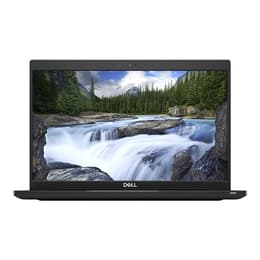
Dell Latitude 7390 13"
Starting at

Refurbished price:395.00

Versus €733.00 new

See options
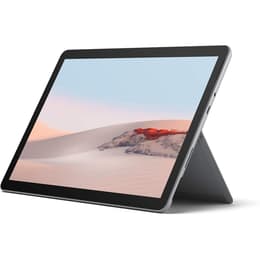
Microsoft Surface Go 2 10"
Starting at

Refurbished price:249.00

Versus €590.00 new

See options

The Dell Latitude 7390 13, released in 2018, is a traditional business-oriented laptop, while the Microsoft Surface Go 2 10, launched in 2020, is a compact 2-in-1 detachable tablet. Both devices operate on the Windows ecosystem, offering familiar software experiences. The primary distinction lies in their form factor and intended use: the Latitude prioritizes a robust laptop experience for productivity, whereas the Surface Go 2 emphasizes portability and versatility as a tablet-laptop hybrid.

Scores

Durability

When considering the long-term usability of these devices, their release timelines and design philosophies play a significant role.

  • Release Timeline: The Dell Latitude 7390 13 was released in 2018, making it an older model compared to the Microsoft Surface Go 2 10, which launched in May 2020. This difference in release year can impact the duration of future software support and the availability of newer features.
  • Software Longevity: Both devices run on the Windows operating system, meaning they benefit from Microsoft's ongoing software updates. However, the Surface Go 2, being a newer device, is likely to receive major Windows feature updates for a longer period than the Latitude 7390. The Latitude 7390 typically shipped with Windows 10 Pro, while the Surface Go 2 came with Windows 10 Home in S mode, which can be upgraded to full Windows 10 or 11.
  • Build and Repairability: The Dell Latitude 7390 is built with business-grade materials, including options for machined aluminum, carbon fiber, or magnesium alloy, and is MIL-STD 810G tested for durability against environmental extremes. This robust construction suggests a design intended for sustained use in demanding environments. The Surface Go 2 features a magnesium alloy construction, offering a premium feel in a more compact form. While specific repairability scores vary, traditional laptops like the Latitude series often offer more straightforward component access compared to highly integrated 2-in-1 devices like the Surface Go 2.

Year of Release

2017

2019

Last Os Compatibility

Yes

Yes

OS

Windows 11

Windows 11

Performance

The performance capabilities of the Dell Latitude 7390 13 and the Microsoft Surface Go 2 10 cater to different user needs, largely influenced by their internal components.

  • Processing Power: The Dell Latitude 7390 is equipped with 8th generation Intel Core i5 or i7 processors, providing substantial power for demanding applications, extensive multitasking, and complex computations. This allows for smooth operation when running multiple applications simultaneously or handling large datasets. In contrast, the Surface Go 2 utilizes Intel Pentium Gold or Core m3 processors, which are designed for efficiency and lighter tasks. It handles web browsing, streaming, and basic productivity applications effectively, but may show limitations with more intensive software.
  • Memory and Storage: The Latitude 7390 typically offers 8GB or 16GB of RAM, facilitating efficient multitasking and smoother transitions between applications. It also provides various SSD storage options, including faster PCIe NVMe drives, ranging from 128GB to 1TB, ensuring quick boot times and rapid data access. The Surface Go 2 comes with 4GB or 8GB of RAM, which is suitable for its intended use cases. Storage options include 64GB eMMC or 128GB/256GB SSDs, with eMMC being slower than SSDs.
  • Battery Behavior: The Dell Latitude 7390, with its larger chassis, often includes higher capacity batteries (42 WHr or 60 WHr) designed to support a full workday for many users. The Surface Go 2 aims for portability, and while Microsoft states up to 10 hours of typical use, real-world battery life for heavy usage can be shorter, with some users reporting around 5-5.5 hours for tasks like OneNote or 3-5 hours for light browsing.

Memory (GB)

8 GB

8 GB

Processor

Core i7 - Gen 8 (U)

Pentium Gold 4425Y

Graphic card

Integrated Graphics

Integrated Graphics

Screen quality

The visual experience on these two devices differs significantly due to their display characteristics and form factors.

  • Display Technology and Resolution: The Dell Latitude 7390 features a 13.3-inch Full HD (1920x1080) IPS anti-glare display. This provides clear visuals and good viewing angles, suitable for extended work sessions. The Microsoft Surface Go 2 offers a 10.5-inch PixelSense Display with a resolution of 1920 x 1280 pixels, resulting in a higher pixel density of 220 PPI and a 3:2 aspect ratio. The taller aspect ratio of the Surface Go 2 can be beneficial for document viewing and web browsing, offering more vertical screen real estate.
  • Brightness and Clarity: The Latitude 7390 typically provides a brightness of around 300 nits, which is adequate for indoor use and some outdoor conditions. The Surface Go 2's PixelSense display is known for its vibrant colors and can reach brightness levels of 390-408 nits, making it more comfortable for use in brighter environments. Both displays offer good clarity for their respective sizes.
  • Touch and Refresh Rate: While some configurations of the Latitude 7390 include a touch-enabled screen, it is primarily a traditional laptop experience. The Surface Go 2, being a 2-in-1 device, features a 10-point multi-touch display with Corning Gorilla Glass 3 for durability, making it highly responsive to touch input and suitable for pen use (pen sold separately). Both devices generally feature a standard 60Hz refresh rate.

Resolution

1920 x 1080

1920 x 1280

Screen type

IPS

IPS

Camera

Audiovisual

The audio-visual capabilities of the Dell Latitude 7390 13 and the Microsoft Surface Go 2 10 reflect their distinct design priorities.

  • Camera System: The Dell Latitude 7390 typically includes an HD webcam, with some configurations offering an infrared (IR) camera for Windows Hello facial recognition. These cameras are generally functional for standard video conferencing. The Surface Go 2, designed with portability and tablet use in mind, features a more capable camera setup. It includes a 5MP front-facing camera that supports 1080p HD video and an IR camera for Windows Hello, alongside an 8MP rear-facing camera also capable of 1080p HD video. This makes the Surface Go 2 more versatile for video calls, quick photo capture, and document scanning.
  • Microphone Quality: The Latitude 7390 incorporates noise-reducing array microphones, which are beneficial for clear communication in professional settings. The Surface Go 2 features dual Studio Mics, designed to enhance voice clarity and reduce background noise, which is particularly useful for online meetings and calls.
  • Speaker Output: Both devices offer integrated speakers. The Dell Latitude 7390 includes high-quality speakers, suitable for general audio playback and conference calls. The Surface Go 2 is equipped with 2W stereo speakers with Dolby Audio, providing clear sound for media consumption and video calls.

Miscellaneous

Beyond core performance and display, several practical elements differentiate the user experience of the Dell Latitude 7390 13 and the Microsoft Surface Go 2 10.

  • Connectivity Options: The Dell Latitude 7390 offers a comprehensive array of ports, including a Thunderbolt 3 port, multiple USB 3.1 Gen 1 (USB-A) ports, HDMI 1.4, and an RJ-45 Ethernet port, providing extensive connectivity for peripherals and external displays. It also includes a microSD card reader and optional mobile broadband. The Surface Go 2, in its compact design, features a USB-C port (supporting charging and video out), a Surface Connect port for charging and docking, a 3.5mm headphone jack, a microSDXC card slot, and optional LTE connectivity.
  • Security and Biometrics: The Latitude 7390 often includes advanced security features such as an optional SmartCard Reader, a Noble Wedge Lock slot, and an optional fingerprint reader, in addition to IR facial recognition for Windows Hello. The Surface Go 2 supports Windows Hello facial recognition via its IR camera.
  • Portability and Build Materials: The Latitude 7390 is a 13.3-inch laptop weighing between 1.17 kg and 1.19 kg, with dimensions around 305 x 208 x 16 mm. Its construction uses durable materials like aluminum, carbon fiber, or magnesium alloy. The Surface Go 2 is significantly lighter and more compact, weighing approximately 544g (1.2 lbs) without the Type Cover, and measuring 245 x 175 x 8.3 mm. Its magnesium alloy body contributes to its premium feel and portability.

Weight

1500 g

800 g

Screen size

13

10

User feedback for the Dell Latitude 7390 often highlights its reliability and robust build quality, making it a dependable choice for professional use. Many appreciate its comprehensive port selection and the comfortable typing experience of its keyboard. Criticisms sometimes point to its design, which can feel less modern compared to newer laptops, and its weight for frequent travel. The Microsoft Surface Go 2 is frequently praised for its exceptional portability, vibrant display, and versatility as a 2-in-1 device, making it a strong contender for on-the-go productivity and media consumption. Users often commend its excellent webcam and microphone quality for video calls. However, common concerns revolve around its more modest performance, especially with the base configurations, and the fact that essential accessories like the Type Cover and Surface Pen are sold separately. Some users also report that real-world battery life can fall short of advertised figures under certain usage patterns.

Users prioritizing a traditional, powerful, and highly connectable laptop for demanding work and extensive multitasking may find the Dell Latitude 7390 13 better suited to their needs. Its robust construction and array of ports cater to a stationary or office-centric workflow. Conversely, individuals who value extreme portability, a flexible tablet experience, and excellent video conferencing capabilities for light productivity and media consumption will likely lean towards the Microsoft Surface Go 2 10. Its compact size and touch-optimized display make it ideal for students, travelers, or those needing a secondary, highly mobile device. Both models are available as quality-assured refurbished options, providing an eco-friendly alternative for consumers.


See all articles

Our recent comparisons