

Dell Latitude 5410 14" Vs Microsoft Surface Go 2 10"

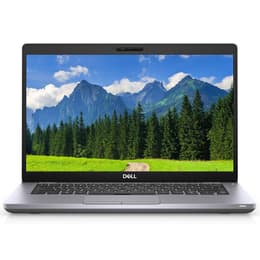
Dell Latitude 5410 14"
Starting at

Refurbished price:312.12

Versus €1,167.40 new

See options
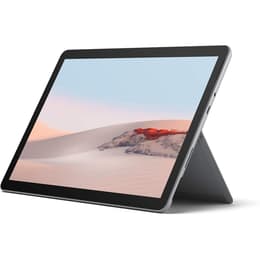
Microsoft Surface Go 2 10"
Starting at

Refurbished price:249.00

Versus €590.00 new

See options

Ratings

The Dell Latitude 5410 14 and the Microsoft Surface Go 2 10, both released in 2020, offer distinct computing experiences tailored to different user needs. The Latitude 5410 is a traditional business-oriented laptop designed for robust productivity, while the Surface Go 2 is a highly portable 2-in-1 tablet that prioritizes flexibility and on-the-go use. Both devices run on the Windows operating system, but their form factors and core capabilities lead to varied practical applications.

Scores

Durability

When considering the long-term usability of these devices, their release year and design play a significant role in expected software support and physical longevity.

  • Software Longevity: Both devices, having been released in 2020, are expected to receive operating system updates for several years, ensuring continued access to new features and security patches. The Dell Latitude, as a conventional laptop, typically offers straightforward software maintenance. The Surface Go 2, while also running Windows, may have a slightly different update cadence due to its tablet-first design.
  • Repairability and Upgradability: The Dell Latitude 5410 is generally regarded as a business-grade laptop with good upgradeability, allowing users to expand RAM and storage, which can extend its useful life. Its construction is designed for easier access to internal components for servicing. In contrast, the Microsoft Surface Go 2, due to its compact tablet form factor, presents more challenges for repair. While the Surface Go 2 introduced some improvements over its predecessor, making it slightly easier to open, components like the display are still held by adhesive, and RAM and storage are typically soldered, limiting user-level upgrades.
  • Physical Durability: The Latitude 5410 features a robust build suitable for daily business use. The Surface Go 2 utilizes a magnesium alloy body and Gorilla Glass 3 for screen protection, offering a durable yet lightweight design.

Year of Release

2020

2019

Last Os Compatibility

Yes

Yes

OS

Windows 11

Windows 11

Performance

The performance capabilities of the Dell Latitude 5410 14 and the Microsoft Surface Go 2 10 are geared towards different usage scenarios, reflecting their underlying hardware configurations.

  • Processing Power: The Dell Latitude 5410 is equipped with 10th Generation Intel Core processors, ranging from i3 to i7, and supports up to 64GB of RAM. This hardware configuration allows it to handle demanding business applications, extensive multitasking, and more complex computational tasks smoothly. Users will experience quick application loading and efficient performance for productivity software. The Microsoft Surface Go 2, on the other hand, features Intel Pentium Gold or Core m3 processors with up to 8GB of RAM. The Core m3 variant offers a noticeable performance boost over the Pentium Gold, making it suitable for web browsing, media consumption, and light office work.
  • Storage and Responsiveness: The Latitude 5410 typically comes with fast NVMe SSD storage, contributing to overall system responsiveness and quick boot times. The Surface Go 2 offers eMMC or SSD storage options, with SSD configurations providing a more responsive experience.
  • Battery Behavior: The Dell Latitude 5410, with its larger battery options (up to 68Wh), can provide extended usage, with some configurations offering over 10 hours of battery life for web browsing. Users report around 7 to 8 hours under regular workloads. The Surface Go 2 offers up to 10 hours of battery life under typical usage, with real-world usage often falling between 8.5 to 9 hours for mixed workloads.

Memory (GB)

16 GB

8 GB

Processor

Core i5 - Gen 10 (U)

Pentium Gold 4425Y

Graphic card

Integrated Graphics

Integrated Graphics

Screen quality

The visual experience on these two devices differs significantly due to their display technologies, sizes, and resolutions.

  • Display Technology and Size: The Dell Latitude 5410 features a 14-inch Full HD (1920x1080) anti-glare LCD display. Some configurations include touch functionality. The anti-glare finish is beneficial for use in varied lighting conditions. The Microsoft Surface Go 2 has a smaller 10.5-inch PixelSense Display with a resolution of 1920x1280 and a 3:2 aspect ratio. This display is touch-enabled and offers a vivid viewing experience.
  • Clarity and Brightness: Both devices offer clear visuals suitable for their respective screen sizes. User feedback for the Latitude 5410 sometimes notes its display as being of average quality, with some configurations exhibiting lower brightness levels and the use of PWM at reduced brightness. The Surface Go 2's display is praised for its vividness and good color accuracy, covering a high percentage of sRGB colors.
  • Viewing Experience: The larger screen of the Latitude 5410 provides more screen real estate for multitasking and detailed work. The Surface Go 2's smaller, higher-resolution display with a 3:2 aspect ratio is well-suited for content consumption and document viewing, offering a more tablet-like experience.

Resolution

1920 x 1080

1920 x 1280

Screen type

LCD

IPS

Camera

Audiovisual

Both devices incorporate camera and audio systems designed to facilitate communication and media consumption, though with different strengths.

  • Camera Capabilities: The Dell Latitude 5410 includes a 720p IR HD webcam, often with a privacy shutter, suitable for video conferencing. The Microsoft Surface Go 2 features a 5MP front-facing camera capable of 1080p HD video and an 8MP rear camera, also with 1080p HD video recording. The front camera on the Surface Go 2 is noted for its quality in video calls.
  • Microphone and Speaker Quality: The Latitude 5410 is equipped with an integrated microphone and dual 2W speakers. The Surface Go 2 boasts dual far-field studio microphones and stereo speakers with Dolby Audio, enhancing the audio experience for calls and media.
  • Additional Features: The Surface Go 2 also supports Windows Hello facial recognition for secure login via its IR camera.

Miscellaneous

Beyond core performance and display, several practical elements differentiate the Dell Latitude 5410 14 and the Microsoft Surface Go 2 10, impacting their usability and portability.

  • Connectivity Options: The Dell Latitude 5410 offers a comprehensive array of ports, including multiple USB-A ports, a USB-C port with DisplayPort and Power Delivery (with optional Thunderbolt 3 support), HDMI, an Ethernet port, and a microSD card reader. It also supports Wi-Fi 6 and Bluetooth 5.1. The Surface Go 2 provides a USB-C port, a Surface Connect port, a microSD card reader, and a headphone jack. It also supports Wi-Fi 6 and Bluetooth 5, with optional LTE for mobile connectivity.
  • Portability and Design: The Latitude 5410 is a traditional laptop, starting at approximately 1.47 kg, making it a moderately portable device for its class. Its dimensions are typical for a 14-inch laptop. The Surface Go 2 is significantly lighter and more compact, weighing around 544 grams, and features a built-in kickstand for versatile positioning. Its 2-in-1 design allows it to function as both a tablet and, with an optional Type Cover, a laptop.
  • Input and Security: The Latitude 5410 features a full-size keyboard and a touchpad, with some configurations offering a fingerprint reader. The Surface Go 2 relies on an optional Type Cover for its keyboard and trackpad, which some users find cramped for extended typing. It supports Windows Hello facial recognition for secure login.

Weight

1520 g

800 g

Screen size

14

10

User feedback for the Dell Latitude 5410 14 often highlights its solid performance for business tasks, robust build quality, and impressive battery life as key strengths. Its comprehensive port selection and upgradeability are also frequently praised. Some users, however, have noted that the display quality can be average compared to other modern laptops. The Microsoft Surface Go 2 10 receives commendation for its exceptional portability, vivid touch display, and improved battery life over its predecessor, making it a strong contender for on-the-go media consumption and light productivity. Its high-quality front-facing camera is also a frequent positive point for video conferencing. Common criticisms include the potentially cramped nature of its optional Type Cover keyboard for prolonged typing and the fact that base models might feel underpowered for more demanding applications.

Users prioritizing a traditional laptop experience with robust performance for demanding applications, extensive connectivity, and a larger screen for multitasking will find the Dell Latitude 5410 14 well-suited to their needs. Its business-oriented features and upgradeability make it a practical choice for professionals and students requiring a dependable workhorse. Conversely, individuals who value extreme portability, touch interaction, and a device primarily for web browsing, media consumption, and light productivity on the move may lean towards the Microsoft Surface Go 2 10. Its tablet form factor and lightweight design offer flexibility for various environments.

Both devices represent excellent options within their respective categories, and considering quality-assured refurbished options can provide an eco-friendly alternative for acquiring either model.

See all articles

Our recent comparisons