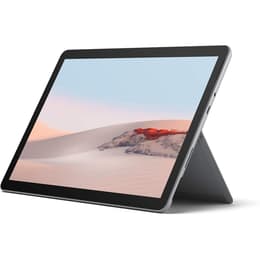
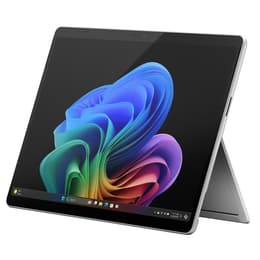


Microsoft Surface Go 2 10" Vs Microsoft Surface Pro 6 12"

Microsoft Surface Go 2 10"
Starting at

Refurbished price:249.00

Versus €590.00 new

See options
Microsoft Surface Pro 6 12"
Starting at

Refurbished price:424.00

Versus €899.00 new

See options

Ratings

The Microsoft Surface Go 2, released in May 2020, and the Microsoft Surface Pro 6, launched in October 2018, are both versatile 2-in-1 devices designed to offer a blend of tablet portability and laptop functionality. Both models operate on the Windows platform, providing a familiar computing experience. The primary distinctions between these two devices lie in their size, overall portability, and the level of performance they deliver for various computing tasks.

Scores

Durability

When considering the longevity of these devices, several factors come into play, including their release dates and the support they receive.

  • Release Timeline: The Surface Go 2 was introduced in May 2020, making it a newer device compared to the Surface Pro 6, which was released in October 2018. This difference in launch dates can influence the duration of software support.
  • Operating System Support: Both devices run on the Windows operating system, which generally receives long-term updates from Microsoft. However, the Surface Go 2, being the more recent model, is likely to receive official major OS updates for a slightly longer period than the Surface Pro 6.
  • Practical Lifespan: The Surface Pro 6, with its more capable internal components, may offer a longer practical lifespan for users who require consistent performance for more demanding applications. The Surface Go 2, while newer, is designed for lighter tasks, meaning its utility for intensive workloads might diminish sooner.

Year of Release

2019

2017

Last Os Compatibility

Yes

Yes

OS

Windows 11

Windows 11

Performance

The performance capabilities of the Surface Go 2 and Surface Pro 6 cater to different user needs, primarily due to their distinct internal hardware configurations.

  • Processor Capabilities: The Surface Go 2 is equipped with processors suitable for everyday computing, such as web browsing, email, and document editing, allowing for smooth operation in these common scenarios. In contrast, the Surface Pro 6 features more powerful processors, enabling it to handle more intensive multitasking and demanding applications with greater responsiveness.
  • Memory and Storage: The Surface Go 2 typically comes with memory configurations that support efficient light multitasking. The Surface Pro 6 offers higher memory options, which contribute to a more fluid experience when running multiple applications simultaneously or working with larger files. Storage options also differ, with the Surface Pro 6 generally providing larger and faster solid-state drive capacities compared to the Surface Go 2's more modest offerings.
  • Battery Behavior: The Surface Go 2 is designed to offer extended usage on a single charge, providing up to 10 hours of typical device usage, though real-world results can vary based on activity. The Surface Pro 6 is rated for up to 13.5 hours of local video playback, suggesting robust endurance for media consumption and productivity throughout the day.

Memory (GB)

8 GB

8 GB

Processor

Pentium Gold 4425Y

Core i5 - Gen 8 (U)

Graphic card

Integrated Graphics

Integrated Graphics

Screen quality

Both Surface devices feature high-quality displays, but they differ in size and resolution, impacting the visual experience.

  • Display Technology and Clarity: Both the Surface Go 2 and Surface Pro 6 utilize PixelSense displays, known for their vibrant colors and clear visuals. The Surface Go 2 features a 10.5-inch display with a resolution of 1920 x 1280 pixels, resulting in a pixel density of 220 PPI. The Surface Pro 6 offers a larger 12.3-inch display with a higher resolution of 2736 x 1824 pixels, providing a sharper image with 267 PPI.
  • Brightness and Viewing Experience: Both screens offer adequate brightness for indoor environments. The larger screen and higher resolution of the Surface Pro 6 provide a more expansive workspace, which can be beneficial for productivity and detailed content viewing. The Surface Go 2's smaller screen prioritizes portability, making it suitable for on-the-go use.
  • Aspect Ratio and Touch: Both devices maintain a 3:2 aspect ratio, which is well-suited for document viewing and web browsing. Both displays also support 10-point multi-touch input, enabling intuitive interaction.

Resolution

1920 x 1280

2736 x 1824

Screen type

IPS

IPS

Camera

Audiovisual

The camera and audio capabilities of both Surface devices are designed to support common communication and media consumption needs.

  • Camera System Capabilities: Both the Surface Go 2 and Surface Pro 6 are equipped with a 5-megapixel front-facing camera and an 8-megapixel rear-facing camera. These cameras are capable of recording video in 1080p, making them suitable for video calls and capturing everyday moments.
  • Microphone Quality: Each device includes dual microphones, which are designed to enhance voice clarity and reduce background noise during calls or when recording audio.
  • Speaker Output: Both models feature stereo speakers with Dolby Audio, providing a clear and immersive sound experience for watching videos, listening to music, or participating in online meetings.

Miscellaneous

Beyond core performance and display, several practical elements differentiate the Surface Go 2 and Surface Pro 6.

  • Connectivity Options: The Surface Go 2 offers more modern wireless connectivity, including Wi-Fi 6 and Bluetooth 5.0, with an option for LTE Advanced for mobile internet access. The Surface Pro 6 features Wi-Fi 5 (802.11ac) and Bluetooth 4.1.
  • Port Types: The Surface Go 2 includes a versatile USB-C port, a 3.5mm headphone jack, a Surface Connect port, and a MicroSDXC card reader. The Surface Pro 6 provides a full-size USB 3.0 (Type-A) port, a Mini DisplayPort, a 3.5mm headphone jack, a Surface Connect port, and a MicroSDXC card reader, but notably lacks a built-in USB-C port.
  • Weight and Dimensions: The Surface Go 2 is designed for maximum portability, weighing approximately 544 grams (1.2 lbs) and measuring 245 mm x 175 mm x 8.3 mm. The Surface Pro 6 is larger and heavier, at around 770-784 grams (1.7-1.73 lbs) and dimensions of 292 mm x 201 mm x 8.5 mm, offering a more substantial feel. Both devices feature Windows Hello for facial recognition login.

Weight

800 g

1120 g

Screen size

10

12

User feedback for the Surface Go 2 often highlights its exceptional portability and compact design, making it a convenient device for light tasks and on-the-go use. Common criticisms, however, point to its limited performance for more demanding applications and its smaller screen size, which can be restrictive for extensive productivity.

The Surface Pro 6 generally receives praise for its robust performance, larger display, and overall suitability for productivity-focused tasks. Conversely, frequent concerns include its older connectivity options, particularly the absence of a USB-C port, and its comparatively heavier build.

Users prioritizing extreme portability, a compact form factor, and devices primarily for web browsing, email, and media consumption may find the Surface Go 2 well-suited to their needs. For individuals requiring more processing power for multitasking, demanding software, or creative work, who still value a versatile 2-in-1 design, the Surface Pro 6 presents a more aligned option. Both devices offer distinct advantages depending on individual usage patterns and priorities. Exploring quality-assured refurbished options for either model can provide an eco-friendly alternative for consumers.


See all articles

Our recent comparisons