

Dell Latitude 7390 13" Vs Microsoft Surface Pro 7 12"

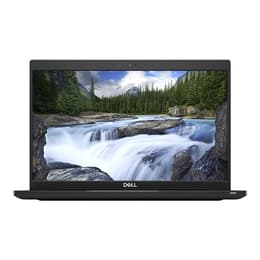
Dell Latitude 7390 13"
Starting at

Refurbished price:395.00

Versus €733.00 new

See options
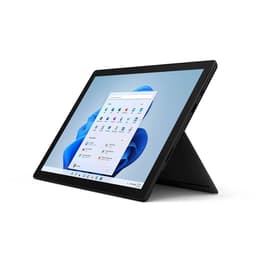
Microsoft Surface Pro 7 12"
Starting at

Refurbished price:334.00

Versus €1,399.00 new

See options

The Dell Latitude 7390 13, released in 2018, is a business-oriented laptop, often available in a traditional clamshell or 2-in-1 convertible form factor. In contrast, the Microsoft Surface Pro 7, launched in late 2019, is a 2-in-1 detachable tablet designed for versatility. Both devices operate on the Windows platform, but they cater to different user preferences through their distinct designs and core functionalities.

Scores

Durability

The expected lifespan of these devices is influenced by their release dates and design philosophies. The Dell Latitude 7390, being an older model, has received fewer years of major operating system updates compared to the Surface Pro 7.

  • OS Support: The Surface Pro 7, released in 2019, benefits from a longer period of Windows operating system updates compared to the Dell Latitude 7390, which was released in 2018. This means the Surface Pro 7 will likely receive security patches and feature updates for a longer duration.
  • Repairability: The Surface Pro 7 received a low repairability score of 1 out of 10 from iFixit, primarily due to its display and battery being difficult to remove and replace, and soldered components. The Dell Latitude 7390, while not having a widely published iFixit score, is generally considered more serviceable than many consumer-grade devices, though specific component replacement ease can vary.
  • Practical Lifespan: Users seeking the longest possible software support and a device that might be easier to maintain through component replacement may find differences between these models. The Surface Pro 7's design makes internal repairs challenging, potentially limiting its practical lifespan if key components fail.

Year of Release

2017

2019

Last Os Compatibility

Yes

Yes

OS

Windows 11

Windows 11

Performance

Both devices offer capable performance for everyday tasks, though the Surface Pro 7 benefits from a newer generation of internal components.

  • Processing Power: The Dell Latitude 7390 features 8th generation Intel Core processors, which handle general productivity applications and multitasking efficiently. The Surface Pro 7, equipped with 10th generation Intel Core processors, provides a noticeable boost in speed for demanding applications and smoother overall system responsiveness.
  • Multitasking and Storage: Both models offer configurations with 8GB or 16GB of RAM, allowing for effective multitasking. The Dell Latitude 7390 typically comes with DDR4 RAM, while the Surface Pro 7 utilizes LPDDR4x RAM, which can offer slightly faster memory performance. Storage options for both include solid-state drives (SSDs) ranging from 128GB up to 1TB, providing quick boot times and application loading.
  • Battery Behavior: The Dell Latitude 7390 includes a 60 Wh battery, designed to support a full workday for typical business use. The Surface Pro 7 has a 43.2Wh battery, with Microsoft claiming up to 10.5 hours of battery life. However, real-world usage reports often indicate shorter durations, sometimes around 4-8 hours, particularly for intensive tasks, and some users noted a decrease in battery longevity compared to its predecessor.

Memory (GB)

8 GB

8 GB

Processor

Core i7 - Gen 8 (U)

Core i5 - Gen 10 (G4)

Graphic card

Integrated Graphics

Integrated Graphics

Screen quality

The visual experience on these devices differs in terms of display technology, resolution, and overall clarity.

  • Display Technology and Clarity: The Dell Latitude 7390 features a 13.3-inch Full HD (1920 x 1080) IPS display with an anti-glare, matte finish, which is beneficial for reducing reflections in bright environments. The Surface Pro 7 offers a 12.3-inch PixelSense touchscreen with a higher resolution of 2736 x 1824 pixels, resulting in a sharper image with more detail.
  • Brightness and Refresh Rate: The Latitude 7390 typically provides 300 nits of brightness, suitable for indoor use and some outdoor conditions. The Surface Pro 7 boasts a brighter display at 400 nits, enhancing visibility in varied lighting. Both devices feature a standard 60 Hz refresh rate, which is adequate for general computing tasks.
  • Viewing Experience: The Surface Pro 7's 3:2 aspect ratio offers more vertical screen real estate, which can be advantageous for document work and web browsing. The Dell Latitude 7390's 16:9 aspect ratio is more common for media consumption. The Surface Pro 7's glossy touchscreen is designed for touch and pen input, while the Latitude 7390's matte finish prioritizes reduced glare.

Resolution

1920 x 1080

2736 x 1824

Screen type

IPS

IPS

Camera

Audiovisual

The camera and audio capabilities of these devices are tailored to their primary use cases, with the Surface Pro 7 emphasizing video conferencing and tablet functionality.

  • Camera System: The Dell Latitude 7390 includes an HD webcam, suitable for standard video calls. The Surface Pro 7 features a 5-megapixel front-facing camera with Windows Hello facial authentication and an 8-megapixel rear-facing camera, offering more versatility for photography and scanning documents.
  • Photography and Video Quality: While the Surface Pro 7's cameras offer higher megapixel counts, some users have reported issues with the front camera's quality, describing it as blurry or having a "smoothing" effect. The Dell Latitude 7390's HD webcam provides clear enough visuals for typical online meetings. Both devices support 1080p HD video recording.
  • Audio Experience: Both laptops are equipped with integrated microphones for calls and speakers for media playback. The Surface Pro 7 includes dual far-field studio microphones, designed to capture clear audio from a distance, and offers Dolby Audio for an enhanced listening experience.

Miscellaneous

Beyond core specifications, several practical elements differentiate these two devices, impacting their usability and portability.

  • Connectivity Options: The Dell Latitude 7390 offers a comprehensive selection of ports, including USB Type-C (with DisplayPort), multiple USB Type-A ports, HDMI, Ethernet, and a microSD card reader, with some configurations including Thunderbolt 3. The Surface Pro 7 includes a USB-C port (without Thunderbolt 3), a USB-A port, a 3.5mm headphone jack, a Surface Connect port, and a microSDXC card reader. The Surface Pro 7 supports newer Wi-Fi 6 and Bluetooth 5.0 standards, while the Latitude 7390 uses Wi-Fi 5 and Bluetooth 4.2.
  • Portability and Build: The Dell Latitude 7390 is a traditional laptop weighing between 1.17 kg and 1.3 kg, built with durable materials like aluminum, carbon fiber, or magnesium alloy, and is MIL-STD 810G tested for ruggedness. The Surface Pro 7, as a tablet, is lighter at approximately 771 grams (without its Type Cover) and features a full-body magnesium alloy construction. Its kickstand allows for flexible positioning.
  • Security and Input: Both devices support Windows Hello for secure login, with the Latitude 7390 offering fingerprint and facial recognition (via infrared cameras), and the Surface Pro 7 using facial authentication. The Surface Pro 7 is designed for touch and pen input, with an optional Type Cover providing a keyboard and trackpad.

Weight

1500 g

775 g

Screen size

13

12

User feedback often highlights the Dell Latitude 7390's robust build and extensive port selection as strong points, making it a reliable choice for business and productivity. Some users appreciate its traditional laptop form factor for consistent typing experiences. Criticisms sometimes point to its older design and potentially less vibrant display compared to newer devices.

The Microsoft Surface Pro 7 is frequently praised for its versatile 2-in-1 design, high-resolution touchscreen, and portability, making it suitable for users who need both a tablet and a laptop. However, common concerns include its battery life, which some users found to be shorter than advertised, and the repairability challenges due to its construction. The front camera quality has also been a point of discussion among users.

Users prioritizing a traditional laptop experience with a wide array of physical ports and a focus on durability may find the Dell Latitude 7390 better suited to their needs. Conversely, individuals who value a lightweight, adaptable 2-in-1 device with a high-resolution touchscreen and modern wireless connectivity might lean towards the Microsoft Surface Pro 7. For those considering either device, exploring quality-assured refurbished options can provide a sustainable choice for acquiring these capable machines.


See all articles

Our recent comparisons