

Xiaomi 13T Vs Xiaomi 14

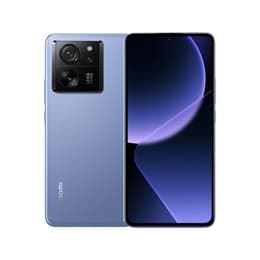
Xiaomi 13T
Xiaomi 13T
Starting at

Refurbished price:183.00

Versus €630.00 new

See options
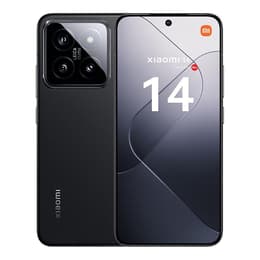
Xiaomi 14
Xiaomi 14
Starting at

Refurbished price:386.00

Versus €1,099.00 new

See options

Ratings

The Xiaomi 13T, released in September 2023, and the Xiaomi 14, launched globally in February 2024, are two Android smartphones from Xiaomi that cater to different user priorities. While both devices offer a premium experience, the Xiaomi 14 introduces a more compact design, a newer generation processor, and enhanced camera capabilities, setting it apart from its slightly older counterpart. Both operate on the Android platform, with the Xiaomi 14 featuring a more recent version out of the box.

Scores

Durability

When considering the long-term usability of these devices, their release timelines and software support policies are key factors.

  • Release and Software Support: The Xiaomi 13T was released in September 2023, while the Xiaomi 14 followed with a global launch in February 2024. Xiaomi has committed to providing four generations of Android OS updates and five years of security patches for both models. This means the Xiaomi 13T, launching with Android 13, is expected to receive updates up to Android 17, while the Xiaomi 14, launching with Android 14, will extend its OS support to Android 18.
  • Practical Lifespan: The Xiaomi 14 benefits from a slightly longer expected software lifespan due to its later release date and newer initial Android version. Both devices are designed with an IP68 rating for dust and water resistance, contributing to their durability in everyday use.
  • Repairability: The Xiaomi 14 has a moderate repairability score of 8.0 out of 10, indicating that some components are accessible for repair, though adhesive use for the back cover and battery can present challenges. Information regarding the specific repairability score for the Xiaomi 13T is not as readily available, but both models are generally designed with some repair in mind.

Performance

The performance of a smartphone is largely determined by its internal components and how efficiently they handle various tasks.

  • Processing Power: The Xiaomi 14 features a newer generation processor, which translates to a noticeable improvement in handling demanding applications, complex multitasking, and graphics-intensive gaming. Users can expect smoother operation and faster response times across the system. The Xiaomi 13T, while still offering robust performance for daily tasks and most applications, utilizes a previous generation processor.
  • Multitasking and Responsiveness: Both devices offer ample RAM configurations, with the Xiaomi 14 typically starting with 12GB and offering higher options, compared to the Xiaomi 13T's 8GB or 12GB configurations. This difference can impact how many applications can run simultaneously in the background without performance degradation, with the Xiaomi 14 providing more headroom for heavy users.
  • Storage Options: The Xiaomi 14 offers storage options up to 512GB or even 1TB in some configurations, while the Xiaomi 13T is commonly available with 256GB of storage. This provides the Xiaomi 14 with greater flexibility for users who require extensive storage for media, applications, and files.

Memory (GB)

8 GB

16 GB

Screen quality

The visual experience on a smartphone is heavily influenced by its display technology and specifications.

  • Display Technology and Clarity: The Xiaomi 13T features a 6.67-inch AMOLED display, offering vibrant colors and deep blacks. The Xiaomi 14, on the other hand, comes with a slightly smaller 6.36-inch LTPO OLED display. Both technologies provide excellent visual quality, but the LTPO panel in the Xiaomi 14 allows for a more adaptive refresh rate, which can contribute to better power efficiency.
  • Brightness and Refresh Rate: Both displays offer high refresh rates for smooth scrolling and animations. The Xiaomi 13T boasts a 144Hz refresh rate, while the Xiaomi 14 features an adaptive 120Hz refresh rate. In terms of brightness, the Xiaomi 14 can reach a peak brightness of 3000 nits, making it exceptionally legible in bright outdoor conditions, surpassing the Xiaomi 13T's 2600 nits peak brightness.
  • Viewing Experience: The Xiaomi 13T offers a larger screen size, which might be preferred by users who consume a lot of media or prefer more screen real estate for productivity. The Xiaomi 14's slightly smaller display contributes to its more compact form factor, making it easier for one-handed use.

Audiovisual

Both the Xiaomi 13T and Xiaomi 14 feature advanced camera systems co-engineered with Leica, aiming to deliver high-quality photography.

  • Rear Camera System: The Xiaomi 13T is equipped with a triple camera setup, including a 50-megapixel main sensor, a 50-megapixel telephoto lens, and a 12-megapixel ultrawide lens. The Xiaomi 14 also features a versatile triple 50-megapixel camera system, comprising a main sensor with a larger aperture, an ultrawide lens, and a telephoto lens with optical zoom capabilities.
  • Photography Performance: User reviews indicate that the Xiaomi 14's camera system, particularly its main sensor, offers exceptional image quality with impressive detail and dynamic range, especially in various lighting conditions. The Leica photographic styles (Authentic and Vibrant) are present on both, but the Xiaomi 14's newer hardware often results in more refined output. The Xiaomi 13T also provides a capable camera experience, particularly for its segment, with good performance in everyday photography.
  • Video Recording and Front Camera: The Xiaomi 14 supports video recording up to 8K resolution at 24 frames per second, and its front camera is a 32-megapixel sensor. The Xiaomi 13T records video up to 4K at 30fps, and features a 20-megapixel front camera.

Miscellaneous

Beyond core specifications, several practical elements contribute to the overall user experience of these smartphones.

  • Connectivity and Ports: Both devices support 5G connectivity and modern Wi-Fi standards, ensuring fast and reliable network access. They both utilize a USB-C port for charging and data transfer. Neither device includes a traditional 3.5mm headphone jack.
  • Biometric Security and Build: Both the Xiaomi 13T and Xiaomi 14 incorporate in-display fingerprint sensors for secure unlocking. The Xiaomi 14 features a more compact form factor, measuring 152.8mm x 71.5mm x 8.20mm and weighing 193g. The Xiaomi 13T is slightly larger at 162.2mm x 75.7mm x 8.49mm and weighs between 193g and 197g, depending on the back panel material. Both devices offer an IP68 rating for dust and water resistance.
  • Battery and Charging: The Xiaomi 13T houses a larger 5000mAh battery with 67W wired fast charging. The Xiaomi 14 has a 4610mAh battery but compensates with faster 90W wired charging, capable of reaching a full charge in approximately 31-40 minutes, and also supports 50W wireless charging.

Screen size (in)

6.67

6.36

Network

5G

5G

SIM card

Dual Physical SIM

Dual Physical SIM

Carrier compatibility

Unlocked

Unlocked

The Xiaomi 13T and Xiaomi 14 both offer compelling smartphone experiences, each with distinct strengths that cater to different user needs. The Xiaomi 13T, released in late 2023, is often praised by users for its vibrant 144Hz AMOLED display, capable Leica-tuned camera system, and solid battery life, making it a well-rounded device for everyday use and media consumption. Some users have noted that while its camera is good, it might not always represent a significant leap over previous generations in certain aspects.

The Xiaomi 14, a more recent global release from early 2024, receives considerable acclaim for its powerful, newer generation processor, which delivers exceptional performance for demanding applications and gaming. Its compact design is a significant draw for those preferring a smaller device without compromising on flagship features. The camera system, also co-engineered with Leica, is frequently highlighted as a strong point, producing high-quality images. Criticisms sometimes point to the HyperOS software experience, with some users reporting occasional minor inconsistencies.

Users prioritizing a larger display and a slightly bigger battery capacity for extended usage might find the Xiaomi 13T well-suited to their needs. It offers a strong balance of features for general use and photography. Conversely, users who value cutting-edge performance, a more compact form factor, faster charging capabilities (including wireless charging), and a more advanced camera system will likely lean towards the Xiaomi 14. Both devices represent excellent choices, and opting for a quality-assured refurbished option can be a sustainable choice for either model.
See all articles

Our recent comparisons