

Compare models

Xiaomi 12T Vs Xiaomi Redmi Note 13 4G

  • 1-year minimum warranty
  • Free delivery on all orders
  • Free 30-day returns
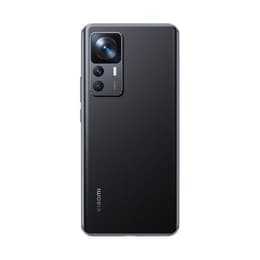
Xiaomi 12T
Starting at

Refurbished price:€188.00

Versus €649.00 new

See options
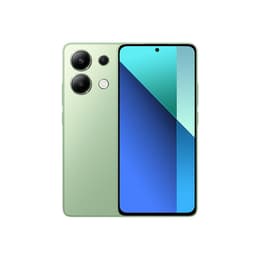
Xiaomi Redmi Note 13 4G
Starting at

Refurbished price:€174.00

Versus €340.00 new

See options

Differences at a glance

The Xiaomi 12T (2022) and the Xiaomi Redmi Note 13 4G (2024) are modern Android smartphones designed to deliver reliable daily performance and clear visuals. While the Xiaomi 12T targets users looking for flagship-tier processing speeds and rapid charging capabilities, the Xiaomi Redmi Note 13 4G serves as an accessible everyday device focusing on core connectivity and battery endurance. Both models run on customized Android interfaces and feature modern display technology, though they diverge significantly in internal processing power and hardware architecture.

Available Models

Colour

Storage

Scores

Durability

When evaluating the long-term viability of both smartphones, users must consider software update timelines, hardware resilience, and anticipated support cycles.

  • Software Support: The Xiaomi Redmi Note 13 4G launched more recently in 2024, giving it a slightly extended software update window compared to the 2022 release date of the Xiaomi 12T.
  • Repairability and Build: Both devices feature standard construction materials with readily available components for professional repairs, making a quality-assured refurbished option a sustainable choice for environmentally conscious buyers.
  • Hardware Longevity: The Xiaomi 12T includes a higher tier of internal components that helps maintain smooth system responsiveness over several years of demanding application updates.

Year of Release

2022

2024

Compatible with latest Update

Yes

Yes

OS

Android

Android

Foldable

No

No

Performance

System performance and responsiveness differ noticeably between the two devices due to their distinct internal hardware configurations.

  • Processing Power: The Xiaomi 12T handles heavy multitasking, intensive mobile games, and demanding applications smoothly, whereas the Xiaomi Redmi Note 13 4G is better suited for standard daily tasks like web browsing, messaging, and media streaming.
  • Battery Behavior: Both smartphones comfortably complete a standard day of moderate use, but the Xiaomi 12T supports significantly faster charging speeds to minimize time plugged into a wall outlet.
  • Storage and Memory: The Xiaomi 12T offers higher base storage and memory configurations, allowing for smoother switching between multiple open applications simultaneously.

Screen quality

Display characteristics on both phones offer bright and vivid viewing experiences, though they vary slightly in refresh rate handling and panel technology.

  • Display Technology: Both models utilize vibrant AMOLED displays that deliver deep black levels and high contrast for watching videos and viewing photos.
  • Refresh Rate: The Xiaomi 12T and the Xiaomi Redmi Note 13 4G both feature high refresh rate panels, ensuring smooth scrolling through menus and social media feeds.
  • Outdoor Visibility: High peak brightness levels on both screens allow for clear legibility when viewing content under direct sunlight or in bright outdoor environments.

Resolution

1220 x 2712

1080 x 2400

Screen type

AMOLED

AMOLED

Audiovisual

Media creation and consumption capabilities differ across both models, particularly regarding high-resolution photography and built-in speaker output.

  • Camera Systems: The Xiaomi 12T features a high-resolution main sensor equipped with optical image stabilization for sharper low-light photos, while the Redmi Note 13 4G provides a reliable triple-lens setup adequate for casual daytime snapshots.
  • Video Recording: The Xiaomi 12T supports higher resolution video capture formats and enhanced stabilization features compared to the standard 1080p recording limitations on the Redmi Note 13 4G.
  • Audio Output: Both devices include stereo speakers that deliver balanced sound for hands-free calls, casual video watching, and listening to podcasts without external headphones.

Main camera

108 megapixels

108 megapixels

Front camera

20 megapixels

16 megapixels

Miscellaneous

Physical design attributes and connectivity options dictate how each smartphone feels and fits into everyday routines.

  • Connectivity: The Xiaomi 12T includes modern 5G connectivity for faster mobile data speeds, whereas the Xiaomi Redmi Note 13 4G is limited to 4G networks alongside standard Wi-Fi and Bluetooth protocols.
  • Physical Dimensions: Both devices offer comfortable ergonomics with glass-like rear finishes, though weight distribution and overall thickness vary slightly between the two chassis designs.
  • Security Sensors: Each model integrates responsive biometric security, utilizing under-display fingerprint sensors and secure facial recognition for quick device unlocking.

Weight

220 g

189 g

Screen size (in)

6.67

6.67

Network

5G

4G

SIM card

Dual Physical SIM

Dual Physical SIM

Carrier compatibility

Unlocked

Unlocked

Connector

USB-C

USB-C

What the community thinks

User feedback from online communities highlights distinct advantages for each device depending on daily usage requirements. Owners of the Xiaomi 12T frequently praise its rapid charging speeds, smooth handling of demanding applications, and dependable high-resolution camera performance. Conversely, users of the Xiaomi Redmi Note 13 4G often note satisfaction with its reliable daily battery duration, lightweight feel, and clear display for standard communication tasks. Common criticisms for the Xiaomi 12T center around its higher tier classification which may exceed the needs of casual users, while Redmi Note 13 4G users occasionally mention limitations during heavy multitasking or intensive gaming sessions.

Users prioritizing fast processing speeds, advanced photography features, and rapid battery replenishment will find the Xiaomi 12T well-suited to their needs. Meanwhile, users prioritizing essential daily connectivity, media streaming, and straightforward functionality may lean toward the Xiaomi Redmi Note 13 4G. Selecting between these two devices depends entirely on individual performance expectations and daily operational demands.