
iPhone

Compare models
Differences at a glance
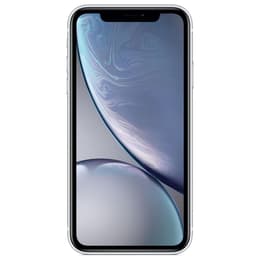
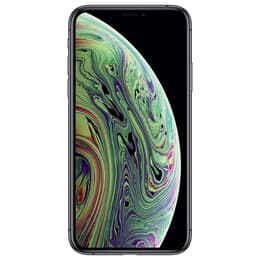
The iPhone XR and iPhone XS, both released in 2018, represent distinct offerings within Apple's smartphone lineup. While they share the same core processing power, they cater to different user preferences primarily through their display technology and camera configurations. The iPhone XR, launched in October 2018, features a larger Liquid Retina LCD display, while the iPhone XS, released in September 2018, offers a more compact design with a Super Retina OLED screen and a dual-camera system. [1, 2, 3, 6, 8, 9, 12, 17, 22, 24]
Colour
Storage
Both the iPhone XR and iPhone XS, having been released in 2018, benefit from a similar software support timeline, running current iOS versions. [6, 8, 9, 17] This means users can expect comparable longevity in terms of receiving software updates and security patches.
Year of Release
Compatible with latest Update
OS
Foldable
Both the iPhone XR and iPhone XS are equipped with the same advanced processor, ensuring a consistent level of performance for daily tasks and demanding applications. [1, 3, 6, 8, 10, 12, 15, 17, 22, 24]
The most significant distinction between these two devices lies in their display technology, which impacts visual fidelity and overall viewing experience.
Resolution
Screen type
The camera systems on the iPhone XR and iPhone XS offer different capabilities, particularly in their hardware configurations for rear photography.
Main camera
Front camera
Beyond core performance and display, several practical elements differentiate the user experience between the iPhone XR and iPhone XS.
Weight
Screen size (in)
Network
SIM card
Carrier compatibility
Connector
User feedback often highlights the iPhone XR's impressive battery life as a significant advantage, with many appreciating its ability to last longer on a single charge compared to the iPhone XS. [13, 16, 21, 23, 26] Its larger screen size is also frequently praised by those who prefer more viewing real estate. [2, 7, 13, 15, 28] However, some users express reservations about the XR's LCD display, noting that its resolution and color vibrancy do not match the premium experience of OLED screens. [2, 7, 9, 13, 15, 28, 39] The single rear camera, while capable, is sometimes seen as a limitation for advanced photography. [1, 13, 28]
Conversely, the iPhone XS receives consistent acclaim for its vibrant OLED display, which offers deeper blacks and richer colors, enhancing the visual experience for media and everyday use. [2, 7, 13, 15, 25] Its dual-camera system, with optical zoom and improved depth effects, is a strong point for photography enthusiasts. [5, 10, 13, 27, 28, 35] The more compact and lighter design of the XS is also a preference for users seeking a device that is easier to manage. [2, 7, 13] A common criticism of the iPhone XS, when compared to the XR, is its shorter battery life. [13, 16, 26]
Users prioritizing extended battery life and a larger screen for general use may find the iPhone XR well-suited to their needs. Those who value a superior display for media consumption, advanced photographic capabilities including optical zoom, and a more compact form factor might lean towards the iPhone XS. Both models remain viable options, especially as quality-assured refurbished alternatives, offering an eco-friendly choice for consumers. Ultimately, the decision hinges on individual priorities regarding display quality, camera features, and battery endurance.