

Compare models
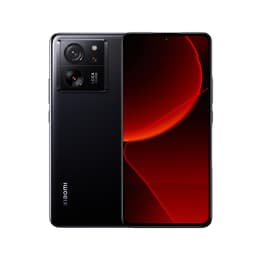
iPhone Air Vs Xiaomi 13T Pro
- 1-year minimum warranty
- Free delivery on all orders
- Free 30-day returns
Differences at a glance
The iPhone Air (2025) and the Xiaomi 13T Pro (2023) represent two distinct approaches to modern smartphone engineering, balancing ultra-slim portability with performance-driven versatility. While the iPhone Air prioritizes a remarkably lightweight form factor running iOS, the Xiaomi 13T Pro focuses on high-speed media processing and comprehensive multi-lens photography powered by Android. Both options cater to users seeking refined day-to-day functionality, though their underlying philosophies differ significantly.
Available Models
Colour
Storage
Scores
Durability
When examining longevity and durability, both devices offer robust structural integrity and prolonged software backing, though they follow different release cycles.
- Software Support: The iPhone Air benefits from Apple's extended update schedule, receiving major operating system updates for many years, whereas the Xiaomi 13T Pro provides several generations of Android upgrades.
- Repairability and Build: Both smartphones utilize durable materials like titanium or reinforced glass combined with water resistance ratings, ensuring reliable day-to-day resilience.
- Expected Lifespan: Hardware capability and consistent security updates allow both models to remain functional and responsive over years of standard usage.
Year of Release
2025
2023
Performance
Underneath the exterior, both devices manage multitasking, demanding applications, and daily workflows through capable hardware architectures.
- System Responsiveness: Both smartphones handle swift app launching, fluid screen transitions, and heavy multi-app usage without noticeable stutter.
- Battery Behavior: The Xiaomi 13T Pro features a larger capacity cell paired with exceptionally rapid wired replenishment, whereas the iPhone Air relies on energy-efficient processing to sustain daily operation within a slim profile.
- Memory and Storage: Generous RAM configurations on both models ensure seamless background task management and ample space for media storage.
Screen quality
Visual output is a central focus for both devices, delivering bright, sharp viewing experiences suited for various multimedia consumption tasks.
- Display Technology: Both models utilize advanced OLED panels that produce deep contrast levels, rich colors, and high resolutions for crisp text and images.
- Outdoor Visibility: High peak brightness capabilities ensure that screens remain legible even under direct sunlight or bright outdoor environments.
- Refresh Rates: High refresh rate support ensures fluid scrolling through web pages and smooth animation rendering during daily navigation.
Audiovisual
Imaging capabilities differ notably in hardware arrangement, giving users distinct tools for capturing photos and recording video.
- Lens Configuration: The Xiaomi 13T Pro features a versatile multi-lens rear setup including dedicated telephoto zoom options, while the iPhone Air emphasizes a streamlined single-lens approach focused on high-resolution capture.
- Video and Audio: Both units provide stable video recording options and clear microphone performance suitable for calls, virtual meetings, and casual clip creation.
- Media Consumption: Integrated speaker setups on both devices deliver balanced stereo or mono sound output for casual video watching and audio playback.
Miscellaneous
Practical daily features such as connectivity standards, physical dimensions, and security sensors shape the overall handling experience.
- Connectivity and Ports: Both models support fast 5G cellular networks, modern Wi-Fi standards, and USB-C connectivity for data transfer.
- Security and Biometrics: Fast authentication methods, including facial recognition or biometric scanners, ensure secure and convenient device unlocking.
- Physical Handling: The iPhone Air stands out for its exceptionally thin profile and light weight, while the Xiaomi 13T Pro offers a traditional heavier slate build with curved ergonomics.
Screen size (in)
6.5
6.67
Network
5G
5G
SIM card
eSIM
Dual Physical SIM
Carrier compatibility
Unlocked
Unlocked
Connector
USB-C
USB-C
What the community thinks
User feedback from online communities highlights distinct preferences for each device based on individual daily habits. Users frequently praise the iPhone Air for its featherlight design, sleek profile, and seamless operating system integration, though some note that its slim battery requires mindful management during heavy usage days. On the other hand, owners of the Xiaomi 13T Pro often commend its rapid charging speeds, comprehensive multi-lens camera system, and fluid display performance, while occasional discussions point to its bulkier footprint compared to ultra-slim alternatives.
Users who prioritize an exceptionally lightweight feel, streamlined single-lens photography, and long-term software continuity may find the iPhone Air well-suited to their needs. Conversely, users who value rapid power replenishment, versatile zoom photography, and flexible file management will likely lean toward the Xiaomi 13T Pro. Exploring a quality-assured refurbished option provides a sustainable choice for acquiring either device while supporting eco-friendly technology consumption.