

Compare models

iPhone Air Vs Xiaomi 12T

  • 1-year minimum warranty
  • Free delivery on all orders
  • Free 30-day returns
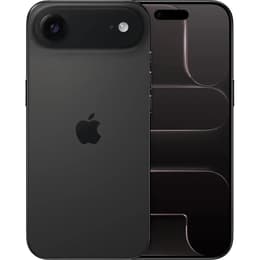
iPhone Air
Starting at

Refurbished price:739.00

Versus €1,339.00 new

See options
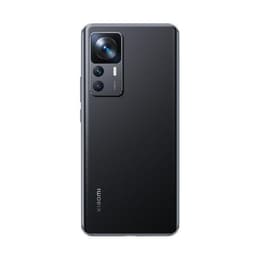
Xiaomi 12T
Starting at

Refurbished price:211.00

Versus €649.00 new

See options

Differences at a glance

The Apple iPhone Air (2025) and the Xiaomi 12T (2022) are distinct smartphones that approach mobile technology from contrasting angles, balancing ultra-slim portability with traditional performance values. While the iPhone Air prioritizes an exceptionally lightweight and slender titanium build running on iOS, the Xiaomi 12T focuses on a media-centric Android experience powered by rapid charging capabilities. These two devices represent very different design philosophies within the smartphone market.

Available Models

Colour

Storage (GB)

Scores

Durability

When examining longevity and durability, the iPhone Air benefits from a more recent release year and extensive software backing, whereas the Xiaomi 12T relies on an established update track record.

  • Release timeline and software support: The iPhone Air launched later, positioning it for a longer remaining window of active operating system upgrades and security patches compared to its counterpart.
  • Build resilience: The iPhone Air utilizes a titanium frame paired with reinforced glass protection, while the Xiaomi 12T features a glass back construction with standard water and dust resistance ratings.
  • Repairability and lifespan: Both manufacturers design their hardware for structural endurance, though availability of parts through quality-assured refurbished options helps extend the active service life of each device sustainably.

Year of Release

2025

2022

Compatible with latest Update

Yes

Yes

OS

iOS

Android

Foldable

No

No

Performance

Daily operation and hardware execution differ noticeably between the two models, impacting how they manage multitasking, intensive applications, and power delivery.

  • System responsiveness: Both devices handle everyday tasks, web browsing, and demanding applications smoothly, offering sufficient processing headroom for fluid navigation and responsive switching between open programs.
  • Battery behavior: The Xiaomi 12T incorporates a larger capacity power cell designed to last through extensive daily use, whereas the iPhone Air achieves efficient energy consumption through optimized internal engineering despite its slim profile.
  • Memory and storage: Ample baseline storage and generous RAM allocations ensure that both smartphones maintain stable background multitasking without unexpected reloads or slowdowns.

Screen quality

Visual output and display characteristics provide distinct viewing experiences suited for various media consumption and outdoor readability needs.

  • Display technology: Both models feature vibrant OLED panels that deliver deep contrast levels, rich color reproduction, and sharp text rendering for daily reading and video watching.
  • Refresh rate and smoothness: High refresh rate support ensures that scrolling through web pages and user interfaces remains fluid on both devices.
  • Brightness and outdoor clarity: High peak brightness capabilities on both screens allow for comfortable readability when viewing content under direct sunlight or bright ambient lighting.

Resolution

2736x1260

1220 x 2712

Screen type

Super Retina XDR

AMOLED

Audiovisual

Imaging hardware and multimedia output reflect different choices in lens configurations, audio delivery, and overall recording versatility.

  • Camera systems: The iPhone Air utilizes a single high-resolution main lens supported by advanced computational photography, while the Xiaomi 12T offers a multi-lens array featuring a high-pixel primary sensor for versatile shooting options.
  • Low-light and video performance: Both smartphones capture detailed everyday photos and stable video clips, with dedicated processing features that manage challenging lighting environments effectively.
  • Audio and media output: Speaker configurations on both models deliver clear sound for hands-free calls and casual media streaming, though acoustic depth varies due to internal physical space differences.

Main camera

48 megapixels

108 megapixels

Front camera

18 megapixels

20 megapixels

Miscellaneous

Practical everyday features, connectivity standards, and physical handling characteristics define the ergonomic and functional profile of each smartphone.

  • Connectivity and ports: Both devices support modern 5G networks, advanced Wi-Fi standards, and Bluetooth pairing, utilizing reversible USB-C connection ports for data transfer and charging.
  • Authentication sensors: Secure unlocking is handled via facial recognition on the iPhone Air, whereas the Xiaomi 12T employs an optical fingerprint reader integrated directly beneath the display screen.
  • Physical dimensions: The iPhone Air emphasizes an exceptionally thin and light chassis for effortless pocketability, while the Xiaomi 12T presents a slightly heavier, traditional form factor that houses a larger internal battery.

Weight

165 g

220 g

Screen size (in)

6.5

6.67

Network

5G

5G

SIM card

eSIM

Dual Physical SIM

Carrier compatibility

Unlocked

Unlocked

Connector

USB-C

USB-C

What the community thinks

User feedback from online communities highlights distinct patterns of praise and criticism for each device. Owners of the iPhone Air frequently commend its remarkably slim profile, lightweight titanium handling, and seamless integration within the iOS ecosystem, though some note that the single rear camera setup offers less versatility than multi-lens alternatives. Conversely, users of the Xiaomi 12T often praise its rapid charging speeds, large display, and reliable everyday performance, while occasionally pointing out that its physical footprint feels heavier and bulkier in daily use.

Users prioritizing an exceptionally lightweight build, modern software longevity, and a streamlined single-lens camera will find the iPhone Air well-suited to their needs. Meanwhile, users prioritizing rapid power replenishment, a multi-lens photography setup, and a media-focused Android environment may lean toward the Xiaomi 12T. Choosing between them depends entirely on whether physical slenderness or hardware versatility aligns better with your daily routine, with sustainable choices like quality-assured refurbished options providing an eco-friendly alternative for acquiring either model.