

Galaxy A53 5G Vs Xiaomi 14

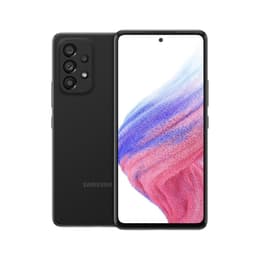
Galaxy A53 5G
Galaxy A53 5G
Starting at

Refurbished price:119.00

Versus €459.00 new

See options
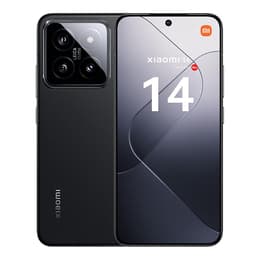
Xiaomi 14
Xiaomi 14
Starting at

Refurbished price:384.00

Versus €1,099.00 new

See options

Ratings

The Samsung Galaxy A53 5G (released March 2022) and the Xiaomi 14 (globally released February 2024) are both Android smartphones, but they target different segments of the market. The Galaxy A53 5G is positioned as a capable mid-range device, while the Xiaomi 14 is a compact flagship offering. The primary distinctions lie in their processing power and camera capabilities, reflecting their respective market positions and release timelines.

Scores

Durability

When considering the practical lifespan of these devices, several factors related to their release and software support come into play.

  • Release Timeline: The Samsung Galaxy A53 5G was released in March 2022, making it an older device compared to the Xiaomi 14, which saw its global release in February 2024.
  • OS Support Duration: Samsung promised four generations of Android OS updates and five years of security updates for the Galaxy A53 5G. The Xiaomi 14 also offers four OS updates and five years of security updates. This means the Xiaomi 14, being newer, will receive software support for a longer period into the future.
  • Durability Features: The Galaxy A53 5G features an IP67 rating for dust and water resistance, protecting it from immersion in up to 1 meter of water for 30 minutes. The Xiaomi 14 boasts an IP68 rating, offering protection in up to 1.5 meters of water for 30 minutes. Both devices feature Gorilla Glass for screen protection, with the A53 5G using Gorilla Glass 5 and the Xiaomi 14 using Gorilla Glass Victus.

Year of Release

2022

2023

Compatible with latest Update

Yes

Yes

OS

Android

Android

Foldable

No

No

Performance

The performance of a smartphone significantly impacts daily usage, from app responsiveness to handling demanding tasks.

  • Processing Power: The Xiaomi 14, equipped with a newer generation processor, delivers substantially faster CPU and GPU speeds, resulting in a highly responsive user experience. The Galaxy A53 5G's processor handles everyday applications and multitasking smoothly, but users might notice occasional stutters with more intensive tasks or gaming.
  • Multitasking and Storage: The Xiaomi 14 offers a wider range of RAM options, including higher capacities, which contributes to smoother multitasking and app retention in memory. It also features faster UFS 4.0 storage, leading to quicker app loading and file transfers. The Galaxy A53 5G comes with ample RAM and UFS 2.2 storage, suitable for typical daily use.
  • Battery Behavior: The Galaxy A53 5G has a larger 5000 mAh battery, often providing solid battery life that can last through a full day of varied use. The Xiaomi 14, with a 4610 mAh battery, is also reported by users to offer a full day of battery life, despite its smaller capacity, likely due to its more efficient processor and display technology.

Memory (GB)

4 GB

16 GB

Screen quality

The display is a key component of the smartphone experience, influencing everything from media consumption to outdoor visibility.

  • Display Technology and Resolution: Both devices feature AMOLED displays, known for deep blacks and vibrant colors. The Galaxy A53 5G has a 6.5-inch Super AMOLED display with a 1080 x 2400 pixel resolution. The Xiaomi 14 features a slightly smaller 6.36-inch LTPO OLED display with a higher 1200 x 2670 pixel resolution, offering greater clarity.
  • Brightness and Refresh Rate: The Xiaomi 14's display can reach a peak brightness of 3000 nits, making it exceptionally visible even in bright outdoor conditions. The Galaxy A53 5G offers a peak brightness of 800 nits, which is generally sufficient for most outdoor scenarios. Both phones feature a 120Hz refresh rate for smooth scrolling and animations, with the Xiaomi 14's LTPO technology allowing for adaptive refresh rates to conserve power.
  • Viewing Experience: The Xiaomi 14's higher resolution and superior peak brightness provide a more immersive and comfortable viewing experience, especially for HDR content and in varied lighting. The Galaxy A53 5G's display is still considered good for its class, offering vibrant visuals for everyday media consumption.

Resolution

1080 x 2400

1200 x 2670

Screen type

Super AMOLED

LTPO OLED

Audiovisual

Camera capabilities are a significant consideration for many users, impacting the quality of photos and videos captured.

  • Rear Camera System: The Galaxy A53 5G features a quad-camera setup with a 64MP main sensor with optical image stabilization (OIS), a 12MP ultrawide, a 5MP macro, and a 5MP depth sensor. It can record video at 4K resolution at 30 frames per second. The Xiaomi 14 boasts a triple 50MP camera system with Leica optics, including a main sensor with OIS, an ultrawide, and a telephoto lens with OIS and 3.2x optical zoom. It supports video recording up to 8K at 24fps and 4K at 60fps.
  • Photography Performance: The Xiaomi 14's camera system, with its larger sensors and Leica tuning, generally delivers more detailed images, better low-light performance, and more versatile zoom capabilities. Users often praise its ability to produce DSLR-like characteristics. The Galaxy A53 5G performs well in good lighting conditions, offering decent quality photos, but its low-light performance and shutter lag have been noted as areas for improvement by some users.
  • Front Camera and Audio: Both devices feature a 32MP front-facing camera. Both also include stereo speakers, providing a more immersive audio experience for media consumption.

Main camera

64 megapixels

50 megapixels

Front camera

32 megapixels

32 megapixels

Miscellaneous

Beyond core specifications, several practical elements contribute to the overall user experience and device utility.

  • Connectivity and Ports: Both smartphones support 5G connectivity. The Xiaomi 14 features newer Wi-Fi 7 and Bluetooth 5.4 standards, offering potentially faster and more stable wireless connections compared to the Galaxy A53 5G's Wi-Fi 5 (ac) and Bluetooth 5.1. The Xiaomi 14 also uses a more advanced USB-C 3.2 Gen 1 port, while the Galaxy A53 5G uses USB-C 2.0.
  • Biometric Security: Both devices incorporate under-display optical fingerprint sensors for secure unlocking. The Galaxy A53 5G's facial recognition has been noted by some users as less reliable in certain conditions.
  • Design and Handling: The Galaxy A53 5G has dimensions of 159.6 x 74.8 x 8.1 mm and weighs 189g, featuring a plastic back and frame. The Xiaomi 14 is more compact at 152.8 x 71.5 x 8.2 mm and weighs 193g (glass back version), with an aluminum frame and options for a glass or vegan leather back, contributing to a more premium feel.

Weight

189 g

188 g

Screen size (in)

6.5

6.36

Network

5G

5G

SIM card

Physical SIM

Dual Physical SIM

Carrier compatibility

Unlocked

Unlocked

The Samsung Galaxy A53 5G and the Xiaomi 14 cater to different user expectations, with their respective strengths aligning with distinct priorities. Users often praise the Galaxy A53 5G for its reliable battery life, vibrant AMOLED display, and Samsung's commitment to long-term software updates. However, some common criticisms include its processor performance, which can lead to occasional lag, and camera shutter lag.

The Xiaomi 14, on the other hand, receives high marks for its powerful performance, exceptionally bright and clear display, and versatile, high-quality camera system with Leica optics. Its compact size for a flagship is also a frequently mentioned positive. Some users have noted that HyperOS, while generally smooth, can have occasional glitches, and some initial concerns about pre-installed ads were raised, though these are often easily disabled.

Users prioritizing extended software support and a large battery in a well-rounded, mid-range package may find the Galaxy A53 5G a suitable option. Conversely, those who value top-tier performance, a superior camera experience, and a more compact, premium design will likely lean towards the Xiaomi 14. Both devices represent solid choices within their categories, and considering a quality-assured refurbished option for either model can be an eco-friendly alternative for making an informed purchasing decision.


See all articles

Our recent comparisons






