
iPhone

Compare models
Differences at a glance
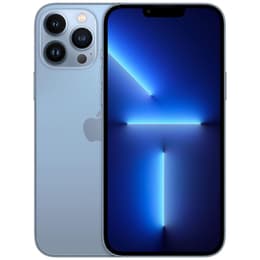
The Google Pixel 7a (2023) and the iPhone 13 Pro Max (2021) represent distinct approaches to smartphone design and functionality. While the Pixel 7a offers a compact Android experience with Google's latest computational photography and AI features, the iPhone 13 Pro Max provides a larger iOS platform known for its robust performance and extensive camera system. These devices cater to different user preferences, primarily differing in their operating systems, screen sizes, and overall ecosystem integration.
Colour
Storage
The practical lifespan of a smartphone is influenced by its release timeline, software support, and repairability.
Year of Release
Compatible with latest Update
OS
Foldable
Performance in daily use, from app handling to multitasking, is a key differentiator between these two devices.
The visual experience is significantly shaped by the display technology, size, and refresh rate of each device.
Resolution
Screen type
Both smartphones offer advanced camera systems, but with different strengths in photography and videography.
Main camera
Front camera
Beyond core features, several practical elements contribute to the overall user experience and device utility.
Weight
Screen size (in)
Network
SIM card
Carrier compatibility
User feedback for the iPhone 13 Pro Max often highlights its exceptional battery life, large and vibrant display with ProMotion, and powerful camera system as major strengths. Some users find its size and weight to be a drawback, making it less comfortable for one-handed use. The Pixel 7a is praised for its strong camera performance, clean Android experience, and compact form factor. However, some users have noted concerns regarding battery life under heavy load and occasional heating issues.
Users prioritizing a large, high-refresh-rate display, extended battery life, and a comprehensive camera system with telephoto capabilities may find the iPhone 13 Pro Max well-suited to their needs. Its robust build and long-term iOS support also appeal to those seeking a durable and consistently updated device. Conversely, users who prefer a more compact device, a pure Android experience with Google's AI features, and a strong computational photography focus might lean toward the Pixel 7a. Its more recent release also means a slightly longer period of guaranteed software updates from its launch date.
Both devices offer compelling features for different user profiles, and considering a quality-assured refurbished option for either model can be a sustainable choice for consumers.