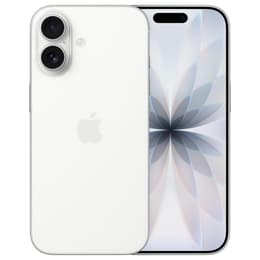
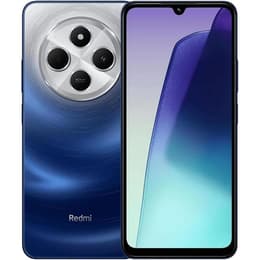


iPhone 17 Vs Xiaomi Redmi 14C

iPhone 17
iPhone 17
Starting at

Refurbished price:685.00

Versus €979.00 new

See options
Xiaomi Redmi 14C
Xiaomi Redmi 14C
Starting at

Refurbished price:128.20

Versus €189.00 new

See options

Ratings

The iPhone 17, released in September 2025, and the Xiaomi Redmi 14C, launched in August 2024, represent distinct approaches to smartphone design and functionality. While the iPhone 17 operates on Apple's iOS ecosystem, the Redmi 14C runs on Android 14 with Xiaomi's HyperOS. These devices cater to different user priorities, with the iPhone 17 focusing on advanced performance and display technology, and the Redmi 14C emphasizing a large display and substantial battery capacity.

Scores

Durability

When considering the practical lifespan of these devices, several factors come into play, including their release timelines, software support, and physical durability.

  • Release Timeline: The iPhone 17 was released in September 2025, making it a more recent device compared to the Xiaomi Redmi 14C, which launched in August 2024. This difference in release dates directly impacts the expected duration of software support.
  • Software Longevity: Apple typically provides iOS updates for its devices for approximately 5-6 years from their release. Given its September 2025 launch, the iPhone 17 is expected to receive software updates well into the late 2020s. The Redmi 14C, running Android 14 and HyperOS, will receive updates based on Xiaomi's policy, which generally offers a shorter support window than Apple's.
  • Durability Features: The iPhone 17 features Ceramic Shield protection, contributing to improved scratch resistance and overall durability. The Redmi 14C, while featuring a glass front and plastic frame, may offer an IP52 rating for dust and splash resistance in some variants, providing a degree of protection against environmental elements.

Year of Release

2025

2024

Compatible with latest Update

Yes

Yes

OS

iOS

Android

Foldable

No

No

Performance

The performance capabilities of the iPhone 17 and the Xiaomi Redmi 14C differ significantly, influencing how smoothly they handle various tasks and applications.

  • Processing Power: The iPhone 17 is equipped with Apple's A19 chip, which delivers substantial processing power for demanding applications, complex multitasking, and advanced gaming. The Redmi 14C utilizes a MediaTek Helio G81 Ultra processor, designed for efficient everyday use and moderate multitasking.
  • System Responsiveness: Users of the iPhone 17 can expect a highly responsive experience, with quick app launches and seamless transitions, even with multiple applications running simultaneously. The Redmi 14C provides a smooth experience for common tasks like browsing social media and messaging, though some minor stutters might occur during heavy multitasking or when running several apps in the background.
  • Storage and RAM: The iPhone 17 starts with a base storage of 256GB, offering ample space for apps, photos, and videos, and does not offer a 128GB option. The Redmi 14C comes with various configurations, including 4GB, 6GB, or 8GB of RAM and internal storage options of 128GB or 256GB, with some variants also offering 64GB.

Memory (GB)

8 GB

4 GB

Screen quality

The visual experience on the iPhone 17 and the Xiaomi Redmi 14C is shaped by their distinct display technologies and specifications.

  • Display Technology and Resolution: The iPhone 17 features a 6.3-inch Super Retina XDR OLED display, offering deep blacks, vibrant colors, and a high resolution of 2622 x 1206 pixels with 460 pixels per inch. In contrast, the Redmi 14C has a larger 6.88-inch IPS LCD panel with a 720 x 1640 pixel (HD+) resolution and a pixel density of approximately 260 PPI.
  • Refresh Rate and Brightness: The iPhone 17 incorporates ProMotion technology, providing a 120Hz adaptive refresh rate for smoother scrolling and more fluid animations, along with an Always-On display feature. The Redmi 14C also offers a 120Hz refresh rate, contributing to a smoother visual experience, and has a peak brightness of 600 nits.
  • Viewing Experience: The iPhone 17's OLED display and higher pixel density result in sharper images and more detailed content, suitable for users who prioritize visual fidelity. The Redmi 14C's larger screen size can be beneficial for media consumption and general browsing, though its HD+ resolution means content will appear less sharp compared to the iPhone 17.

Resolution

2622x1206

720 x 1640

Screen type

Super Retina XDR

IPS LCD

Audiovisual

The camera systems on the iPhone 17 and the Xiaomi Redmi 14C offer different capabilities for capturing photos and videos.

  • Rear Camera System: The iPhone 17 features an updated rear camera system, with all rear cameras now at 48MP, though they default to 24MP for everyday shots. This setup is designed for enhanced detail and improved low-light performance. The Redmi 14C includes a dual-camera setup with a 50MP primary sensor and an auxiliary lens, suitable for capturing appealing pictures in daylight conditions.
  • Front Camera and Video: For selfies and video calls, the iPhone 17 is equipped with a 24MP TrueDepth front-facing camera, a significant upgrade for higher-resolution self-portraits. The Redmi 14C features a 13MP front camera. Both devices offer video recording capabilities, with the iPhone 17 expected to provide advanced video features and quality.
  • Photography Features: The iPhone 17's computational photography capabilities, powered by its advanced chip, contribute to features like improved dynamic range and detail in various lighting conditions. The Redmi 14C's camera performs reliably in daylight, capturing images with decent contrast and sharpness.

Main camera

48 megapixels

50 megapixels

Front camera

18 megapixels

13 megapixels

Miscellaneous

Beyond core specifications, several practical elements differentiate the iPhone 17 and the Xiaomi Redmi 14C, impacting daily usability and convenience.

  • Connectivity and Ports: The iPhone 17 supports Wi-Fi 7 and Bluetooth 6.0, offering advanced wireless connectivity. It uses a Lightning port for charging and data transfer. The Redmi 14C supports 4G (with a 5G variant available), dual-band Wi-Fi, and Bluetooth v5.4. It features a USB Type-C port and retains a 3.5mm headphone jack, offering broader compatibility with accessories.
  • Biometric Security: The iPhone 17 relies on Face ID for secure facial recognition. The Redmi 14C offers both a side-mounted fingerprint sensor and face unlock for convenient and secure access.
  • Design and Handling: The iPhone 17 has dimensions of 149.6mm x 71.5mm x 7.95mm and weighs 177g, featuring an aluminum frame and frosted glass back. The Redmi 14C is larger and slightly heavier, measuring around 171.9 x 77.8 x 8.2 mm and weighing between 204-211 grams, with a glass front and plastic frame, or an eco-leather back option.

Weight

177 g

207 g

Screen size (in)

6.3

6.88

Network

5G

4G

SIM card

eSIM

Dual Physical SIM

Carrier compatibility

Unlocked

Unlocked

Connector

USB-C

USB-C

User feedback for the iPhone 17 often praises its powerful performance, the fluidity of its 120Hz ProMotion display, and the significant improvements in its camera system, particularly the upgraded front camera. Users appreciate the extended software support and the robust build quality with Ceramic Shield. Some common discussions revolve around its ecosystem integration and the premium experience it offers.

For the Xiaomi Redmi 14C, users frequently highlight its large display, long-lasting 5160 mAh battery, and the inclusion of a 3.5mm headphone jack as strong advantages. Its performance for everyday tasks is generally well-regarded, especially considering its segment. Criticisms sometimes point to the HD+ resolution of the display, which, while large, may not offer the same sharpness as higher-resolution panels.

Users prioritizing a highly integrated ecosystem, cutting-edge performance, and a top-tier display with extended software longevity may find the iPhone 17 well-suited to their needs. Its advanced camera capabilities and robust security features also appeal to those seeking a premium smartphone experience. Conversely, users who value a larger screen for media consumption, a substantial battery for extended use, and the flexibility of the Android operating system, potentially with a headphone jack, might lean towards the Xiaomi Redmi 14C. This device is also a practical choice for those who prefer a quality-assured refurbished option, offering a sustainable choice for their mobile needs.


See all articles

Our recent comparisons