

Compare models

Galaxy S25 FE Vs Xiaomi 13T

  • 1-year minimum warranty
  • Free delivery on all orders
  • Free 30-day returns
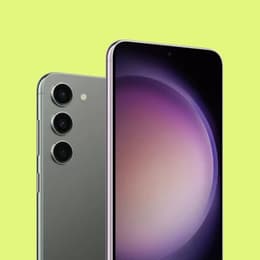
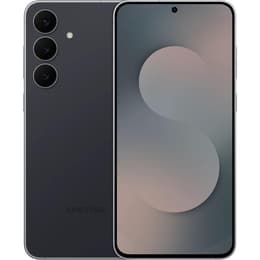
Galaxy S25 FE
Starting at

Refurbished price:€390.00

Versus €750.00 new

See options
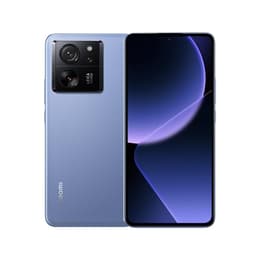
Xiaomi 13T
Starting at

Refurbished price:€258.00

Versus €699.99 new

See options

Differences at a glance

The Samsung Galaxy S25 FE (2025) and the Xiaomi 13T (2023) are capable Android smartphones designed to deliver balanced everyday experiences. While both models cater to users seeking dependable performance and versatile camera systems, they differ significantly in their release timelines, software update commitments, and manufacturer interfaces.

Available Models

Colour

Storage

Scores

Durability

When evaluating long-term usability and update support, both devices handle software longevity differently due to their respective release years.

  • Release timeline and age: The Galaxy S25 FE launched in late 2025, whereas the Xiaomi 13T debuted in late 2023, giving the Samsung model a newer baseline for hardware aging.
  • Software support duration: Samsung provides an extended multi-year update schedule for its current-generation devices, while Xiaomi offers a shorter windows of major operating system upgrades.
  • Practical lifespan: Users selecting the Galaxy S25 FE benefit from prolonged security patches and system updates, making it a sustainable choice for long-term ownership.

Year of Release

2025

2023

Compatible with latest Update

Yes

Yes

OS

Android

Android

Foldable

No

No

Performance

Underneath the exterior, both smartphones handle daily tasks, multitasking, and demanding applications through distinct hardware configurations.

  • Storage options: Both handsets provide generous internal capacity variants starting at baseline configurations, accommodating extensive photo libraries and large application files.
  • System responsiveness: Everyday app loading, seamless switching between open programs, and smooth gaming are handled efficiently by both current-generation processors and ample random access memory.
  • Battery behavior: Each device integrates a high-capacity power cell designed to last through a full day of standard use, though charging speeds vary with the Xiaomi supporting rapid wired replenishment.

Screen quality

Viewing media and navigating interfaces involves distinct display panels tailored for visual clarity and outdoor readability.

  • Display technology: Both models utilize vibrant OLED panels that deliver deep contrast levels and saturated colors for immersive video playback.
  • Refresh rate and smoothness: Fluid scrolling and responsive touch interactions are supported by high refresh rates, ensuring smooth motion across menus and compatible applications.
  • Brightness levels: Peak brightness capabilities on both screens allow for clear legibility under direct sunlight, assisting outdoor navigation and readability.

Audiovisual

Photography and media recording capabilities rely on multi-lens rear arrays designed to handle various lighting conditions.

  • Camera system capabilities: Both phones feature versatile triple-lens configurations including main, ultra-wide, and telephoto or depth-assisting lenses for varied framing options.
  • Low-light performance: Advanced image processing helps capture clear details and controlled noise levels during evening or indoor shooting conditions.
  • Video and audio output: High-definition recording features combine with clear microphone pickup and balanced stereo speakers to enhance overall media consumption.

Miscellaneous

Physical handling, connectivity, and build materials shape the day-to-day ergonomic experience of each smartphone.

  • Build and durability: Both models feature dust and water resistance ratings alongside protective glass fronts to guard against everyday wear and tear.
  • Handling and dimensions: Ergonomic curvature and balanced weight distribution ensure comfortable one-handed use and pocketability during travel.
  • Connectivity: Comprehensive modern wireless standards, including fast mobile data compatibility and reliable short-range pairing, come standard on both options.

Weight

190 g

200 g

Screen size (in)

6.7

6.67

Network

5G

5G

SIM card

Physical SIM + eSIM

Dual Physical SIM

Carrier compatibility

Unlocked

Unlocked

Connector

USB-C

USB-C

What the community thinks

Real-world user feedback highlights strong satisfaction with the display clarity and day-to-day fluidity of both the Galaxy S25 FE and the Xiaomi 13T. Common praise focuses on their reliable battery longevity and responsive multitasking, while occasional discussions note that heavier gaming sessions can cause noticeable warmth on both models.

Users prioritizing extended software update commitments and a newer hardware release year may prefer the Galaxy S25 FE. Conversely, users seeking alternative fast-charging capabilities and balanced multimedia features often lean toward the Xiaomi 13T. Exploring a quality-assured refurbished option provides an eco-friendly alternative for acquiring either device without compromising on functional performance.