

iPhone 17 Vs Xiaomi 13T

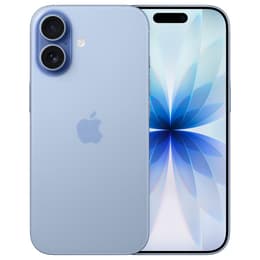
iPhone 17
iPhone 17
Starting at

Refurbished price:700.00

Versus €979.00 new

See options
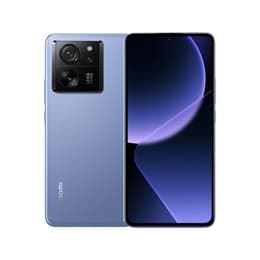
Xiaomi 13T
Xiaomi 13T
Starting at

Refurbished price:183.00

Versus €630.00 new

See options

Ratings

The iPhone 17, anticipated for release in 2026, represents Apple's latest iteration in its smartphone lineup, building upon previous generations with expected advancements in core technology and user experience. In contrast, the Xiaomi 13T, launched in September 2023, offers a compelling Android experience with a focus on display quality and camera capabilities. While the iPhone 17 is expected to run on the latest iOS, the Xiaomi 13T operates on Android with Xiaomi's MIUI overlay, providing distinct software ecosystems.

Scores

Durability

When considering the long-term usability of a smartphone, software support and physical resilience are key factors.

  • Software Longevity: The iPhone 17 is expected to receive major iOS updates for approximately five to seven years from its release, with security patches potentially extending even longer. This consistent support ensures access to new features and ongoing security for an extended period. The Xiaomi 13T, launched with Android 13, is committed to receiving four generations of Android OS updates and five years of security patches, meaning it will be supported up to Android 17.
  • Physical Durability: The iPhone 17 is anticipated to feature Ceramic Shield 2 on its front display, which Apple claims offers enhanced scratch resistance compared to its predecessor. Both devices carry an IP68 rating for water and dust resistance, indicating protection against submersion. The iPhone 17 is rated for a maximum depth of 6 meters for up to 30 minutes, while the Xiaomi 13T is rated for up to 1.5 meters for 30 minutes.
  • Repairability: While specific repairability scores for the iPhone 17 are not yet available, Apple generally designs its devices with a balance of durability and repair access. The Xiaomi 13T features a glass front protected by Corning Gorilla Glass 5 and an aluminum frame, with some variants offering a vegan leather back, contributing to its overall build quality.

Year of Release

2025

2023

Compatible with latest Update

Yes

Yes

OS

iOS

Android

Foldable

No

No

Performance

The performance of a smartphone is largely determined by its internal processing power and how efficiently it manages tasks and power consumption.

  • Processing Power: The iPhone 17 is expected to be powered by Apple's A19 chip, built on advanced 3-nanometer technology. This processor is designed to deliver robust performance for demanding applications, multitasking, and on-device artificial intelligence tasks, ensuring smooth operation and responsiveness. The Xiaomi 13T utilizes the MediaTek Dimensity 8200-Ultra processor, also built on a 4nm process, which provides efficient performance for everyday use, gaming, and handling multiple applications simultaneously.
  • System Responsiveness: With its anticipated next-generation chip and optimized iOS, the iPhone 17 is expected to offer fluid navigation and quick app loading times. The Xiaomi 13T, with its Dimensity 8200-Ultra and up to 12GB of RAM, delivers a responsive user experience, capable of managing various tasks without noticeable delays.
  • Battery Behavior: The iPhone 17 is projected to offer improved battery life, with Apple focusing on efficiency gains from its new chip and modem, potentially allowing for extended video playback. The Xiaomi 13T is equipped with a 5000mAh battery, generally providing a full day of mixed usage, though heavy users might find themselves needing to charge by evening.

Memory (GB)

8 GB

8 GB

Screen quality

The display is a primary interface for smartphone interaction, and differences in technology and specifications can significantly impact the visual experience.

  • Display Technology and Clarity: The iPhone 17 is expected to feature a 6.3-inch Super Retina XDR OLED display, offering deep blacks, vibrant colors, and a resolution of 2622 by 1206 pixels at 460 pixels per inch. The Xiaomi 13T comes with a 6.67-inch AMOLED display, providing a resolution of 2712 by 1220 pixels at 446 pixels per inch, also delivering rich colors and strong contrast.
  • Brightness and Refresh Rate: The iPhone 17 is anticipated to include ProMotion technology with an adaptive refresh rate up to 120Hz, contributing to smoother scrolling and animations, and a peak outdoor brightness of 3000 nits. The Xiaomi 13T boasts a 144Hz refresh rate, offering a very fluid visual experience, and a peak brightness of 2600 nits, ensuring good visibility even in bright outdoor conditions.
  • Viewing Experience: Both devices offer high-quality displays suitable for media consumption and daily tasks. The iPhone 17 is expected to retain the Dynamic Island for notifications and interactions. The Xiaomi 13T's larger screen size might appeal to users who prefer more expansive viewing areas for content or productivity.

Resolution

2622x1206

1220 x 2712

Screen type

Super Retina XDR

AMOLED

Audiovisual

Camera systems are a significant differentiator, influencing how users capture and share their experiences.

  • Rear Camera System: The iPhone 17 is expected to feature a 48MP Dual Fusion camera system, including a 48MP Main sensor that can also enable a 12MP optical-quality 2x Telephoto, and a 48MP Ultra Wide lens. This system is designed for high-resolution photos and advanced computational photography. The Xiaomi 13T features a Leica co-engineered triple camera setup, comprising a 50MP main camera, a 50MP telephoto lens with 2x optical zoom, and a 12MP ultrawide camera, known for its detailed images and distinct color profiles.
  • Photography Performance: The iPhone 17's camera system is expected to excel in various lighting conditions, leveraging its advanced image signal processor and computational photography capabilities for detailed and well-exposed shots. The Xiaomi 13T's main camera performs well in daylight, delivering vivid colors and ample detail, and also impresses in low-light situations with its dedicated Night mode.
  • Video Recording and Front Camera: Both devices support high-quality video recording. The iPhone 17 is expected to offer 4K Dolby Vision video recording. The Xiaomi 13T supports 4K video recording across all focal lengths, with good stabilization and color reproduction. For selfies, the iPhone 17 may feature an upgraded 24MP front camera, while the Xiaomi 13T has a 20MP front shooter that captures detailed selfies with accurate skin tones.

Main camera

48 megapixels

50 megapixels

Front camera

18 megapixels

20 megapixels

Miscellaneous

Beyond core performance, several practical features contribute to the overall user experience and device utility.

  • Connectivity and Ports: The iPhone 17 is expected to support 5G, Wi-Fi 7, and Bluetooth 6, along with a USB-C port, aligning with modern connectivity standards. The Xiaomi 13T also offers 5G connectivity, Wi-Fi 7 (or Wi-Fi 6E depending on region), and Bluetooth 5.4, featuring a USB-C port for charging and data transfer.
  • Biometric Security and Sensors: Both devices incorporate advanced security features. The iPhone 17 will likely continue to use Face ID for secure authentication. The Xiaomi 13T includes an in-display optical fingerprint sensor for convenient unlocking. The Xiaomi 13T also features an infrared (IR) blaster, allowing it to function as a universal remote control.
  • Design and Handling: The iPhone 17 is expected to maintain a premium build with Ceramic Shield 2 on the front and an IP68 rating. The Xiaomi 13T features a glass front with Gorilla Glass 5 protection, an aluminum frame, and options for a plastic or vegan leather back, offering a comfortable grip. The Xiaomi 13T weighs between 193g and 197g, with dimensions that make it a larger device, which might impact one-handed use for some users.

Weight

177 g

193 g

Screen size (in)

6.3

6.67

Network

5G

5G

SIM card

eSIM

Dual Physical SIM

Carrier compatibility

Unlocked

Unlocked

Connector

USB-C

USB-C

The iPhone 17 and Xiaomi 13T cater to different user preferences within the smartphone market. The iPhone 17, as an anticipated 2026 release, is expected to offer Apple's latest advancements in processing power, display technology, and camera capabilities, coupled with its long-standing software support. Users prioritizing extended software longevity, a highly integrated ecosystem, and potentially superior scratch resistance on the front display may find the iPhone 17 well-suited to their needs. Its expected advancements in AI capabilities and overall system efficiency could appeal to those seeking a cutting-edge experience.

Conversely, the Xiaomi 13T, released in 2023, presents a strong alternative, particularly for users who value a high refresh rate AMOLED display, a versatile Leica-tuned camera system with good low-light performance, and a robust Android experience. Its commitment to four years of OS updates and five years of security patches offers a respectable lifespan for an Android device. Users who appreciate a larger screen for media consumption, fast wired charging, and features like an IR blaster might lean towards the Xiaomi 13T.

Ultimately, the choice between these two devices depends on individual priorities. Those deeply embedded in the Apple ecosystem or seeking the absolute latest in mobile technology and long-term software commitment might favor the iPhone 17. Users looking for a feature-rich Android smartphone with a strong camera, excellent display, and solid software support at a different price point may find the Xiaomi 13T to be a compelling option. Both devices, whether new or as quality-assured refurbished options, offer a path to informed and sustainable choices in mobile technology.


See all articles

Our recent comparisons